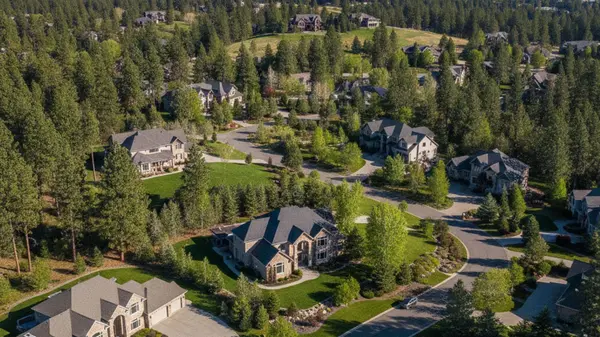
Moving to Bend, Oregon: The High Desert Dream vs. Reality
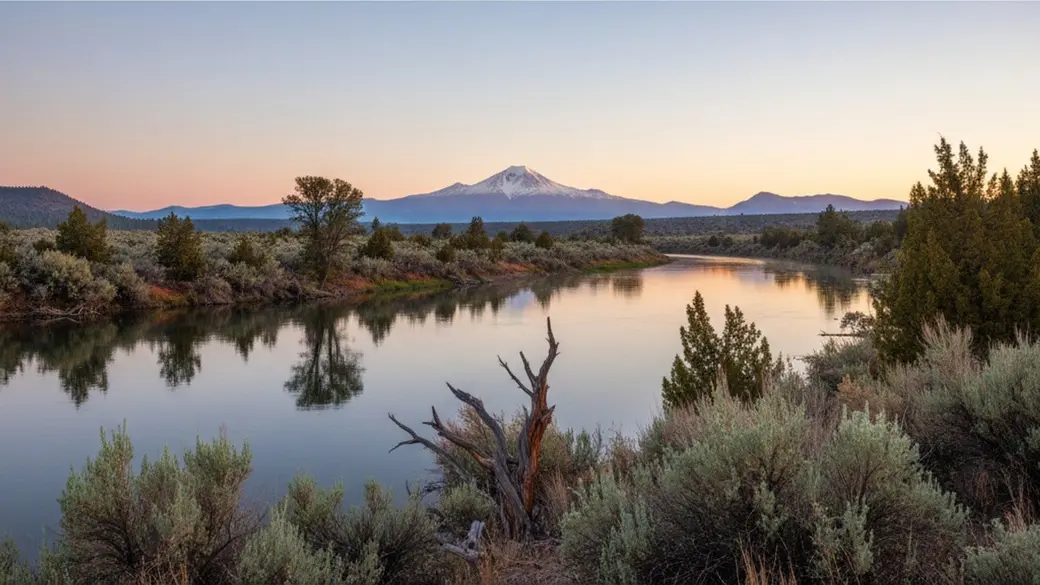
You’ve likely seen the Instagram photos: a golden retriever jumping into the Deschutes River, a snowy peak framing a craft brewery, or a mountain biker kicking up dust on a perfect single-track trail. It looks like paradise. And for many of us who call Central Oregon home, it absolutely is. But if you are thinking about moving to Bend, Oregon, you need to look past the postcard moments and understand the logistics of life in the High Desert.
It’s not just about "300 days of sunshine" anymore. The secret is out, and the town has experienced significant growing pains over the last decade. While the population explosion has stabilized a bit—hovering around 107,000 residents as we head through 2026—the cost of entry remains high. Bend is a world-class place to live, but you need to budget for the "lifestyle premium" and prepare for an environment that is as rugged as it is beautiful.
Living in Bend: Is it Worth the Hype?
Let’s start with the big question I get asked over coffee constantly: "Is it really worth it?" The answer depends entirely on what you value most. If your life revolves around the outdoors, the answer is usually a resounding yes.
The Pros are obvious. You have unmatched access to nature. Mt. Bachelor is roughly 30 minutes from your driveway, and the Deschutes River winds right through town. Unlike the rainy gloom of the Willamette Valley, we get actual sun in the winter. Plus, there is no sales tax in Oregon, which takes a little sting out of big purchases.
The Cons, however, are real. We are geographically isolated; it is a three-hour drive over mountain passes to get to the nearest major metro (Portland). If you aren't working remotely or in healthcare, the local job market can be limited and wages haven't quite caught up to housing costs. You also have to deal with "tourist season," where roundabouts get clogged and trailheads fill up by 8:00 AM.
The overall vibe here is incredibly casual. We have one of the highest dog ownership rates in the country, so expect to see pups everywhere from the bank to the pub. It’s also an "early-to-bed, early-to-rise" town. This isn't a nightlife hub; people are usually asleep by 10:00 PM because they’re hitting the slopes or the trails at sunrise.
Cost of Living in Bend: The 2026 Reality Check
This is where the rubber meets the road. Many people fall in love with the scenery and then get sticker shock when they look at the Bend Oregon real estate market 2026 numbers.
The Housing Market is the primary driver of our high cost of living. As of January 2026, the median home price is hovering between $675,000 and $679,000. While inventory has improved slightly compared to the pandemic frenzy, it is still a competitive market. If you are coming from the Bay Area or Seattle, this might look like a discount. If you are moving from the Midwest or Southern Oregon, it will look incredibly expensive.
The Rental Market is equally tight. Vacancy rates stay low, meaning you have to act fast when a listing pops up. You can expect to pay roughly $1,550/month for a standard 2-bedroom apartment, though prices climb significantly for single-family homes with fenced yards.
Locals often refer to this as the "Sunshine Tax." Our housing costs are nearly 100% higher than the national average, even though other expenses like groceries and utilities are closer to national norms. When you run your numbers, make sure you account for this disparity.
Does Moving to Bend Make You Sick? (Altitude & Smoke)
It sounds dramatic, but "Does living here make you sick?" is a valid question. The High Desert environment is harsh, and it takes the body time to adjust.
Altitude is the first hurdle. Bend sits at 3,623 feet. While you likely won’t get acute mountain sickness, transplants from sea level often deal with headaches, dry skin, and fatigue for the first few weeks. Dehydration is common, and alcohol hits you much harder here than it does at the beach. You have to drink more water than you think you need.
Then there is the Wildfire Smoke, which we now reluctantly call the "fifth season." Late summer (usually August and September) brings a risk of smoke blowing in from fires across the West. In bad years, we can see AQI spikes over 150, making it hazardous to exercise outdoors. Most residents now view HEPA air filters and N95 masks as essential household items.
Finally, there are the allergies. If you move here in the spring, you will meet the Juniper tree. Juniper pollen explodes in a yellow dust that coats cars and causes significant respiratory issues for many people.
Safest Neighborhoods & Where to Live
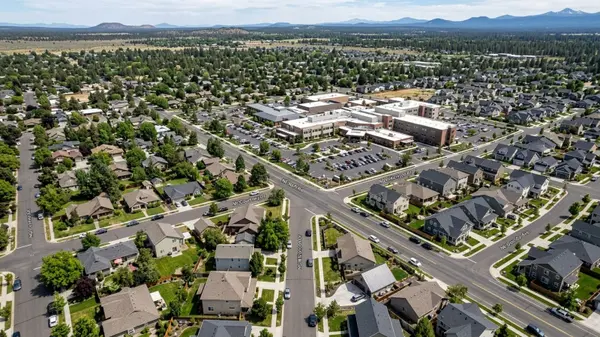
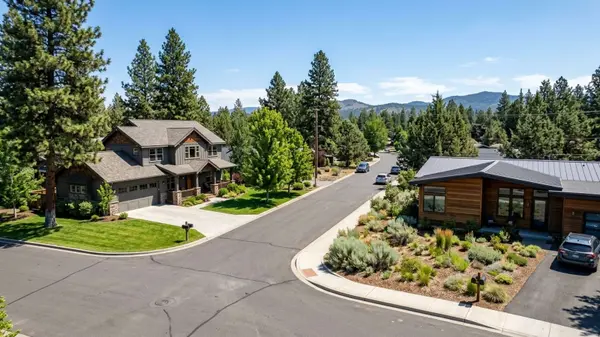
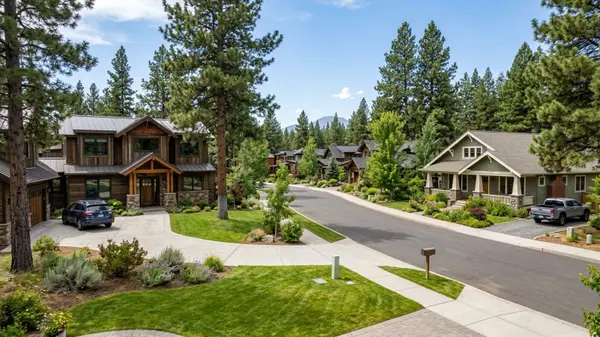
Bend is divided by the river and the parkway, creating distinct zones that offer different lifestyles. When looking for homes for sale in Bend, consider how you want to spend your weekends.
-
Westside (Galveston/Newport): This is the "classic" Bend experience. It is highly walkable to breweries, coffee shops, and Drake Park. The homes have historic charm, but you pay a premium for the location.
-
Northwest Crossing (NWX): A master-planned community popular with remote workers. It has a mixed-use design with its own restaurants and shops, giving it a polished, suburban feel.
-
Old Mill District: If you prefer condo living or low-maintenance townhomes, this is a great spot. You are walking distance to the amphitheater, the river, and major shopping.
-
Eastside (Boyd Acres/Larkspur): This area offers the best value per square foot. You generally get newer construction, larger lots, and more space for your toys (RVs, boats), though it is less walkable than the Westside.
Regarding safety, Bend is statistically very safe. The violent crime rate is very low (approx. 0.18%), roughly 1 in 591 people. The main issue here is property crime, specifically bike theft. It is common enough that locals never leave expensive bikes unlocked on a car rack overnight. Overall, Bend is safer than 75% of U.S. cities.
When to Move & Winter Logistics
Timing your relocation can save you a lot of headaches. The best time to move is generally Late Spring (May/June) or Early Fall (September/October). This helps you avoid the risk of snowstorms during the drive and keeps you out of the peak summer tourist traffic.
Don't underestimate the winter here. It is not just rain like the Portland metro area. We get snow in town, and the mountain passes (Government Camp or Santiam) require vigilance. During winter months, chains or traction tires are legally required to be in your vehicle when crossing the passes.
In town, the city plows the main arteries (like 3rd Street and the Parkway), but residential side streets often stay packed with snow and ice for weeks. While you don't need a monster truck, an All-Wheel Drive (AWD) vehicle is highly recommended for navigating the roundabouts safely in January.
Schools and Education
For those moving with students, the Bend-La Pine School District is the 5th largest in Oregon, covering a massive geographic area. There is a strong emphasis on outdoor education in many local curriculums. For higher education, we have Central Oregon Community College (COCC) on the hill, and the OSU-Cascades campus is steadily growing into a full four-year university presence near the Old Mill.
Frequently Asked Questions
Why is moving to Bend Oregon so hard?
It is primarily due to the housing shortage and high demand. Inventory for both buyers and renters is tight, and homes often receive multiple offers. Combining high interest rates with a competitive market makes the logistics of securing housing the most difficult part of the move.
Is living in Bend Oregon expensive?
Yes, the cost of living index is roughly 133 (with the national average being 100). The "Housing Index" sits near 200, meaning housing is double the national norm. While utilities are reasonable, the cost of shelter drives the overall expense up significantly.
What is the "Bend Crud" or sickness?
This is a local term often used to describe the respiratory irritation caused by the dry air, altitude, and seasonal allergies. It can also refer to the "Juniper Hay Fever" that hits hard in the spring. Staying hydrated and using humidifiers helps mitigate it.
How much snow does Bend Oregon get?
In town, the average is roughly 20 to 30 inches per year, but it varies wildly. Some winters are mild; others see "Snowmageddon" events where we get feet of snow in a week. Mt. Bachelor, just up the road, measures its snowfall in feet, often exceeding 400 inches a season.
Is Bend safe for families?
Statistically, yes. The violent crime rate is exceptionally low compared to national averages. The community focuses heavily on parks and outdoor recreation, and there are abundant youth programs, though parents should be aware of property crime risks like theft from unlocked vehicles.
Categories
Recent Posts