Bend, OR vs Portland: Comparing Housing Markets in 2026
Oregon gives you two genuinely different lives to choose from. Portland is the state's largest metro - dense, established, with the infrastructure to match. If you are considering living in Bend, Oregon, you will find a high-desert city built around outdoor recreation and an historic downtown. They're not really competing for the same buyer, but plenty of people find themselves weighing one against the other before committing.
If that's you, the conversation comes down to housing costs, property taxes, and how you actually plan to spend your days. Inventory and prices have shifted in both markets heading into 2026, so it's worth taking a hard look at what your money gets you in each place.
Housing Market and Current Home Prices
These two cities don't operate on the same tier. Portland carries a large volume of homes spread across dozens of distinct neighborhoods, which gives buyers real options at multiple price points. Bend's market is smaller and faster - demand tied to the outdoor lifestyle keeps it that way.
Recent MLS data puts Bend at about 609 active listings, a 3.4-month supply. Properties there are moving in roughly 21 days, so if something catches your eye, you don't have a lot of time to think it over.
Comparing Median Home Prices
The median sale price in Bend is around $778,000. Well-priced homes attract multiple offers regularly, and about 21% of local listings sell above asking.
Portland's median sits lower - between $523,000 and $545,000. That gap is meaningful. A budget that puts you in a starter home in Bend could get you something considerably larger on the Portland side.
Property Types and Local Architecture
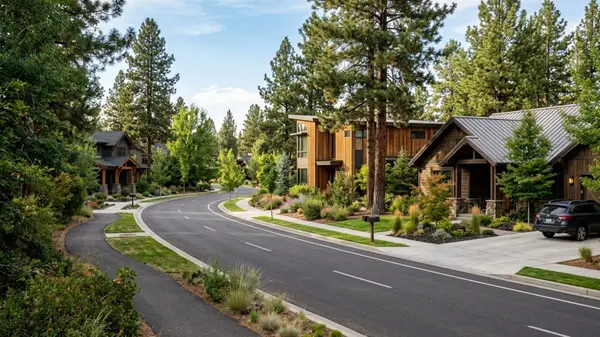
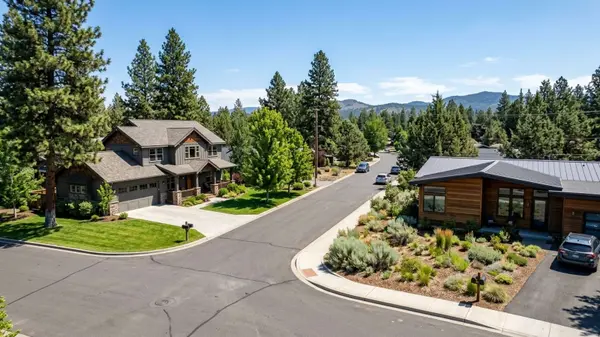
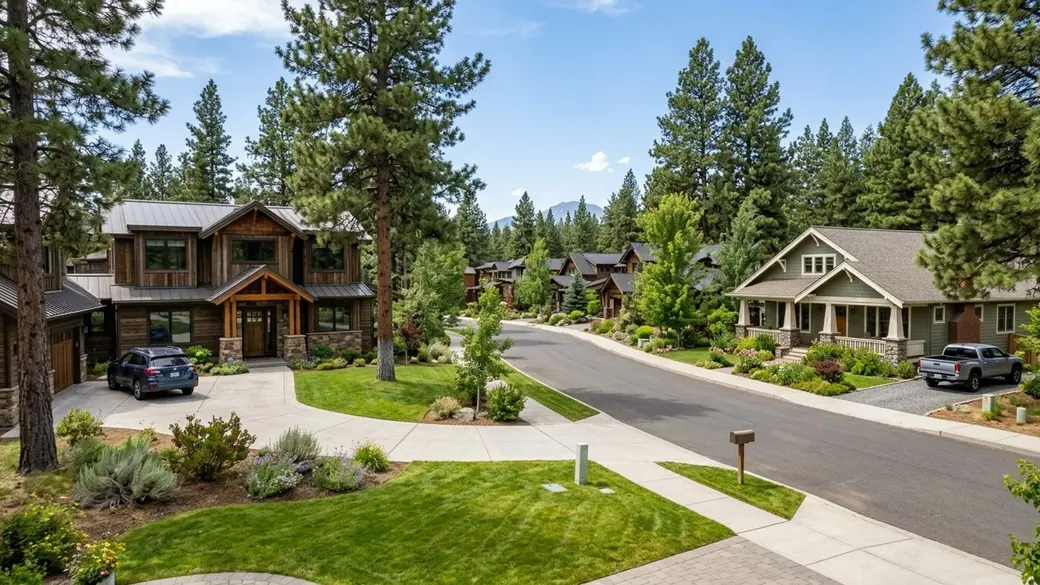
Bend's housing stock is a mix of newer construction, modern mountain homes, and historic craftsman bungalows near the city center. Natural wood and stone show up constantly - the architecture tends to lean into the landscape rather than ignore it.
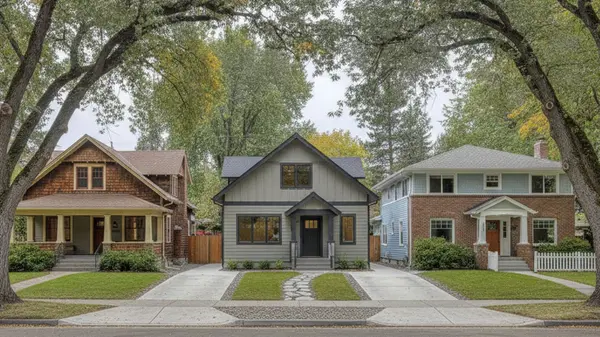
Portland is a different story entirely. Its established neighborhoods are loaded with historic architecture - foursquare, Victorian, mid-century modern - along with a substantial inventory of urban condos. If character and variety matter to you, Portland's housing stock delivers both.
Breaking Down the Cost of Living
Price per square foot is only part of what you'll spend every month. Property taxes, utilities, and daily expenses all factor in, and that's where these two cities start to diverge in ways that aren't immediately obvious from a listing sheet.
One thing that doesn't change between them: Oregon has no state sales tax, so everyday retail costs are lower in both cities compared to most states. The gap in monthly budgets comes from local tax rates and utilities.
Property Tax Differences
Bend residents generally come out ahead on property taxes. The median effective rate there is about 0.60%, well below the Oregon state median of 0.87%. A typical annual tax bill in Bend runs around $4,273, with rates by ZIP code ranging from 0.56% to 0.61% - relatively tight band.
Portland's median effective rate is roughly 1.08%, and it's much less predictable. Rates across the Portland area range from 0.78% up to 1.81% depending on the ZIP code. That's a wide swing, and it's exactly why you should pull the specific tax history on any Portland home before you get too attached to it.
Everyday Expenses and State Taxes
Wherever you land in Oregon, you're subject to the same state income tax brackets - that doesn't change based on city. Groceries and utilities vary slightly between Bend and Portland, but neither difference is dramatic.
The real variable in your monthly budget is the combination of mortgage payment and local property taxes. Everything else is noise by comparison.
Commuting, Transit, and Infrastructure
Daily life in a mid-sized high-desert city looks nothing like daily life in the state's largest metro, and it's worth being clear-eyed about that before you move.
Bend's average commute runs about 15 to 16 minutes - well below the national average of 26 minutes. That's a genuine quality-of-life difference for most people, and it's one of the first things Bend residents mention.
Public Transit Options
Bend's public transit is Cascades East Transit (CET), operating fixed-route bus service out of Hawthorne Station as the main hub. CET also runs regional connectors to Redmond, Sisters, and La Pine, plus dial-a-ride options for those who need them.
Portland's regional network is a different scale entirely - light rail and buses built to move a much larger population. If you currently rely on transit to get around, that adjustment to Bend's system is something to think through honestly before you commit.
Major Highways and Airport Access
U.S. Highway 97 is Bend's main north-south artery, and the intersection at Empire Avenue and Highway 97 is one of the busiest points in the city, handling over 60,000 vehicles daily. U.S. Highway 20 adds another major route for cross-state travel.
For flights, Bend residents use Redmond Municipal Airport (Roberts Field), about a 20 to 30-minute drive from most Bend neighborhoods.
Frequently Asked Questions
How do median home prices in Bend compare to Portland right now?
Bend is more expensive. The median sale price in Bend is around $778,000. Portland's median sits between $523,000 and $545,000.
What is the best way to time selling a house in Portland while buying in Bend?
It depends on your finances and your risk tolerance. Homes in Bend are selling in roughly 21 days, which means you need to either have your Portland home under contract or secure bridge financing before you make an offer - not after.
Which neighborhoods in Bend offer a walkable lifestyle similar to Portland?
The historic downtown area is where buyers focused on walkability tend to look in Bend. You'll find close access to local shops and restaurants there, though the overall scale is much smaller than what you're used to in Portland's urban neighborhoods.
Are property taxes in Bend, OR higher or lower than in the Portland metro area?
Lower. Bend's median effective property tax rate is about 0.60%. Portland's median is roughly 1.08%, and individual rates can run as high as 1.81% depending on the ZIP code.
What are the biggest hidden costs or downsides of relocating from Portland to Bend?
The housing price gap is the most significant adjustment - Bend's median is $778,000 against Portland's $523,000 to $545,000. Beyond that, buyers who currently depend on robust public transit will need to recalibrate their expectations around Bend's Cascades East Transit bus system.
Categories
Recent Posts