Exploring the West Bend, OR Area Guide: 2026 Real Estate and Lifestyle Insights
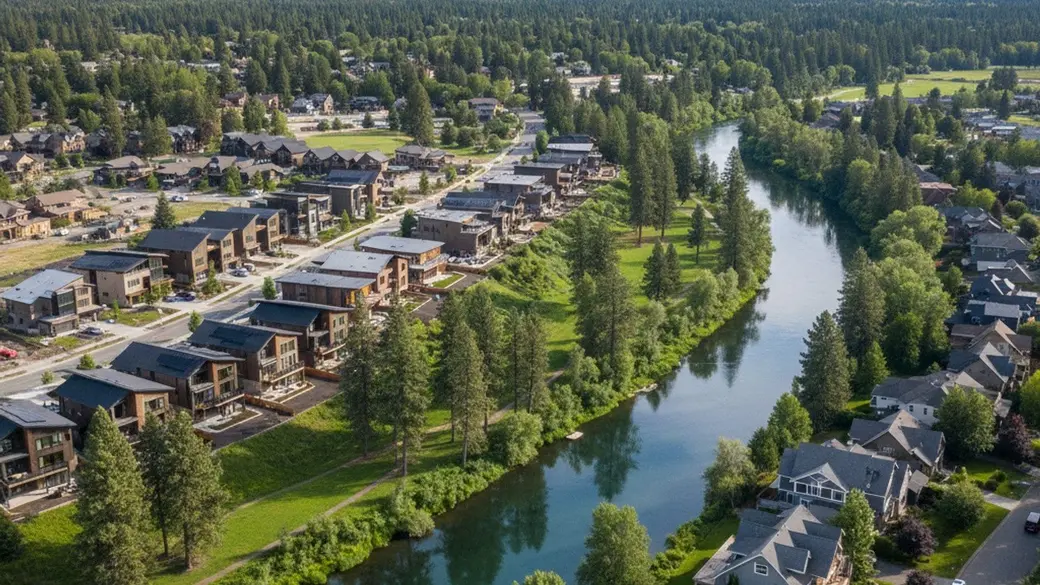
Relocating to Central Oregon requires a solid understanding of the local geography, and the western half of the city consistently draws significant interest. Buyers searching for a West Bend, OR area guide will quickly discover a region defined by its proximity to the Cascade Range and the Deschutes River. The real estate landscape here offers a distinct mix of historic character and structured, modern development.
Navigating this market requires moving beyond basic neighborhood maps to understand the specific pricing and infrastructure factors at play in 2026. The western side of the river operates with its own distinct inventory levels and property values compared to the rest of Deschutes County. Exploring these neighborhoods provides a clear picture of what it takes to secure a home in one of the highest-demand sectors of the local market.
Living on the Westside: A Snapshot of West Bend, Oregon
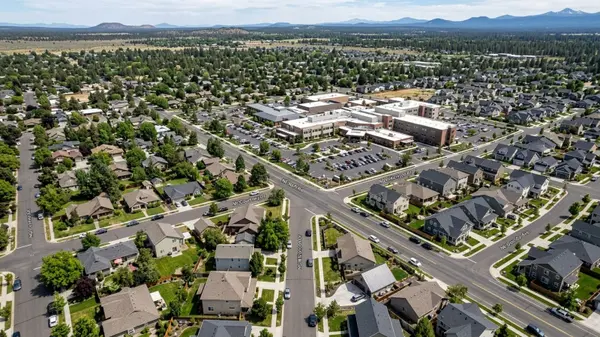
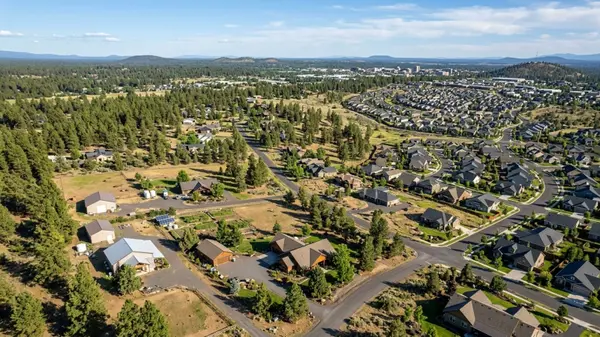
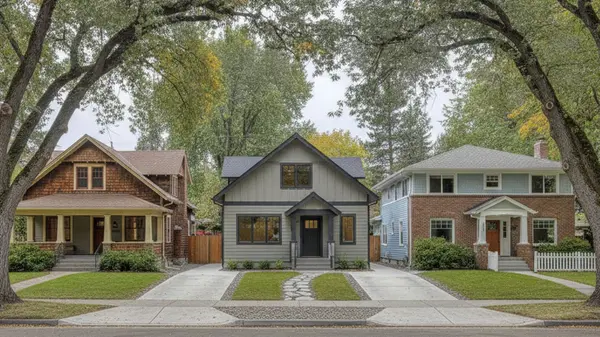
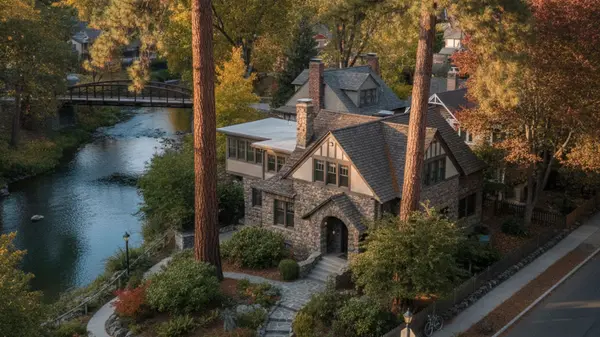
The geographic area situated west of the Deschutes River is frequently targeted by prospective buyers looking for immediate access to both nature and established commercial districts. This sector of the city blends historic riverfront properties with expansive, newer master-planned communities. The layout of the Westside inherently connects residential streets with major outdoor corridors.
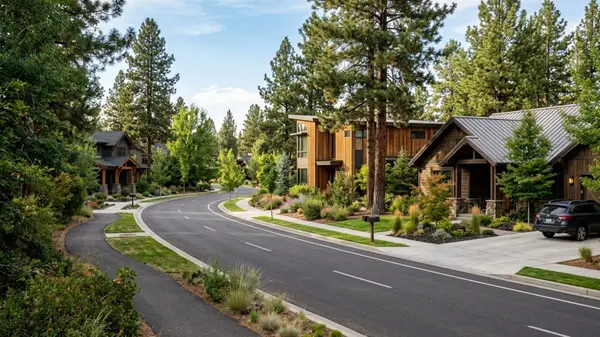
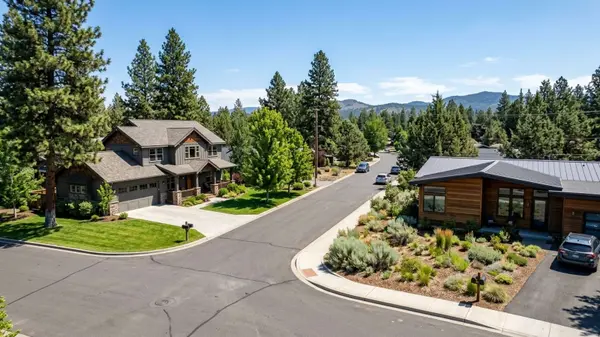
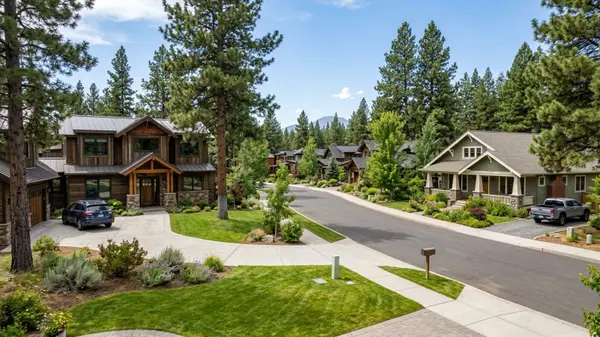
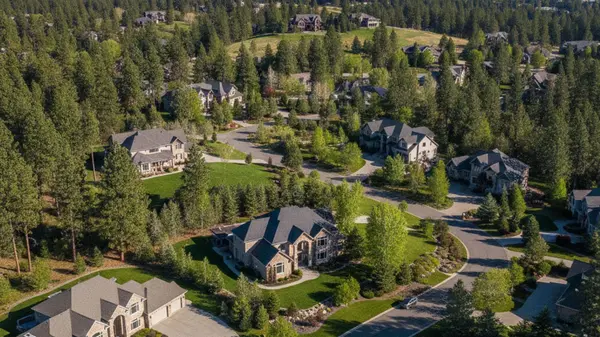
Neighborhoods like Northwest Crossing and Discovery West represent the structured, modern side of West Bend living. These developments are intentionally designed to integrate seamlessly with older, tree-lined streets closer to the downtown core. For buyers, securing a property here means prioritizing walkable access to local businesses while remaining just minutes from the Deschutes National Forest.
Real Estate Market Trends and Property Values
The Spring 2026 market correction has shaped how properties move across Central Oregon, but the Westside maintains a distinct premium. While overall median sales prices in the city sit around $725,000, western neighborhoods consistently command higher figures. It is common to see homes in this sector trading between $890,000 and well over $1,100,000 depending on the exact location and lot size.
Despite an increase in active inventory across Deschutes County this year, multiple-offer scenarios for well-priced homes west of the river remain common. The River West neighborhood currently shows median home values of approximately $890,000. Meanwhile, elevated locations like Summit West and Awbrey Butte routinely see median values exceeding $1,100,000 due to their larger lots and mountain views.
Property Types and New Developments
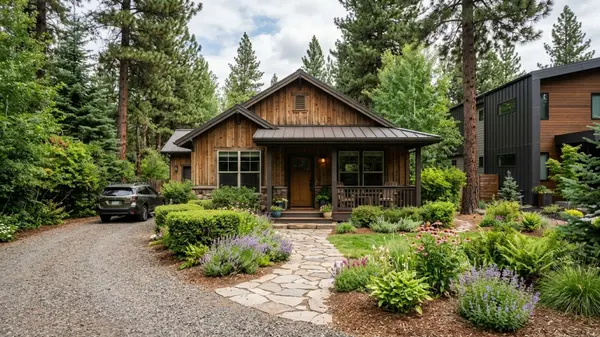
The available housing stock on the Westside is diverse, ranging from traditional single-family homes to higher-density options like cottage clusters and townhomes. Buyers will also find a selection of luxury condominiums, particularly near the Old Mill District and the riverfront. This variety allows different types of investors and buyers to find properties that match their maintenance preferences and budgets.
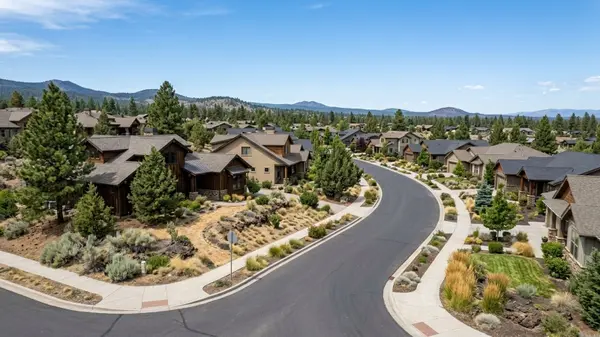
Newer developments such as Discovery West and Northwest Crossing continue to add fresh inventory to the market. These newer subdivisions operate under strict design guidelines and active HOA structures to maintain a cohesive architectural style. Purchasing in these planned communities requires buyers to carefully review the governing documents before closing.
Commercial Amenities: The Galveston and Newport Corridors
Daily conveniences and local businesses on the Westside are heavily concentrated along the Galveston Avenue and Newport Avenue corridors. These main commercial arteries are highly walkable and bikeable, featuring dedicated lanes and pedestrian crosswalks. Residents living near these streets benefit from immediate access to established local dining, independent coffee shops, and grocery stores.
The commercial landscape here is deeply integrated into the residential grid, meaning a local brewery or bakery is often just a few blocks from a single-family home. Beyond the immediate neighborhood corridors, residents are positioned exceptionally close to the Old Mill District and Downtown Bend. These larger commercial hubs provide extensive retail options, professional services, and additional dining venues along the Deschutes River.
Outdoor Recreation: Parks, Trails, and Mountain Access
Outdoor spaces are heavily integrated into the layout of West Bend, providing residents with immediate access to extensive trail networks. The area features multiple access points to the Deschutes River Trail, alongside close proximity to the iconic Drake Park. Community parks located directly within the western neighborhoods, such as Discovery Park and Shevlin Park, offer hundreds of acres of natural space and maintained paths.
For buyers prioritizing winter sports and summer mountain biking, the route to the Cascade Range is incredibly direct. Century Drive serves as the primary artery connecting the Westside directly to Mt. Bachelor, which sits approximately 22 miles away. Under normal driving conditions, residents can expect a drive time of 30 to 40 minutes to reach the mountain base.
Schools Serving the West Bend District
Educational facilities on the Westside include a mix of public and private institutions integrated directly into the residential neighborhoods. These campuses vary in physical size and standard program offerings, serving students across different grade levels. Buyers frequently review the assigned attendance zones when evaluating specific subdivisions.
The public school boundaries for this sector of the city include several established campuses. The primary facilities located in or assigned to the western neighborhoods include:
-
William E. Miller Elementary and High Lakes Elementary, which serve the primary grade levels for much of the Northwest Crossing and Awbrey Butte areas.
-
Cascade Middle School and Pacific Crest Middle School, handling the intermediate grades with expansive athletic fields and track facilities.
-
Summit High School, which serves the older student population and is situated on a large campus near the city limits.
Commute Times and Transportation Routes
Navigating in and out of the western neighborhoods involves understanding the local traffic patterns, particularly around key roundabouts and river crossings. During peak morning and evening hours, the bridges connecting the Westside to the central and eastern parts of the city experience concentrated vehicle flow. Buyers should test their specific commute routes during these peak times to gauge daily drive times accurately.
Traveling to major local employment hubs on the Eastside, such as St. Charles Medical Center, requires a cross-town trip of approximately 3.8 to 4.5 miles. Depending on the time of day and cross-town traffic - especially near the central roundabouts - this drive generally takes 10 to 15 minutes. For those utilizing public transit, Cascades East Transit provides fixed routes through the area, including Hawthorne Station connections and the seasonal Mt. Bachelor ski shuttle operating from the Bend Park & Ride.
Frequently Asked Questions About West Bend
Are short-term rentals allowed in all West Bend neighborhoods?
Short-term rentals are heavily regulated in Bend and are not permitted in all western neighborhoods. The city strictly enforces density limits and licensing requirements, and many master-planned communities like Northwest Crossing have HOA rules that ban them entirely. Buyers looking to invest in a vacation rental must verify both municipal zoning codes and specific subdivision regulations before purchasing.
Is the Eastside or Westside of Bend better for real estate investment?
The choice between the two depends entirely on your investment budget and target property type. The Westside commands higher median prices around $890,000 to $1,100,000, offering strong historical appreciation and proximity to the Cascade Range. The Eastside generally offers lower entry price points and larger lot sizes, which appeals to a different segment of the market.
Which West Bend neighborhood is the most walkable?
The grid streets immediately surrounding the Galveston and Newport corridors offer the highest level of traditional walkability. Residents in the River West neighborhood can easily walk to grocery stores, coffee shops, and dining within a few blocks. Master-planned areas like Northwest Crossing also feature highly walkable, self-contained commercial centers integrated directly into the residential design.
Categories
Recent Posts