Mountain View Bend, OR Area Guide: Navigating the 2026 Housing Market
Central Oregon real estate continues to evolve, and buyers looking at the east side of Bend often focus on the Mountain View area. This established residential sector offers a clear alternative to the higher-priced developments closer to the Deschutes River.
Navigating this market requires a solid understanding of local property values, essential infrastructure, and commuting patterns. This guide provides objective data on what to expect when evaluating homes in Mountain View in early 2026.
Overview of the Mountain View Neighborhood in Bend
Situated on the east side of Bend, the Mountain View neighborhood occupies a distinct geographic footprint within Deschutes County. The area is generally bounded by Highway 20 to the south and Butler Market Road to the northern edge.
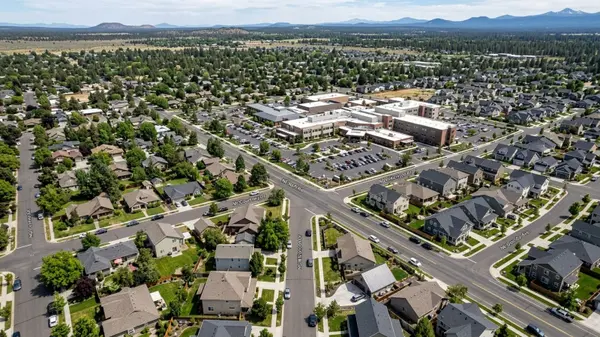
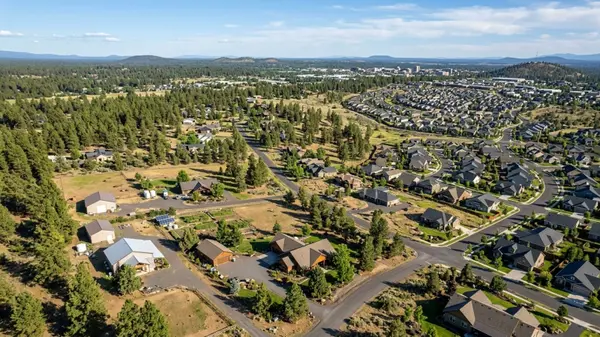
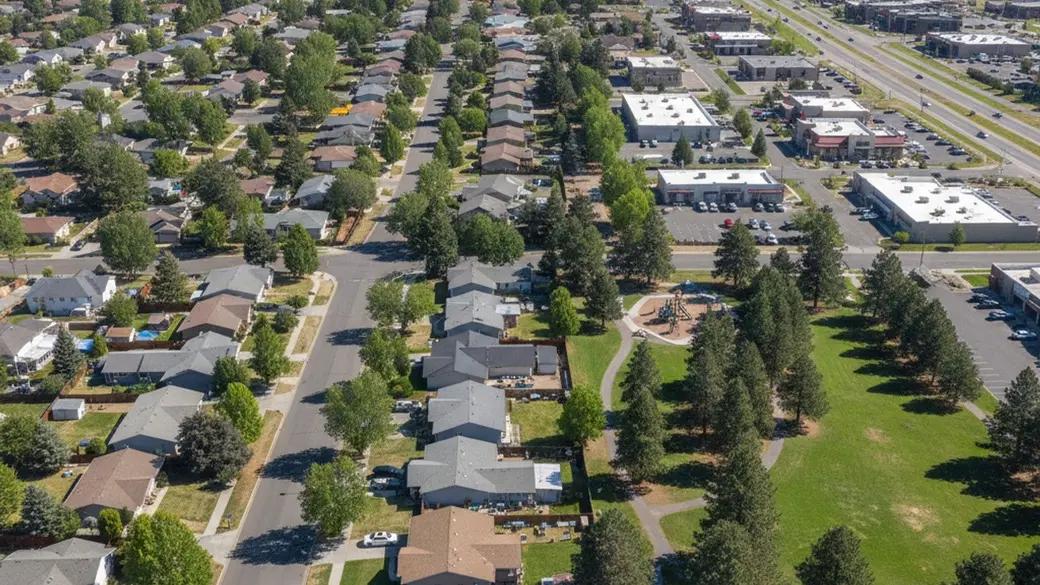
This section of the city blends extensive residential zoning with significant commercial development along its primary arterial routes. Buyers will find a mix of established subdivisions and newer construction projects woven throughout the street grid.
Compared to downtown Bend, this eastern sector provides a more suburban layout with wider streets and larger commercial footprints. The location allows residents to access the broader Central Oregon region without navigating the congestion of the city center.
Current Real Estate Market and Housing Inventory
The 2026 real estate market in Mountain View shows a steady balancing of buyer demand and available inventory. Single-family homes in this sector typically range from approximately $600,000 to $850,000, depending on the age and condition of the property.
Historical data from last year showed rapid price escalations, but current trends indicate a stabilization in days on market. Homes priced accurately are going under contract in roughly three to four weeks.
For buyers, this stabilization translates directly into improved negotiating power. Sellers are now more receptive to standard contingencies, meaning purchasers do not necessarily have to waive inspections to secure a property.
Property Types and Typical Lot Sizes
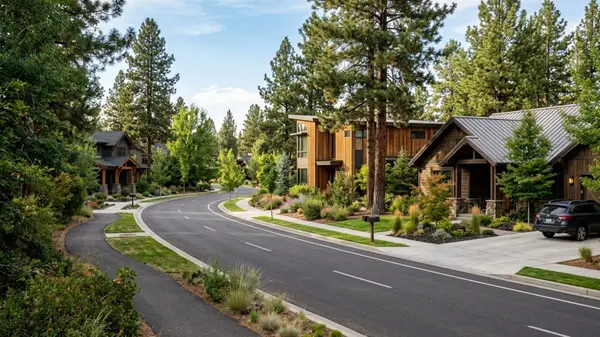
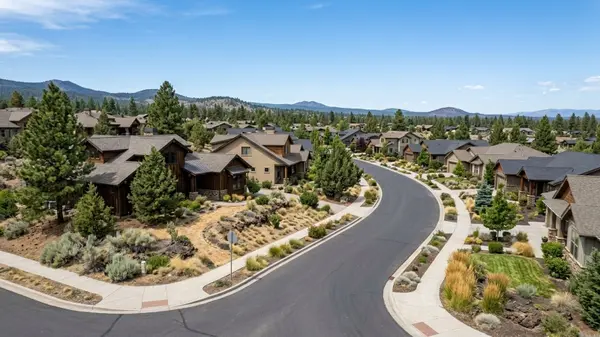
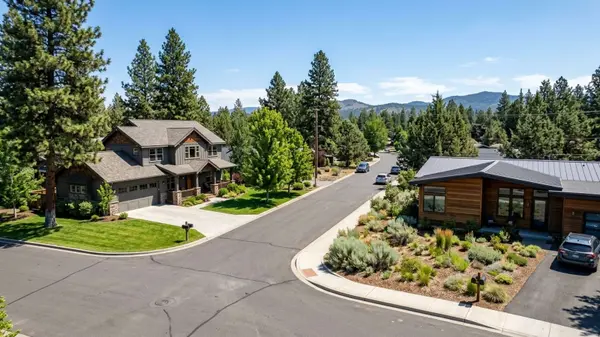
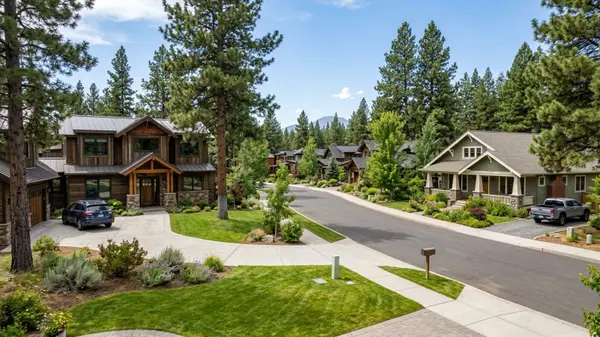
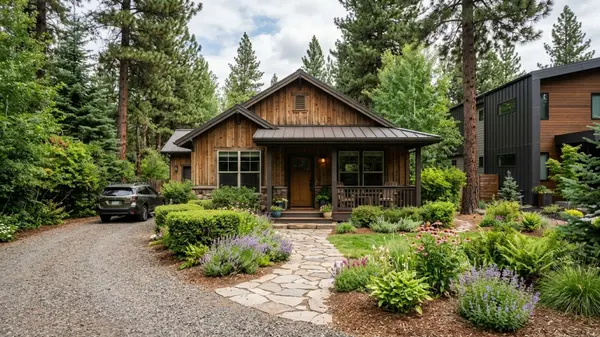
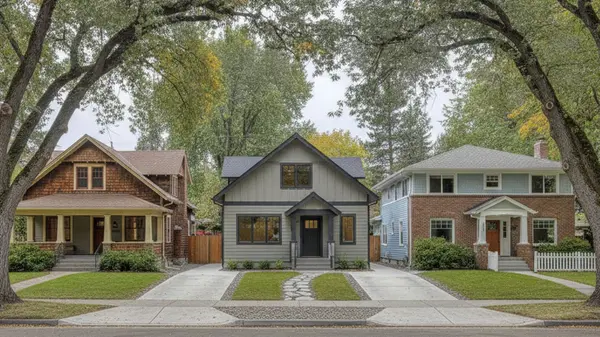
The architectural mix throughout Mountain View spans several decades of development. Older subdivisions feature 1970s ranch-style houses on parcels often exceeding a quarter of an acre.
In contrast, newer construction phases include contemporary two-story homes and townhouses built on higher-density lots. These attached townhouses offer a lower market entry point, frequently pricing near the $500,000 mark.
Proximity to Commercial Infrastructure and Healthcare
Mountain View integrates heavy commercial infrastructure directly into its southern and western boundaries. Highway 20 serves as the primary commercial corridor, hosting a dense concentration of retail centers, grocery stores, and local breweries.
Residents do not need to cross into the western half of the city for daily necessities. Essential services, automotive repair, and large-scale hardware stores are all located within a short drive from the residential subdivisions.
The strategic placement of these commercial zones creates a distinct separation between quiet residential streets and high-traffic retail areas. Buyers prioritizing immediate access to amenities will find this layout highly functional.
St. Charles Medical Center and the Forum Shopping Center
St. Charles Medical Center - Bend is the largest hospital in Central Oregon and anchors the healthcare infrastructure of the neighborhood. The facility's massive footprint drives consistent housing demand from medical professionals seeking short commutes.
Just south of the hospital campus sits the Forum Shopping Center, which serves as the primary retail hub for the east side. This complex provides access to major grocery chains, big-box retailers, and multiple dining options.
Parks, Recreation, and Outdoor Amenities
Access to outdoor recreation is a foundational element of the Bend lifestyle, and Mountain View maintains several dedicated municipal parks. The city has invested in maintaining these green spaces to serve the surrounding residential blocks.
These recreational sites offer objective utility for residents, featuring everything from paved walking paths to structured athletic courts. Buyers evaluating the area will find three primary parks distributed throughout the neighborhood.
The primary municipal parks serving the Mountain View area are distributed evenly across the residential zones. Buyers evaluating the neighborhood will find the following key recreational spaces:
-
Mountain View Park: Features expansive open lawns, paved walking trails, and separate age-specific playground structures.
-
Al Moody Park: Includes a play garden with a train engine structure, a wood-fiber fitness loop, and a full basketball court.
-
Providence Park: Tucked within a residential subdivision, offering open green space, a playground, and trail connections.
Educational Facilities: Bend-La Pine Schools
Public education in this sector of the city falls under the jurisdiction of the Bend-La Pine Schools district. The boundary lines dictate which specific facilities serve the residential addresses within the neighborhood.
Mountain View High School is the most prominent educational facility located directly within the area. The campus includes extensive athletic fields and serves a large portion of the eastern Bend population.
Younger students in the standard feeder pattern typically attend Ensworth Elementary before transitioning to Pilot Butte Middle School. Buyers should always verify exact boundary lines with the district, as zoning can shift with new residential developments.
Transportation Routes and Commuting Options
Navigating to and from the Mountain View area heavily relies on the major arterial roads bordering the neighborhood. Highway 20 provides the primary east-west vehicle access, while also connecting drivers directly to US Route 97.
Driving from Mountain View to downtown Bend typically takes 10 to 15 minutes under normal traffic conditions. Reaching the Old Mill District requires a similar timeframe, making the commute highly manageable for those working in the city center.
For public transportation, residents have access to the Cascades East Transit system. CET operates fixed routes along the major commercial corridors, providing an alternative to personal vehicle use.
The straightforward grid of the arterial roads gives buyers a predictable daily commute. Avoiding the congestion of the river crossings during peak hours is a significant logistical advantage for east-side residents.
Frequently Asked Questions
Are there HOA fees in the Mountain View neighborhood?
Homeowner association costs vary significantly depending on the specific subdivision. Older 1970s developments often have no active HOA, while newer construction phases typically require monthly or annual dues to maintain shared infrastructure.
How long is the commute from Mountain View to downtown Bend?
The drive from this eastern neighborhood to the downtown core generally takes 10 to 15 minutes. Traffic flow along Highway 20 and Greenwood Avenue dictates the exact travel time during morning and evening rush hours.
What public transit options serve the Mountain View area?
The neighborhood is served by Cascades East Transit, commonly referred to as CET. Fixed bus routes run along the primary commercial roads, connecting the east side to the central transit hub and the broader Bend area.
Categories
Recent Posts