Moving to the High Desert: Your 2026 Central Bend, OR Area Guide
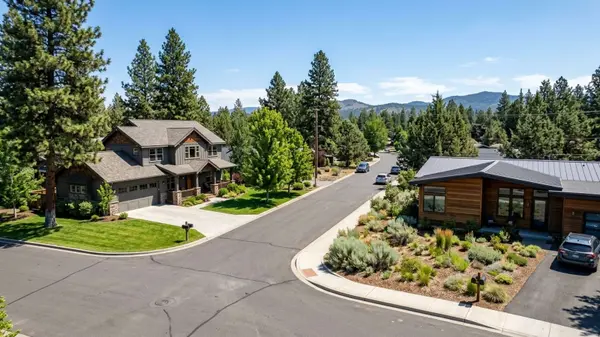
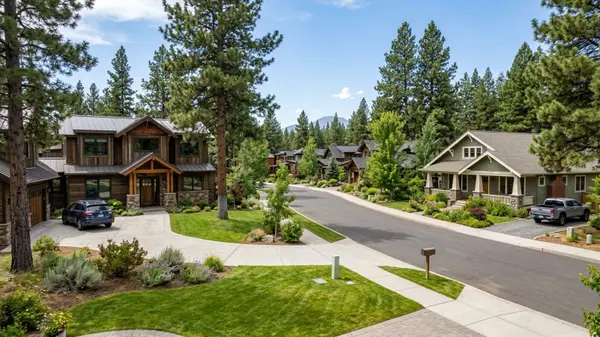
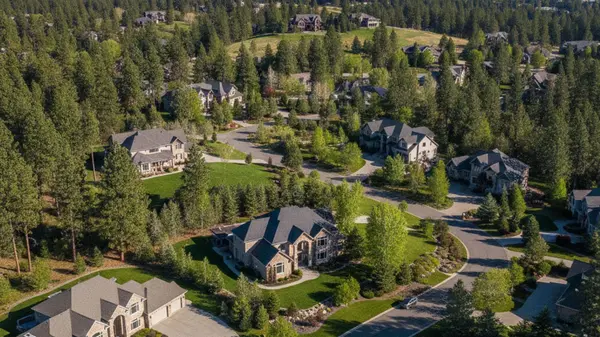
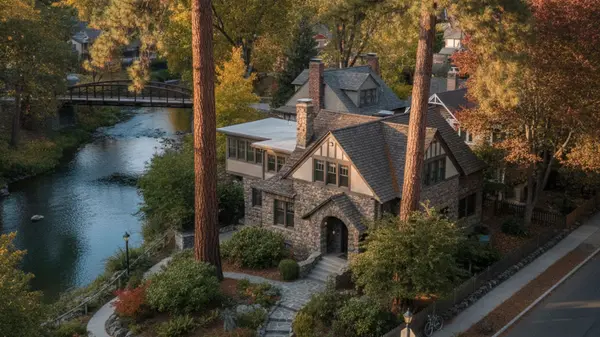
Central Bend sits at the geographic and cultural heart of Central Oregon, offering immediate access to both commercial districts and rugged outdoor recreation. The area is defined by the Deschutes River winding directly through the downtown corridor, framed by mature ponderosa pine forests and distant views of the Cascade Range. Buyers drawn to this region typically prioritize proximity to these natural features alongside everyday conveniences.
Relocating to this specific part of Deschutes County requires a clear understanding of the local housing landscape and municipal infrastructure. Property values here reflect the high demand for walkable access to trails, craft breweries, and established cultural venues like the Old Mill District. This guide explores the housing options, daily commute patterns, and essential amenities that define the local experience in 2026.
Central Bend Real Estate Market Trends
The 2026 housing market in Bend remains highly competitive, with the overall city median list price hovering around $899,000. Properties within the Central Bend boundaries consistently command a premium, frequently exceeding $1,000,000 due to their proximity to the downtown core. The average price per square foot sits near $413, reflecting both the quality of available homes and the limited inventory in these central neighborhoods.
Buyers looking at this specific geographic footprint will find that the convenience of downtown access sustains high property values regardless of broader market fluctuations. Because inventory remains tight in the center of the city, buyers must come prepared with strong financing or cash offers to secure a property. Waiting for price drops in this particular zip code is rarely a winning strategy, as demand for walkable access to the river outpaces the available housing supply.
Historic Craftsman and Mid-Century Properties
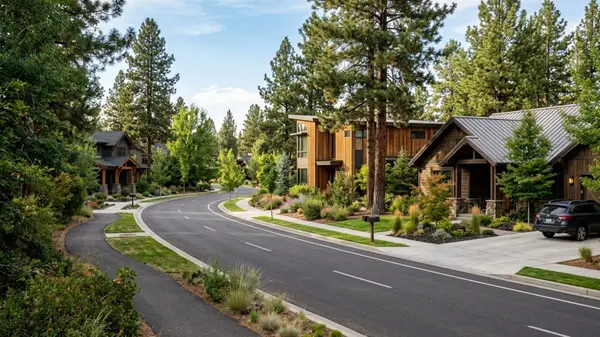
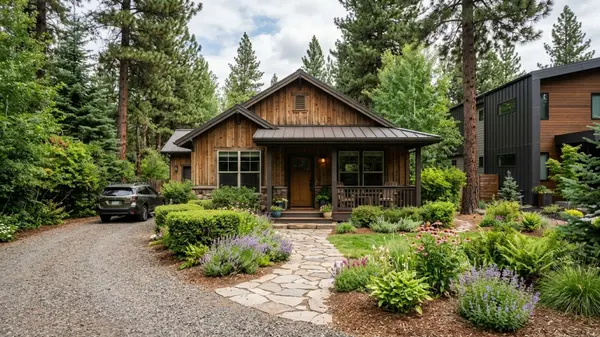
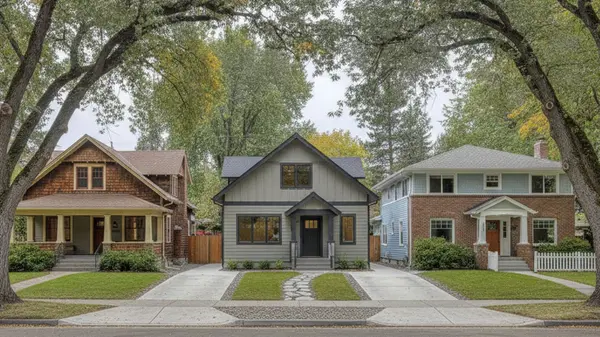
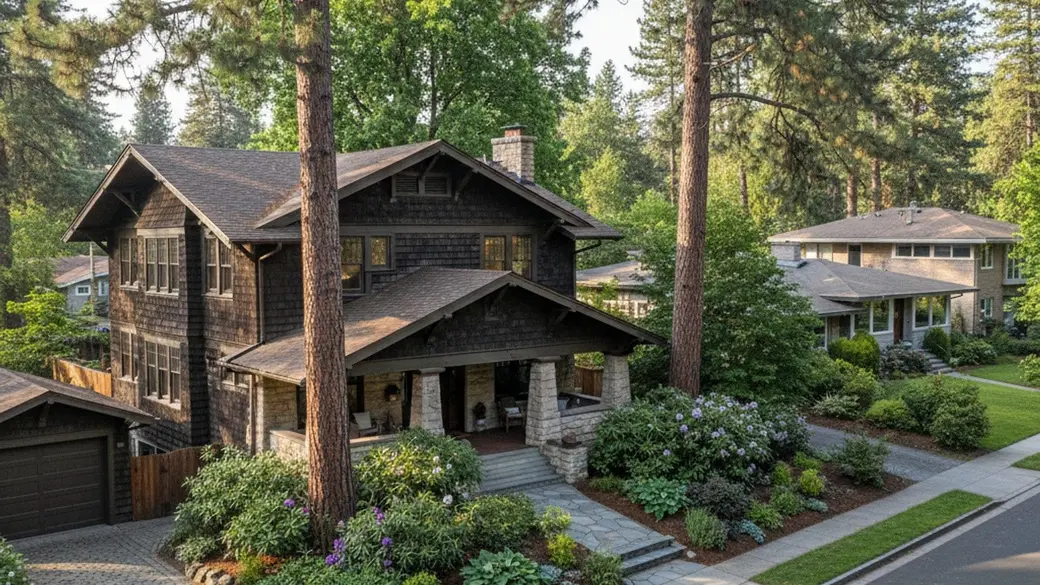
The established neighborhoods of Old Bend and River West feature a distinct collection of historic residential architecture. Buyers will frequently encounter historic craftsman bungalows dating back to the 1920s and 1930s, alongside classic mid-century layouts closer to the riverfront. These properties typically sit on smaller lots but benefit from mature landscaping, including towering ponderosa pines that provide natural shade.
Purchasing one of these older homes often means paying a premium for preserved historical charm combined with modern interior renovations. Many of these properties have been extensively updated to include energy-efficient systems while maintaining their original exterior aesthetics. The combination of historical character and immediate downtown access keeps these specific homes in high demand year-round.
Modern Townhomes and New Construction
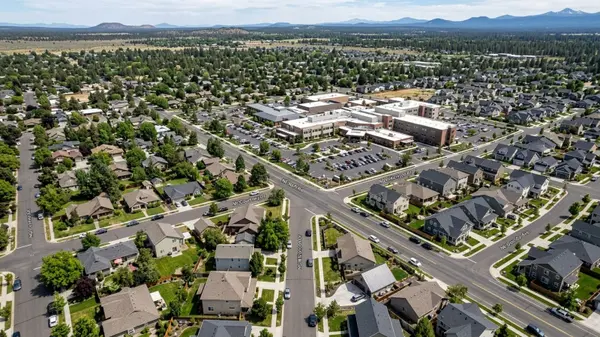
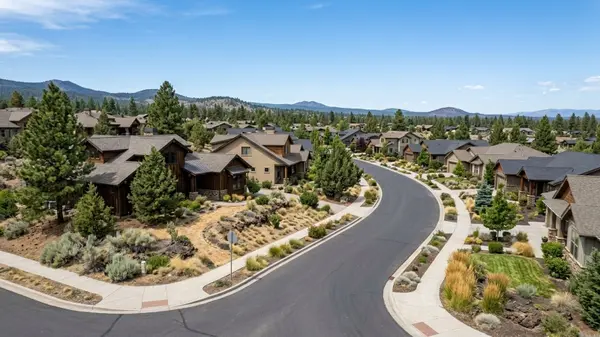
To accommodate the ongoing demand for central living, developers have introduced denser housing options near the Old Mill District. Modern townhomes and condominiums offer an alternative for buyers who want to live within walking distance of downtown without the upkeep of a historic single-family home. These newer builds emphasize energy-efficient designs and reduced square footage to maximize the use of available land.
These attached properties typically include monthly homeowner association fees ranging from $200 to $450, depending on the development and included services. The trade-off for these HOA fees is minimal exterior maintenance, allowing residents more time to enjoy the surrounding outdoor recreation. This housing segment provides a streamlined entry point into the highly sought-after central corridor.
Deschutes River Access and Local Amenities
Central Bend is largely defined by its immediate integration with the Deschutes River and the surrounding trail networks. Residents have direct access points to the Deschutes River Trail, which provides miles of maintained paths for walking, cycling, and accessing the water. During the warmer months, floating the river is a daily activity for many locals, with launch points located right within the central neighborhoods.
Beyond the natural features, the area boasts a high density of commercial amenities, including over 30 craft breweries, independent coffeehouses, and diverse dining options. The immediate walkability to these major outdoor and retail hubs makes Central Bend one of the most efficient locations for residents who want to minimize car dependence. Most daily errands and recreational outings can be accomplished on foot or by bicycle.
Drake Park and Pioneer Park Features
The municipal park system serves as the primary outdoor gathering space for the central neighborhoods. Both Drake Park and Pioneer Park anchor the downtown riverfront, offering distinct recreational infrastructure for residents. These locations frequently serve as central hubs for community events, including seasonal festivals and weekly farmers' markets.
The specific amenities within these parks cater to a variety of outdoor activities. Visitors and residents utilize these spaces heavily throughout the year. The primary features include:
-
Drake Park offers a sprawling 13-acre footprint with an outdoor stage and extensive paved walking paths.
-
Pioneer Park features a formal rose garden, open lawns, and immediate access points to the Deschutes River.
-
Both parks include maintained picnic areas and seamlessly connect to the larger municipal trail system.
Shopping and Dining in the Old Mill District
Located just south of the downtown core, the Old Mill District provides a comprehensive commercial infrastructure built directly into historic lumber mill structures. This area features a concentrated mix of national retail brands, local boutiques, and riverfront dining options. The preservation of the original mill smokestacks gives the district a distinct visual identity that honors the city's industrial past.
For most Central Bend homes, the Old Mill District is a brief 10 to 15-minute walk away. The district also houses the Hayden Homes Amphitheater, which hosts large-scale concerts and cultural events throughout the summer season. Having this level of entertainment infrastructure within walking distance adds significant objective value to the surrounding residential properties.
Central Bend Infrastructure and Commute Times
Navigating Central Bend involves a transportation network heavily reliant on multi-lane roundabouts rather than traditional traffic signals. While this roundabout-heavy infrastructure requires a brief learning curve for new arrivals, it significantly reduces idle times at intersections. Traffic flows much more consistently through the central corridors, even during peak afternoon hours.
Highway connectivity is highly efficient, with US Route 97 providing the primary north-south artery through Deschutes County. Residents in the central neighborhoods are typically a short three to five-minute drive from the nearest highway on-ramp. For broader travel, the Redmond Municipal Airport is an accessible 20-minute drive to the north, offering daily commercial flights.
Educational Institutions Serving Central Bend
The central neighborhoods are served by the Bend-La Pine School District, which operates a mix of traditional and specialized campuses. The dense concentration of established magnet schools in Central Bend provides residents with highly specialized academic tracks without requiring cross-town commutes. This localized access to diverse educational programming is a major draw for property buyers evaluating the area.
The district continues to expand its offerings to accommodate the growing population. In 2026, the newly established Deschutes River High School choice program opened its doors, adding to the existing network of established institutions. This expansion highlights the ongoing investment in local municipal infrastructure.
The primary public schools serving the immediate central geographic footprint operate under the local district. These institutions provide varied educational environments for the surrounding neighborhoods:
-
Bend Senior High School serves as a primary secondary education facility for the area.
-
Pilot Butte Middle School provides transitional grade education for the central corridor.
-
Highland Magnet at Kenwood School and Amity Creek Magnet offer specialized elementary curricula.
-
Several private academies operate directly within or adjacent to the downtown boundary.
Frequently Asked Questions About Central Bend
What is the average property tax rate in Central Bend, OR?
Property tax rates in Deschutes County generally range between 1.1% and 1.3% of the assessed property value. Because the median home price in Central Bend often exceeds $1,000,000, buyers should budget carefully for these annual carrying costs. The county reassesses values annually, but state law caps the maximum assessed value increase at 3% per year.
Are short-term vacation rentals allowed in Central Bend?
Short-term rentals are heavily restricted within the Bend city limits to preserve residential housing inventory. The municipality requires strict short-term rental licenses, and zoning laws mandate a 250-foot buffer between permitted vacation homes. Buyers looking for investment properties must verify zoning eligibility before purchasing, as existing licenses do not automatically transfer to new owners.
Categories
Recent Posts