Navigating the 2026 Market: A Complete Northwest Crossing Bend, OR Area Guide
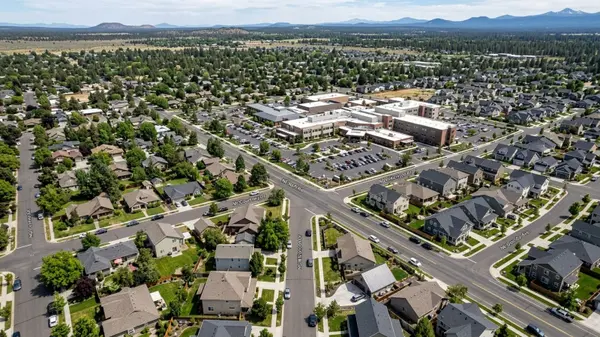
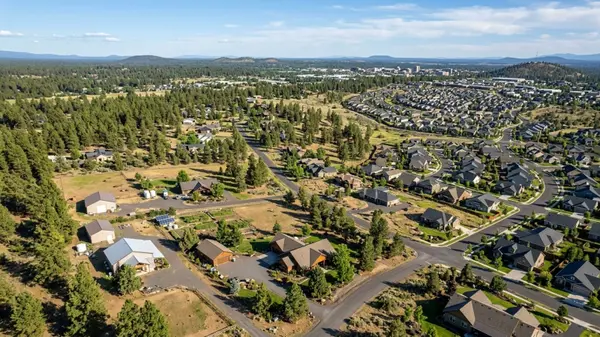
Situated on the desirable west side of Bend, Northwest Crossing stands out as a master-planned neighborhood that seamlessly blends residential living with commercial convenience. Buyers looking at the Central Oregon market often focus on this specific community for its thoughtful layout and pedestrian-focused infrastructure. The neighborhood spans roughly 486 acres and provides an integrated lifestyle where homes, parks, and local businesses are all connected by wide sidewalks.
Real estate in this area commands a premium due to the strict architectural standards and the undeniable convenience of having a town center just blocks from most front doors. Navigating the 2026 housing landscape requires a clear understanding of property types, homeowners association structures, and local amenities. This Northwest Crossing Bend, OR area guide provides the exact details buyers need to evaluate if this community matches their real estate goals.
What Makes Northwest Crossing Bend's Premier Mixed-Use Community?
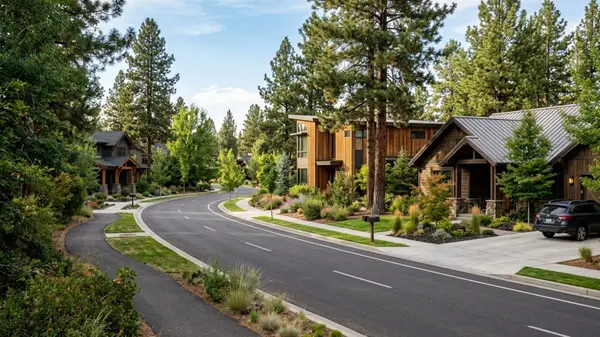
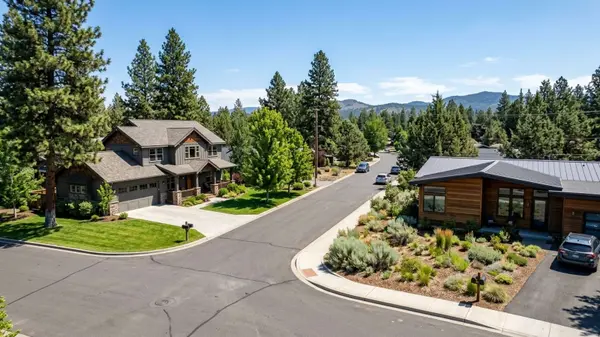
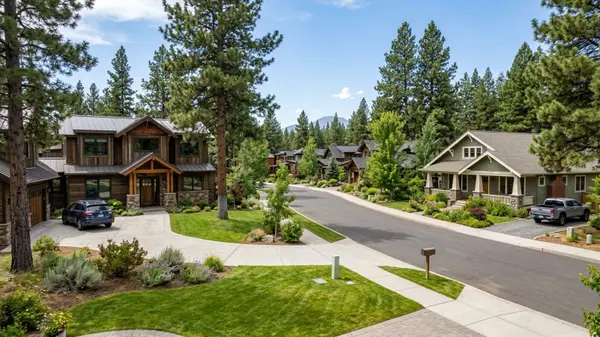
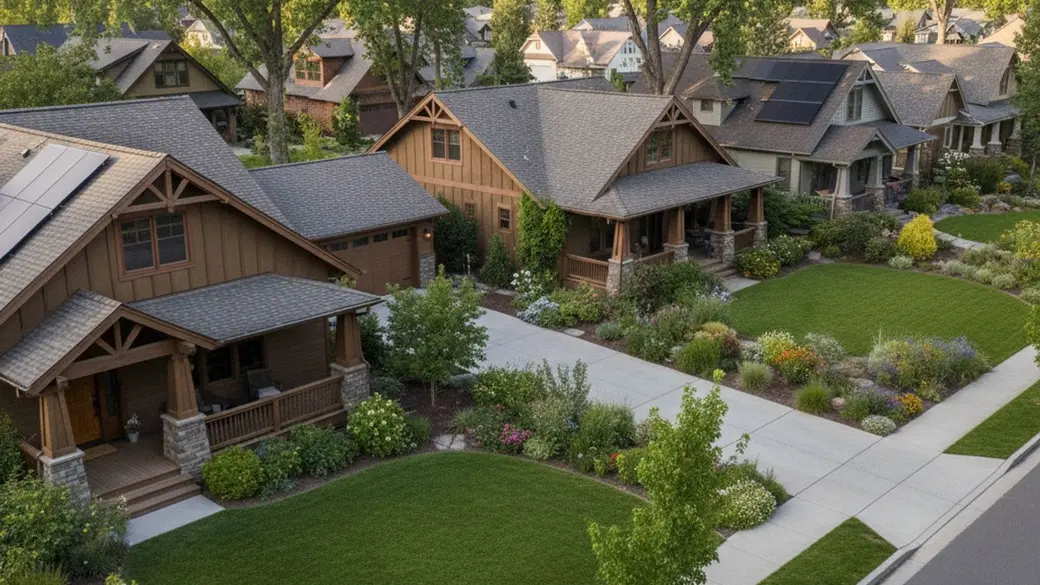
Developed by Brooks Resources, this 486-acre master-planned community relies heavily on new urbanism principles. The core philosophy of the neighborhood centers around reducing car dependence by keeping essential services and recreational spaces within a short walking distance. Tree-lined streets, wide sidewalks, and welcoming front porches encourage residents to engage with their surroundings rather than retreating behind closed garage doors.
The true value of this design is how effortlessly it integrates residential housing with a bustling central commercial district. Buyers consistently pay a premium for this mixed-use layout because it offers a highly walkable lifestyle rarely found in sprawling suburban developments. Choosing a home here means investing in a community infrastructure that prioritizes pedestrian access over high-speed vehicular traffic.
Northwest Crossing Real Estate Market and Property Types
The spring 2026 housing landscape in this neighborhood features a diverse mix of single-family homes, attached townhomes, and urban-style condos. As of March and April 2026, the median sale price sits at approximately $1,150,000. Homes currently average about 128 days on the market, though correctly priced properties with prime locations move significantly faster.
Buyers target this specific submarket because the property values remain highly insulated compared to broader Bend, OR real estate trends. While the entry price is steep, the long-term retention of value makes it a solid choice for real estate investors and primary homeowners alike. The combination of varied housing stock and strict zoning ensures the neighborhood avoids the repetitive look of standard subdivisions.
Architectural Styles and Green Building Standards
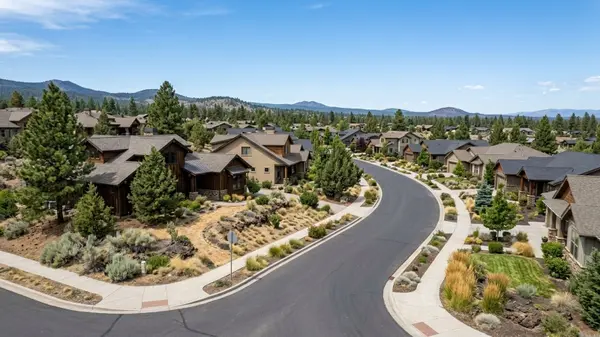
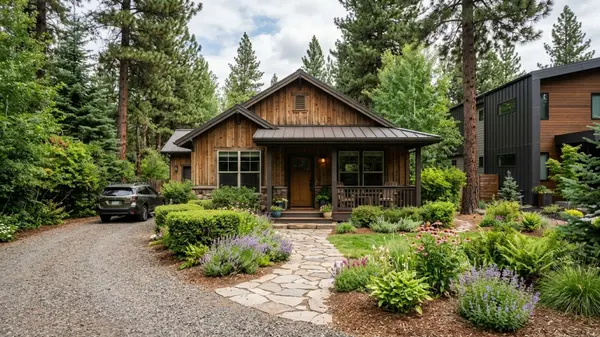
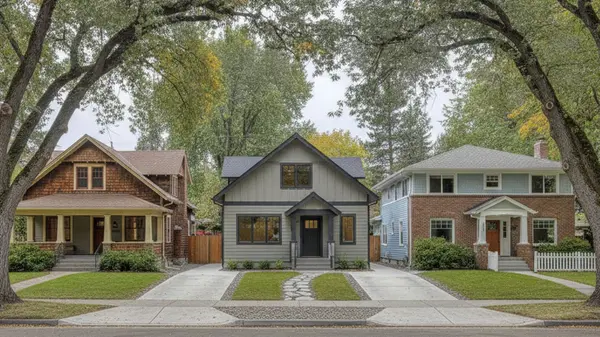
The design guidelines heavily favor American Craftsman and cottage-style architecture, bringing a timeless, classic feel to the streetscapes. Builders utilize alley-access parking layouts, ensuring that front yards and porches remain the focal point rather than driveway concrete. This layout choice significantly improves the pedestrian experience and enhances the overall curb appeal of the community.
Sustainability is a mandatory component of construction in this neighborhood. Every builder must adhere to strict green building practices, with properties required to achieve Earth Advantage certification. This commitment to energy efficiency translates directly into lower utility costs and a reduced environmental footprint for property owners.
Understanding HOA Fees and Guidelines
Every property within the neighborhood falls under the jurisdiction of the Northwest Crossing HOA. The fee structure varies significantly depending on the specific type of property you purchase. Single-family homes generally carry lower monthly dues, averaging around $70 per month for standard community upkeep.
Attached properties require a much larger monthly commitment, with condo and townhome HOA fees ranging from $600 to over $650 per month. These higher dues typically cover exterior building maintenance, comprehensive landscaping, and utilities like water and sewer. Buyers must factor these carrying costs into their monthly budgets when comparing detached homes to townhouses.
Parks, Trails, and Outdoor Recreation
Access to outdoor recreation is a foundational element of the Central Oregon lifestyle, and this neighborhood integrates green spaces directly into its residential grid. The community features 32 acres dedicated entirely to public parks, ensuring that almost every home is just a short walk from open space. A community garden also provides residents with dedicated plots for seasonal planting.
Compass Park serves as a central gathering point, featuring a circular 5-acre layout that anchors the surrounding streets. Further west, Discovery Park offers a massive 3-acre pond and expansive grassy areas that seamlessly blend into the natural high desert landscape. The proximity of these maintained parks adds tangible value to the adjacent real estate.
Beyond the manicured parks, the neighborhood provides direct trail connections to the expansive Phil's Trail mountain biking network. Outdoor enthusiasts can literally ride directly from their driveways onto hundreds of miles of world-class singletrack. This immediate access to premier recreation is a major driver of the area's ongoing real estate demand.
The Town Center: Dining, Shopping, and Local Amenities
The commercial heart of the neighborhood sits conveniently close to the residential streets, creating a true mixed-use environment. This central hub eliminates the need to drive across town for daily conveniences, dining, or specialized retail. The integration of local businesses directly into the community footprint is the defining amenity of the area.
Residents have access to a robust lineup of local culinary staples and retail shops just blocks from their homes. The commercial district features popular destinations like Sparrow Bakery for daily artisan pastries and Portello Wine Cafe for a relaxed evening atmosphere. Dining options also include La Rosa for Mexican cuisine, while The Grove marketplace houses multiple food stalls and local retail shops like Ruff Wear.
During the summer months, the award-winning Saturday Farmers Market operates right in the town center. This weekly event brings fresh regional produce and artisan goods directly to the neighborhood. Having this level of commercial vibrancy within walking distance solidifies the community's premium market position.
School Zoning for Northwest Crossing Residents
Educational zoning is a critical factor for many property buyers evaluating long-term real estate investments. Properties in this neighborhood fall under the jurisdiction of the Bend-La Pine Schools district, with campuses physically integrated into the community footprint. The objective proximity of these campuses to the residential streets heavily supports pedestrian access and daily bicycle commutes.
Students residing here are currently zoned for High Lakes Elementary, Pacific Crest Middle School, and Summit High School. The physical layout of the neighborhood allows residents to reach these campuses without navigating major highways or high-traffic intersections. This localized school zoning remains a strong anchor for property values in the immediate area.
Location Logistics and Commute Times
Geographic orientation plays a major role in the premium pricing of this west side enclave. The neighborhood connects to the rest of the city via primary access routes like Mt. Washington Drive, providing straightforward navigation. While the area feels self-contained, it maintains excellent connectivity to major employment and entertainment hubs.
Commuting to Downtown Bend is highly efficient, typically requiring only a 10-minute drive depending on daily traffic patterns. The nearby Old Mill District is equally accessible, offering an expanded array of shopping and dining options along the Deschutes River. Buyers appreciate this balance of a quiet residential setting with rapid access to urban amenities.
For winter sports enthusiasts, the location offers a distinct logistical advantage. The neighborhood sits near the Cascade Lakes Highway, making the drive to Mt. Bachelor ski resort approximately 30 to 40 minutes. This easy access to high-elevation recreation is a massive selling point for out-of-state relocators and local buyers alike.
Frequently Asked Questions about Northwest Crossing
Does Northwest Crossing have a Homeowners Association (HOA)?
Yes, all properties in the neighborhood are governed by a mandatory HOA. Single-family homes typically pay around $70 per month for standard community maintenance. Condo and townhome owners pay significantly higher dues, often exceeding $600 per month, which cover exterior upkeep and shared utilities.
Is Northwest Crossing a walkable community?
Yes, the neighborhood was explicitly designed with pedestrian infrastructure in mind. Wide sidewalks, traffic-calming street designs, and integrated trail systems connect homes directly to the central commercial district. Residents can easily access dining, parks, and retail without relying on a vehicle.
How far is Northwest Crossing from Downtown Bend?
The neighborhood is located approximately three miles west of the downtown core. Under normal traffic conditions, residents can expect a quick 10-minute drive to reach downtown amenities. Dedicated bike lanes also provide a straightforward cycling route between the two areas.
Categories
Recent Posts