Getting Around Bend, OR: A Local’s Guide to Roads, Transit, and Winter Driving
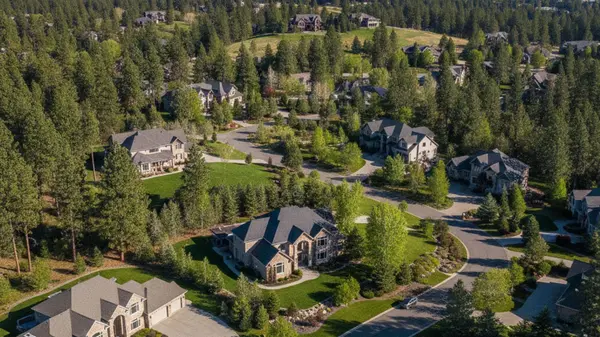
If you are thinking about making the move to Central Oregon, you’ve probably noticed that our geography is a little different than the rest of the Pacific Northwest. We aren't a dense urban grid, but we aren't exactly a rural outpost anymore, either. Navigating life in the High Desert means getting used to a city that is fairly spread out, where most residents still rely on their cars to get from the grocery store to the trailhead.
The city is roughly bisected by U.S. Route 97—known locally as "The Parkway." This is the main artery that connects the north side to the south side. While driving is the default for many, there is a growing wave of locals ditching four wheels for two, thanks to the explosion of e-bikes and improved transit options. Whether you are looking at homes for sale in Bend or just planning a visit, understanding the difference between summer cruising and winter commuting is the first step to feeling like a local.
Driving in Bend: Roundabouts & Rush Hour
Let’s be honest about the driving culture here: we don't have superhighways, but we do have circles. Lots of them.
The Roundabout Capital
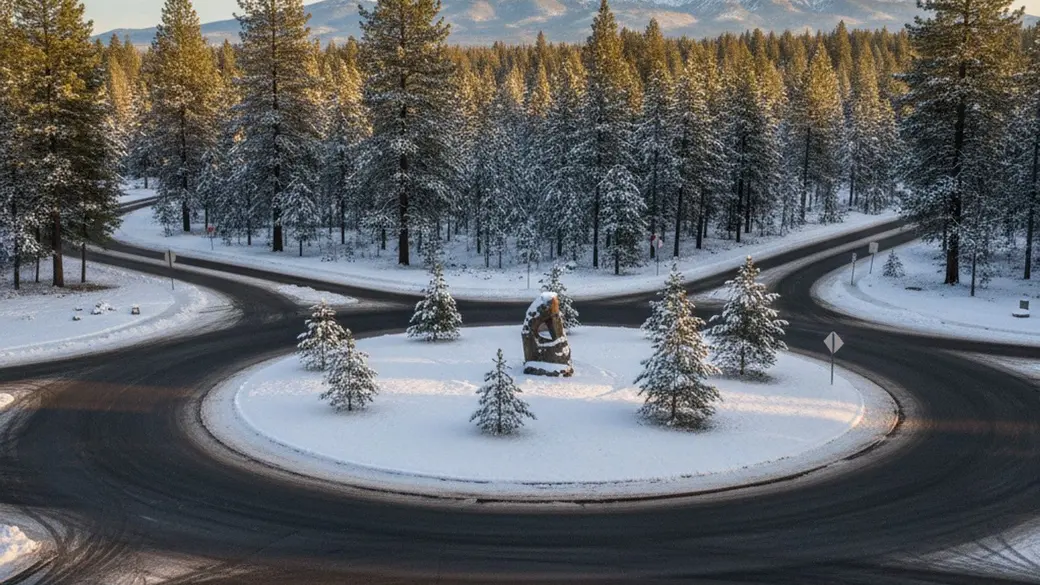
Bend is famous for its roundabouts. We use them instead of traffic lights at many major intersections to keep traffic flowing and reduce idling. If you aren't used to them, the rules are simple: yield to drivers already in the circle (coming from your left), do not stop once you are inside, and signal your exit. They might feel intimidating at first, but once you get the hang of it, you’ll appreciate not sitting at red lights across town.
Traffic Patterns and Parking
While we don't have big-city gridlock, we do have "rush hour" bottlenecks. The Parkway can get backed up between 8:00–9:00 AM and 4:00–6:00 PM. Reed Market Road is another spot that tends to get congested, especially near the train tracks. It is also worth noting that traffic volume swells significantly during July and August when tourism peaks.
As for parking, you are in luck. Unlike Portland or Seattle, parking is generally free and available throughout most of the city. The exceptions are Downtown Bend and the Old Mill District during concerts or big events, where finding a spot requires a bit of patience or a willingness to walk a few blocks.
Winter Driving & Road Conditions
For many relocators, the biggest source of anxiety is driving in the snow. Central Oregon winters are beautiful, but they demand respect and a specific set of skills.
The 'Cinder' Method: One thing that surprises newcomers is that we don't use salt on our roads. Salt is bad for our local waterways and environment. Instead, the Oregon Department of Transportation (ODOT) uses crushed volcanic rock called "cinders." This provides grit for traction. The upside is that your car won't rust out like it would in the Midwest; the downside is that cinders don't melt ice. You simply have to slow down.
Tires vs. Chains: If you live here, you need good tires. "Traction tires" are non-negotiable in winter. Most locals prefer studless winter tires (like Blizzaks) because they handle ice well without tearing up the road. While you are legally required to carry chains when crossing mountain passes from November 1 to April 1, you generally won't need to put them on just to drive to the grocery store if you have proper winter tires and 4WD/AWD.
Black Ice and Stopping: The most dangerous road condition here isn't deep snow; it's black ice. This forms quickly on bridges and in shaded areas of roundabouts. Remember the golden rule of winter driving: Four-wheel drive helps you go, but it does not help you stop. Keep an emergency kit in your trunk with a blanket, a shovel, and some kitty litter (it works great for traction if you get stuck).
Public Transportation: Cascades East Transit (CET)
If you are looking to reduce your car dependency, our regional provider is Cascades East Transit, or CET. While it isn't a 24-hour metro system, it is a reliable way to navigate the core of the city and surrounding areas.
The system revolves around Hawthorne Station, which serves as the central hub for transfers. Most routes operate Monday through Saturday. It is important to know that after a period of being fare-free, CET reintroduced fares in 2025. You can expect to pay around $2 per ride, though you should check their app or website for the most current rates and pass options.
For those living outside the city limits, CET offers "Community Connectors." These are vital links that run between Bend and neighboring towns like Redmond, La Pine, Sisters, and Prineville, making it possible to commute regionally without driving.
The Mt. Bachelor Shuttle & Recreation Transit
One of the best perks of our transit system is that you don't have to drive yourself to the ski slopes.
-
Mt. Bachelor Shuttle: This bus runs from the Park-N-Ride on Columbia Street directly to the mountain. It costs approximately $12 to $15 round trip. Taking the shuttle saves you the stress of winter driving and often bypasses the need for parking reservations at the resort.
-
Ride the River Loop: In the summer, this shuttle helps floaters get from Drake Park back to the Old Mill District, keeping wet tubers off the streets.
-
Lava Butte & Recreational Shuttles: Seasonal shuttles are also available for popular high-traffic trailheads to reduce congestion in the National Forest.
Bend as a 'Bike Town': Commuting & E-Bikes
Cycling here isn't just a weekend hobby; for many, it's a legitimate transportation strategy.
The E-Bike Explosion: Because Bend is built on the side of a volcano, we have hills. This terrain has made electric bikes incredibly popular for commuting. An e-bike flattens out the ride from the Old Mill District up to the neighborhoods on the Westside, making it a sweaty-free option for getting to work.
Safety and Routes: You will find designated bike lanes on most major arterials, though there are still some gaps in the network. If you prefer to stay away from traffic, look for "Neighborhood Greenways"—residential streets prioritized for pedestrian and bike traffic. Additionally, the Deschutes River Trail isn't just scenic; it serves as a fantastic north-south commuter corridor that keeps you completely separated from cars. If you don't own a bike yet, you can often find bike-share options like Bird scattered around town during the warmer months.
Getting In and Out: Airports & Regional Travel
When you need to leave the bubble for work or vacation, you have a few solid options that don't involve a three-hour drive to Portland.
Redmond Municipal Airport (RDM): Located just 20 minutes north of town, RDM is our local airport. It’s small, efficient, and offers direct flights to major western hubs like San Francisco, Seattle, Denver, and Los Angeles. Getting there is easy via the CET connector or private shuttle services like Groome Transportation.
Bus and Train Connections: If you prefer ground travel, we don't have a direct Amtrak train station in town. However, the High Desert POINT bus provides daily service between Hawthorne Station and the Amtrak station in Chemult, connecting you to the Coast Starlight train. For trips to Portland, the Breeze bus and Pacific Crest Bus Lines offer comfortable, Wi-Fi-equipped rides that save you the hassle of driving over the mountain passes.
Essential Permits: Sno-Parks vs. Forest Passes
Living in Central Oregon means dealing with a confusing array of parking passes. Mixing these up is the fastest way to get a ticket, so here is the breakdown:
-
Oregon Sno-Park Permit: This is REQUIRED from November 1 through April 30 at designated winter recreation areas (like Meissner, Wanoga, or Mt. Bachelor parking lots). It is a state permit.
-
Northwest Forest Pass: This is a federal permit required for parking at many National Forest trailheads during the summer season.
-
Oregon State Park Pass: This is specific to State Parks like Smith Rock and Tumalo State Park.
-
Where to buy: You can pick these up at the DMV, local outdoor shops like REI or Sunnyside Sports, and local visitor centers.
Frequently Asked Questions
Is public transportation free in Bend, Oregon?
No, public transportation is no longer free. While there was a fare-free period in the past, Cascades East Transit (CET) reintroduced fares in 2025. Expect to pay a small fee (around $2) per ride.
Do I need a car to live in Bend?
While it is possible to live here without one, especially if you live near Downtown and use an e-bike, owning a car is highly recommended. The city is spread out, and accessing the best hiking, skiing, and lakes usually requires a vehicle.
Is there Uber and Lyft in Bend?
Yes, both Uber and Lyft operate in Bend and are generally reliable for getting around town or to the airport. However, wait times can be longer than in major cities, especially late at night or during snowstorms.
Do I need chains to drive in Bend in winter?
You generally do not need chains for in-town driving if you have 4WD/AWD and quality traction tires. However, you are legally required to carry chains in your vehicle when driving on state highways and mountain passes during the winter season.
Categories
Recent Posts