Living in Bend: 2025 Guide
Living in Bend, Oregon: The High Desert Dream
If you picture Oregon as a land of endless rain, moss, and gray skies, Bend is going to surprise you. Over the last few decades, this town has transformed from a sleepy timber mill outpost into one of the most desirable outdoor destinations in the Pacific Northwest. It’s a boomtown in every sense of the word, attracting a wave of remote workers, retirees, and outdoor enthusiasts drawn to the promise of the "High Desert" lifestyle.
But living in Bend, Oregon isn't just about postcard views of the Cascades. The secret is out, and the rapid growth has brought big-city prices to this mid-sized town. Whether you are looking for a base camp for skiing and hiking or a slower pace of life with 300 days of sunshine, moving here is a lifestyle investment. The quality of life is incredible, but you need to know exactly what you are signing up for—both the breathtaking perks and the growing pains.
Pros and Cons of Living in Bend
Before we dive into the dollars and cents, it helps to look at the big picture. Life here is a specific trade-off: you are paying a premium for access to world-class nature, but you lose some of the convenience and diversity of a major metropolitan area.
The Pros:
- Access to Nature: You can ski at Mt. Bachelor in the morning and mountain bike on Phil’s Trail in the afternoon. The proximity to outdoor recreation is arguably the best in the state.
- Climate: Unlike the Willamette Valley, Bend has low humidity and distinct seasons. We get significantly more sun than Portland.
- Dog Culture: This might be the most dog-friendly town in America. From breweries to trails, your pup is welcome almost everywhere.
- Taxes: There is no state sales tax in Oregon, which takes a bit of the sting out of daily purchases.
The Cons:
- Housing Costs: Real estate prices here rival major West Coast cities, often shocking newcomers.
- Smoke Season: Wildfire smoke is a reality in late summer and can keep you indoors for days or weeks at a time.
- Isolation: You are about three hours from the nearest major airport (PDX) and big-city amenities.
- Job Market: Unless you work in healthcare or bring a remote job with you, high-paying local career options can be limited.
Cost of Living: Is Bend Expensive?
Let’s rip the band-aid off early: Yes, Bend is expensive. The cost of living here generally sits about 27% higher than the national average, and housing is the primary driver of that number. Because the city is surrounded by public lands (National Forest and BLM land), the ability for the city to sprawl outward is limited. This creates a supply-and-demand crunch that keeps prices high.
The Housing Market If you are looking to buy, prepare for competition. Median home prices tend to fluctuate between $720,000 and $760,000. Inventory is often tight, and desirable homes in walkable neighborhoods don't sit on the market long. If you aren't ready to buy, the rental market is equally competitive. You can expect to pay roughly $1,800 to $2,200 per month for an average two-bedroom apartment or small home, though luxury rentals go much higher.
Daily Expenses and Taxes While housing causes the biggest sticker shock, other expenses are slightly above average due to our geographic isolation—fuel and groceries have to be trucked over the mountains. However, the lack of sales tax helps balance the budget. Just keep in mind that Oregon has a state income tax, and property taxes in Deschutes County will be a significant line item in your monthly housing payment.
The Bend Lifestyle: Outdoors & Culture
So, why do people pay the premium? Because the lifestyle is unmatched. In Bend, the "work-hard, play-hard" cliché is actually true. It is common for the town to feel quiet on a weekday morning because half the population is out floating the Deschutes River or catching "powder flu" to ski Mt. Bachelor.
Recreation is Daily Life You don't just visit nature here; you live in it. In the summer, locals flock to the river to float through the Old Mill District. Hikers head up Pilot Butte for a sunset view of the city, and mountain bikers have hundreds of miles of singletrack just minutes from downtown.
Beer, Food, and Flannel The culture here is incredibly casual. The "Bend uniform" usually consists of flannel, jeans, and Patagonia jackets. You will rarely need a suit and tie. Social life revolves heavily around the craft beverage scene. Bend has one of the highest breweries-per-capita counts in the U.S., and the Bend Ale Trail is a local institution. If you aren't into breweries, the food cart pod culture is huge here, offering high-quality dining in open-air settings where kids can run around and neighbors can mingle.
Weather & The Reality of "Smoke Season"
One of the most common misconceptions about moving to Oregon is the weather. Bend is in the High Desert, sitting at an elevation of roughly 3,623 feet. This means we don't get the gloom of the coast. We get about 300 days of sunshine a year.
The Four Seasons
- Winter: It snows, but it’s often sunny snow. We usually get 20 to 30 inches of snow in town annually, with massive amounts up on the mountain. You will need a good winter coat and snow boots.
- Summer: Expect warm days and cool nights. Because of the altitude, the temperature drops significantly once the sun goes down, making for great sleeping weather. Humidity is essentially zero.
The Fifth Season: Smoke Potential residents must be realistic about "smoke season." From late July through September, wildfire smoke from the Cascades or California can settle into the Central Oregon bowl. Air quality can reach unhealthy levels, sometimes for weeks. It is a major consideration for anyone with respiratory issues and is simply a part of life in the American West today.
Best Neighborhoods in Bend: Westside vs. Eastside
When looking at real estate, the first question a local agent will ask is: "Westside or Eastside?" Highway 97 cuts the town in half, creating two distinct vibes (and price points).
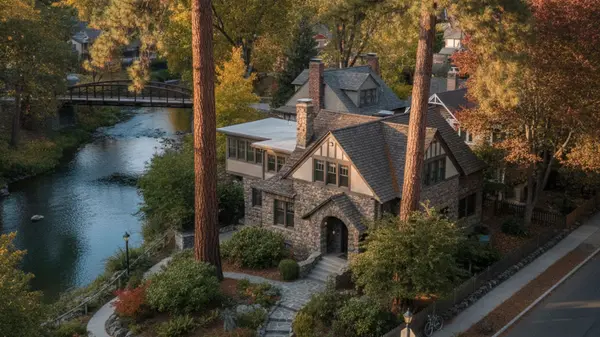
The Westside This is the area most tourists know. It includes Downtown, the Old Mill District, and master-planned communities like Northwest Crossing (NWX). It is trendy, walkable, and close to the river and trailheads. However, you pay for that convenience. Westside homes can command a 20% to 50% premium over similar houses on the other side of town.
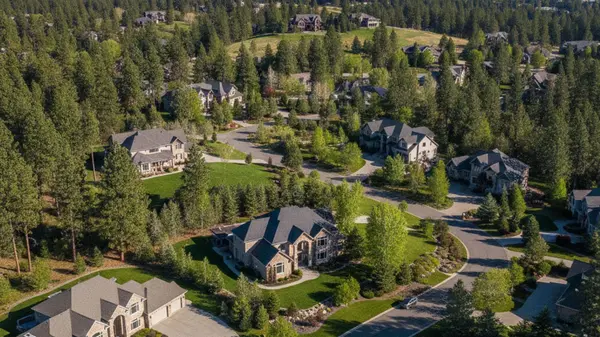
The Eastside Traditionally more affordable and suburban, the Eastside is where you get more house and land for your money. Neighborhoods like Mountain View and the Old Farm District offer larger lots and quieter streets. The amenities are catching up quickly, too, with new parks like Larkspur and plenty of food cart pods popping up, making the "Eastside stigma" a thing of the past.
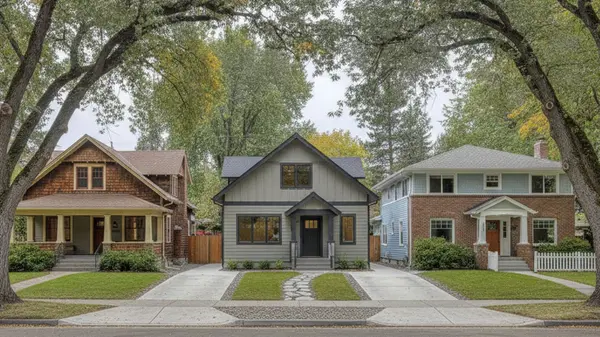
Midtown The area sandwiched between the two is often called Midtown. It’s a mix of historic bungalows and gentrifying streets. It offers great central access but can vary block-by-block in terms of noise and polish.
Job Market & Economy
If you are moving to Oregon for a career change, you should know that Bend's job market is somewhat narrow compared to Portland or Seattle. The economy is heavily driven by tourism, hospitality, and healthcare. St. Charles Health System is the largest employer in the region, followed closely by the school district and seasonal employers like Mt. Bachelor.
However, Bend has become a major hub for remote work. An estimated 12% or more of the workforce works from home, far exceeding national averages. There is also a bubbling tech and startup scene, supported by coworking spaces and a community that values innovation. Commuting is generally easy—most drives are 15 to 20 minutes—but traffic is increasing, especially at the main bridges crossing the river and the many roundabouts during rush hour.
Schools and Education
For those moving with children, the Bend-La Pine School District serves the area. It is a large district geographically, covering schools in town and in the surrounding areas. Generally, the schools here have a strong reputation with graduation rates hovering around 87%, which is solid compared to state averages. High schools like Summit, Bend High, Mountain View, and the newer Caldera High offer robust athletic and academic programs.
For higher education, OSU-Cascades is a growing four-year university campus on the Westside that is expanding its degree offerings. Central Oregon Community College (COCC) is also a fixture of the city, providing excellent two-year programs and community classes.
Bend vs. Portland vs. Eugene
If you are still weighing your options for best places to live in Oregon, here is a quick comparison:
- Bend vs. Portland: Portland is a true city with museums, opera, diverse food scenes, and traffic jams. Bend is cleaner, safer, and sunnier, but much smaller and less diverse. If you need big-city culture, choose Portland. If you want mountain access, choose Bend.
- Bend vs. Eugene: Eugene has a lush, green "valley" vibe and is a college town (University of Oregon) with a slightly more counter-culture feel. It rains significantly more in Eugene. Bend feels more like a resort town with a drier, high-altitude climate.
Tips for Moving to Bend
If you have decided to take the plunge, here are a few logistics to handle before the moving truck arrives:
- Secure Housing First: Do not arrive without a plan. The rental vacancy rate is notoriously low. If you can, try to secure a lease or close on a home before you physically move.
- Get Winter Ready: If you are coming from California or the South, you need all-season tires at a minimum. If you plan to drive over the mountain passes to the valley in winter, you are legally required to carry chains.
- Healthcare: Establish your doctors early. With the population boom, some primary care physicians and specialists have waitlists.
Is Moving to Bend Right for You?
Living in Bend offers a lifestyle that is hard to beat if you love the outdoors. You get small-town charm, big-mountain adventure, and a community that genuinely loves where they live. But that life comes with a high price tag and the reality of wildfire smoke.
If you are on the fence, come visit during the "shoulder seasons" (November or April) or even during late summer smoke season. It’s easy to fall in love with Bend on a perfect July day; seeing the city in its grittier moments will help you decide if this High Desert town is truly the right home for you.
Frequently Asked Questions About Living in Bend
Is it expensive to live in Bend, Oregon?
Yes, Bend is considered expensive, especially regarding housing costs. The median home price typically ranges between $720,000 and $760,000, and the overall cost of living is roughly 27% higher than the national average.
Does Bend Oregon get a lot of snow?
Bend gets a moderate amount of snow in town, usually averaging 20 to 30 inches per year, but it often melts within a few days due to the sunshine. However, Mt. Bachelor and the surrounding Cascade mountains get massive snowfall, making it a premier destination for winter sports.
What is the "smoke season" in Bend?
"Smoke season" refers to late summer, typically August and September, when wildfire smoke from the region can settle into Central Oregon. It can result in poor air quality that limits outdoor activities, so residents should be prepared with air purifiers and flexibility in their plans.
Is Bend Oregon a good place to raise a family?
Bend is very popular for families due to the abundance of parks, the safe atmosphere, and the proximity to nature. The Bend-La Pine School District is generally well-regarded, and neighborhoods often feature easy access to playgrounds and trails.
What are the best neighborhoods in Bend?
Popular neighborhoods depend on your budget and lifestyle preference. The Westside (including Northwest Crossing and River West) is walkable and trendy but expensive, while the Eastside (including Mountain View and Old Farm District) offers more space, larger lots, and better affordability.
Categories
Recent Posts