Investing in Bend OR Real Estate: 2026 Market Guide and Property Strategies
Investing in Bend OR real estate requires a clear understanding of a market that has fundamentally transformed over the past decade. The city has shifted from a regional manufacturing hub into a primary destination for remote workers and individuals employed in the technology sector. This steady influx of new residents has created distinct opportunities and challenges for property buyers looking at Central Oregon.
Buyers evaluating the financial viability of this market in 2026 must look beyond past pandemic-era surges. Current conditions demand a strategic approach to property selection, tenant retention, and local zoning compliance. Success in this environment relies on balancing high upfront property values with the consistent housing demand found throughout Deschutes County.
Why Investing in Bend OR Real Estate Makes Sense
Bend's housing market has matured from a rapid boomtown into a stabilizing, long-term growth environment. This transition offers a more predictable landscape for buyers focused on steady appreciation.
A significant driver of this stability is the ongoing arrival of remote workers and individuals employed in the technology sector. These individuals are drawn to the region's infrastructure and lifestyle, creating a consistent need for quality housing. The local economy supports this demographic shift by moving toward year-round employment in specialized industries.
Balancing high property values with tenant demand is the core challenge in Deschutes County today. While entry prices remain elevated compared to national averages, the long-term appreciation trends provide a strong hedge against inflation. For buyers, the clear takeaway is that Bend operates as a premier wealth-preservation market rather than a high-yield cash flow destination.
Economic Growth and Major Employers
Local economic drivers and institutions play a massive role in supporting steady population growth. The expansion of Oregon State University-Cascades into a 128-acre campus is a primary example of this institutional investment. The university aims to support 5,000 students and recently secured a $42 million bond for a health and recreation center starting in 2028.
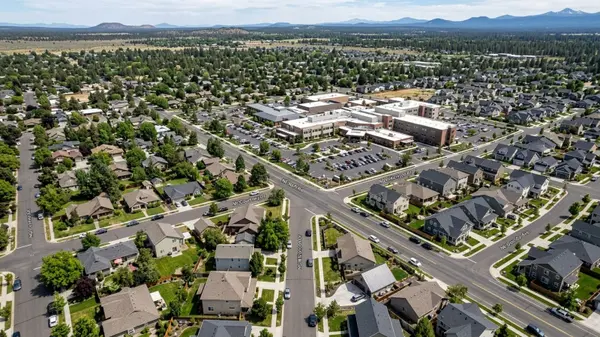
Major anchor employers like St. Charles Medical Center also provide a stable base of healthcare staff and facility employees who need housing. Local infrastructure improvements, particularly along the US-97 commuting corridor, make traveling between residential neighborhoods and these employment centers highly efficient.
Bend OR Real Estate Market Trends and Median Home Prices
Understanding current real estate data is essential for timing a purchase and negotiating effectively. The market is currently transitioning, which requires investors to be highly selective about purchase prices relative to interest rates.
In early 2026, the median home price in Bend ranges from approximately $685,000 to $725,000. While this represents a high barrier to entry, it also reflects the enduring value of Central Oregon real estate. Buyers must carefully evaluate these prices against potential rental income to ensure viable long-term returns.
When evaluating homes for sale in Bend, properties are currently spending an average of roughly 55 days on the market. This extended timeline gives buyers significant negotiation power to request repairs, ask for seller concessions, or secure a more favorable purchase price. The strategic takeaway is that investors should prioritize homes requiring minimal capital improvements to offset the high initial purchase costs.
Property Types: From Single-Family Homes to Condominiums
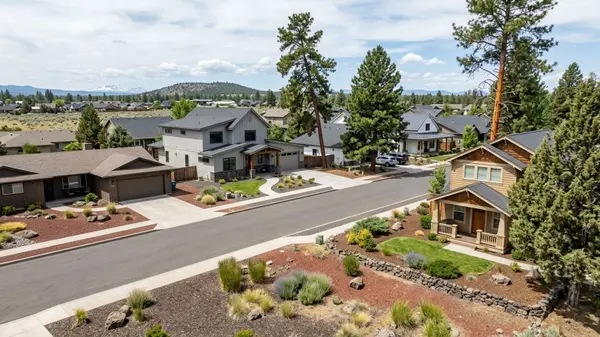
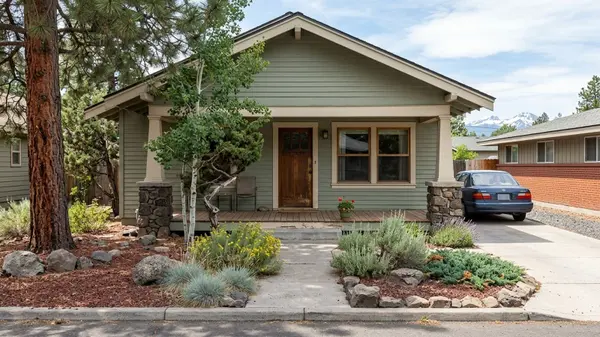
The type of investment property you choose will largely depend on its geographic location within the city. Single-family homes situated near the Deschutes River and Pilot Butte offer larger lots and appeal strongly to long-term renters seeking space. These properties typically command higher rents but require a larger initial capital outlay.
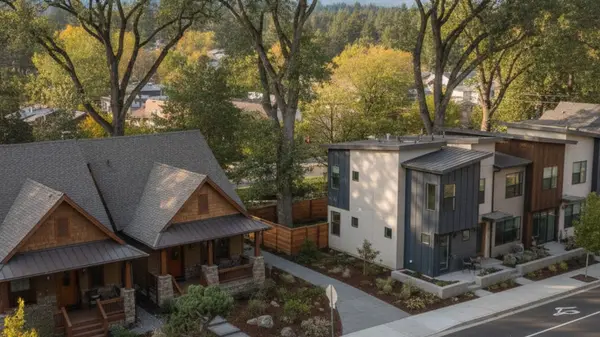
Townhomes and condominiums located closer to the Old Mill District and Downtown Bend provide denser housing options with excellent walkability. These units often attract employees working at nearby commercial centers or those utilizing the local municipal amenities. Multi-family properties, such as duplexes and triplexes, remain the most effective option for generating consistent cash flow in this high-priced market.
Navigating the Bend Oregon Rental Market
The long-term rental market landscape in Bend is currently defined by stabilizing rates and increased housing supply. Operating a profitable rental property here requires a careful approach to pricing and tenant management.
Rent growth has largely flattened out across the city over the past year. The average single-family rent sits at approximately $2,950 per month, while overall rental averages are closer to $2,495 per month. Property owners must factor these realistic revenue ceilings into their mortgage and expense calculations.
At the same time, vacancy rates for single-family homes have hovered near 12 percent in early 2026 due to new housing developments entering the market. This increased competition means property owners cannot rely on automatic annual rent increases to boost profits. The most critical takeaway for landlords is that prioritizing tenant retention through competitive pricing is far more profitable than risking turnover.
Bend Oregon Short-Term Rental Regulations and Zoning Laws
Municipal rules governing vacation rentals in Bend are notoriously strict and heavily enforced. Prospective buyers must understand these regulations completely before purchasing a property with the intent of operating a short-term rental.
The city has implemented specific zoning laws to manage the density of vacation properties in residential neighborhoods. Navigating this system requires strict adherence to local licensing and tax requirements.
-
A 500-foot buffer rule separates Type II whole-house short-term rentals in residential zones, severely limiting new permits.
-
Operators must secure both a Land Use Permit and an annual Operating License to remain compliant.
-
Owner-occupied properties renting one or two bedrooms face different, less restrictive regulations compared to whole-house rentals.
-
A 10.4 percent City Transient Room tax is applied to all short-term rental income generated within city limits.
Failing to comply with these municipal codes can result in significant fines and the revocation of operating licenses. Buyers should always verify the exact zoning designation of a property before closing the sale.
Geographical Amenities That Drive Property Value
Bend's natural environment and municipal features are the primary attractions for the region's steady population growth. These amenities directly support tenant demand and long-term property values.
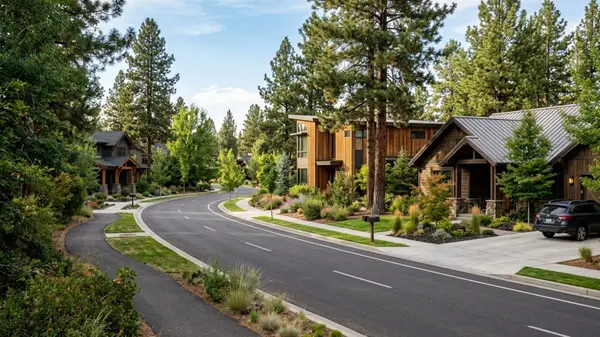
The city offers immediate proximity to world-class outdoor recreation, including the slopes of Mt. Bachelor and the scenic Cascade Lakes. Extensive local trail systems and public access points along the Deschutes River are highly sought-after features for both buyers and renters. Properties located within a short distance of these outdoor access points consistently see lower vacancy rates.
Municipal features also play a major role in sustaining real estate demand across different neighborhoods. For those considering living in Bend, the quality of local public schools within the Bend-La Pine Schools district has a strong, measurable impact on long-term property values. The definitive takeaway is that investing in properties near established trailheads or highly rated public amenities provides the best insulation against market downturns.
Frequently Asked Questions
Is Bend, Oregon a good place to invest in real estate?
Yes, it is a strong market for long-term wealth preservation and steady appreciation. The ongoing expansion of institutions like the 128-acre OSU-Cascades campus ensures consistent housing demand. Investors willing to hold properties long-term will find a stable, maturing economic landscape.
What are the downsides of investing in Bend, Oregon?
The primary downsides are high entry prices and elevated local vacancy rates. With median home prices ranging from approximately $685,000 to $725,000, achieving immediate positive cash flow is challenging. Additionally, a single-family vacancy rate near 12 percent requires landlords to be highly competitive with their rental pricing.
How do short-term rental rules impact property buyers in Bend?
Strict municipal zoning laws make it very difficult to establish new whole-house vacation rentals. The city enforces a 500-foot buffer rule between Type II short-term rentals in residential areas. Buyers must verify existing permits or look toward long-term leasing strategies instead of relying on vacation rental income.
Categories
Recent Posts