Navigating HOA Fees Bend OR: True Costs and Community Breakdown for 2026

When searching for homes for sale in Bend, understanding the full cost of ownership is just as important as finding the right floor plan. Buyers drawn to the high desert often focus on property taxes and mortgage rates, but community assessments can significantly impact your bottom line. Exploring HOA fees Bend OR reveals a wide range of costs depending on the neighborhood and property type.
These monthly or annual dues fund the maintenance of the shared infrastructure that makes Central Oregon communities function smoothly. From private road snow removal to maintaining community parks, these assessments directly support neighborhood features. Knowing exactly what you are paying for helps you budget effectively and avoid surprises at the closing table.
Average HOA Fees in Bend by Property Type
The type of home you purchase heavily dictates your ongoing association costs. High-density housing requires a different management approach than detached homes.
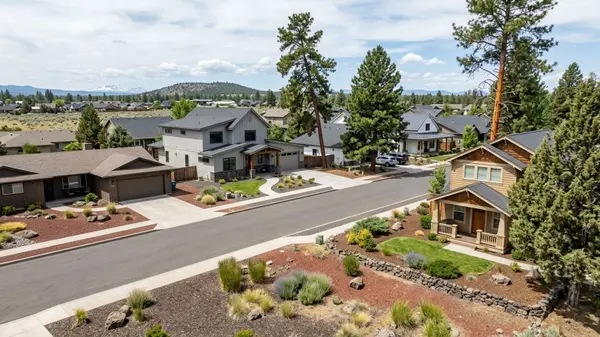
Standard single-family homes generally carry the lowest monthly burdens in the area. Homeowners usually see fees ranging from $120 to $160 per month, though many neighborhoods bill a much smaller amount on an annual basis. Because owners maintain their own roofs, siding, and insurance, the association only funds common areas.
Townhomes represent a middle ground for buyers looking for lower maintenance living. These properties typically average $200 to $450 per month, depending heavily on the shared infrastructure. If the association covers shared roofs and exterior siding, the monthly payment will naturally reflect those future replacement costs.
Condominiums carry the highest monthly assessments, typically running between $400 and $650 or more. This steeper price tag directly funds the master insurance policy required for the entire building structure. While the monthly payment looks high on paper, it offsets the cost of exterior maintenance and individual structural insurance policies.
A cheaper condo might actually cost more monthly than a slightly pricier single-family home once association dues are factored into your budget.
What Do HOA Fees Typically Cover in Bend Communities?
Central Oregon weather and geography demand specific neighborhood services that you will not find in other markets. Association fees pool resources to tackle these environmental challenges efficiently.
When reviewing your governing documents, you will find that dues cover a distinct set of local necessities. These services protect property values and maintain the aesthetic standards of the area.
-
Winter snow removal for shared private roads, community paths, and sometimes individual driveways.
-
Landscaping tasks including front yard maintenance, irrigation management, and common area upkeep.
-
Funding for recreational facilities like community pools, tennis courts, and neighborhood clubhouses.
-
Wildland-urban interface fire mitigation, including seasonal debris removal and FireWise program compliance.
Higher assessments in townhome or condo communities also absorb exterior structural maintenance. This includes long-term reserves for painting, roof replacement, and paving parking lots. Buyers should always verify the health of these reserve funds to ensure the community is actually saving for these massive projects.
A well-funded association prevents sudden special assessments when a harsh winter damages shared roads.
HOA Fee Breakdown: Top Bend Master-Planned Communities
Examining specific neighborhoods provides a realistic picture of local community costs. The differences between Bend's major master-planned developments highlight how varied these financial obligations can be.
Northwest Crossing is known for its high-density, mixed-use design and extensive community features. Townhomes and condominiums in this area generally range from $499 to $646 per month. These dues support the meticulously maintained streetscapes, alleyways, and numerous pocket parks throughout the development.
Broken Top utilizes a tiered quarterly system based on the specific property type and subdivision phase. Townhome owners pay roughly $1,242 per quarter to cover their specialized exterior maintenance and landscaping. Meanwhile, custom estate homes within the same gates range from $360 to $705 per quarter, reflecting their independent maintenance responsibilities.
Buyers must look past the neighborhood name and drill down into the specific subdivision phase to understand their true financial commitment.
How Location and Features Impact Property Values and HOA Dues
Geography plays a massive role in real estate pricing and community association budgets. Neighborhoods built around prominent natural features require specialized infrastructure management.
Properties situated near the Deschutes River often command a premium in both purchase price and monthly maintenance. Master-planned infrastructure in these areas must account for environmental protections and robust trail system upkeep. Direct access to local parks and riverfront paths requires higher HOA reserve funds to repair weather-related wear and tear.
Communities located along the primary transport routes to Mount Bachelor often incorporate heavy-duty snow clearing into their budgets. Fast, reliable snow removal is a premium service that directly increases the monthly payment for residents. This ensures the neighborhood roads remain passable during major winter storm cycles without relying solely on municipal plows.
Paying a higher monthly fee is often worth the trade-off if it guarantees reliable access to major transport routes and well-maintained trail networks.
Frequently Asked Questions
Is $500 a lot for HOA fees in Bend, Oregon?
For a detached single-family home, $500 per month is exceptionally high and unusual for the area. However, if you are purchasing a townhome or condominium, $500 per month is completely average. This amount typically covers the master insurance policy and exterior maintenance that attached properties require.
How do short-term rental restrictions work with Bend HOAs?
Most community associations strictly regulate or entirely prohibit short-term rentals within their governing documents. Even if a property sits in a city-approved zone, the CC&Rs can legally block you from operating a vacation rental. Investors must verify these specific neighborhood rules before purchasing a property intended for lodging.
How can buyers review governing documents and CC&Rs before purchasing?
Buyers typically receive a legally mandated review period to examine the CC&Rs and board of directors' minutes after an offer is accepted. You should specifically request the most recent reserve study to see if the association has enough cash for future repairs. Taking the time to read these documents prevents you from buying into a community with hidden financial liabilities.
Categories
Recent Posts