Exploring the Bend, Oregon Cost of Living in 2026
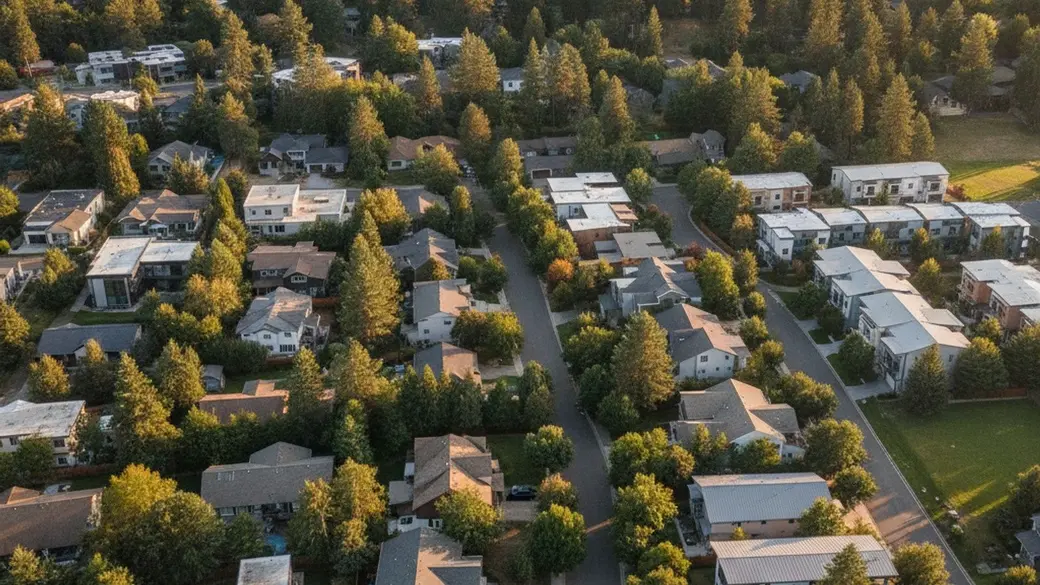
Bend's population growth has stabilized, but the financial realities of moving to Deschutes County remain a focal point for buyers. Moving to the Cascade Range means budgeting for a housing market that operates well above the national baseline.
Remote work and limited buildable land continue to shape local real estate prices this year. Buyers looking to relocate to Bend, Oregon should understand how property values, utility rates, and transportation expenses interact before making an offer on a home.
The region offers unparalleled access to outdoor recreation, but that access comes with a distinct price tag. Evaluating your budget against current local data will help you determine what kind of property you can afford in Central Oregon.
Understanding the Premium for Central Oregon Living
The overall Bend, Oregon cost of living runs about 12% higher than the national average. Everyday expenses like groceries and healthcare track relatively close to the rest of the United States, but housing costs push the local index upward.
The local economy has shifted alongside the rise of remote work incomes. Buyers moving from coastal tech hubs often find the area affordable by comparison, while those arriving from the Midwest or South should prepare for a noticeable increase in their monthly budget.
Local wages in the hospitality and service sectors have increased to keep pace with these expenses. However, buyers relying on local employment should carefully compare expected salaries against the current median rent and home prices.
Home Prices and Rent Expectations
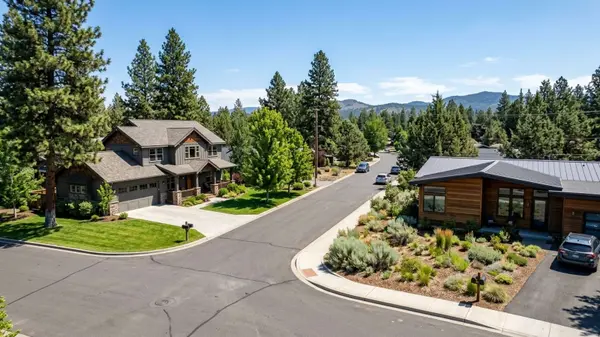
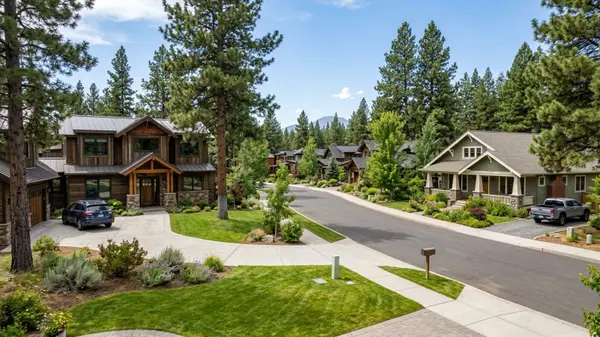
The median single-family home price in Bend currently sits between $725,000 and $795,000. Buyers will find that inventory levels fluctuate noticeably depending on the season, with the spring and early summer months bringing the most available homes to the market.
Renters face a similarly competitive environment across Deschutes County. The median rent for a standard apartment or single-family home hovers around $2,195, while a standard one-bedroom unit averages $1,595 per month.
Townhomes and condominiums offer an alternative entry point for buyers priced out of detached houses. These attached properties generally list between $450,000 and $600,000, though buyers should factor monthly HOA dues into their debt-to-income ratio.
Property insurance premiums in Deschutes County vary based on a home's proximity to forested areas. Properties located near the urban growth boundary often carry higher wildfire risk assessments, which can increase annual insurance costs. Buyers should request insurance quotes during their inspection period to avoid surprises before closing.
Westside vs. Eastside Real Estate
The Deschutes River acts as a clear dividing line for real estate pricing. Westside neighborhoods generally command a premium due to their proximity to downtown amenities, trailheads, and the route to the mountains.
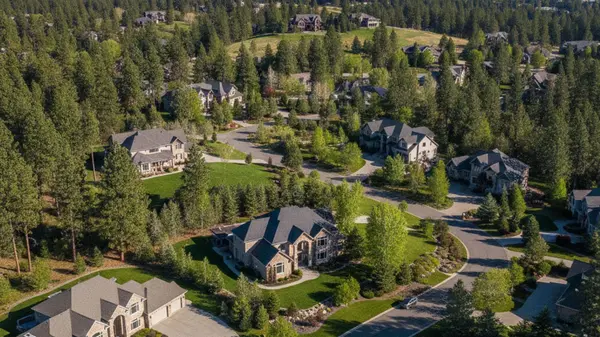
Eastside listings offer more square footage and larger lot sizes for the price. Buyers aiming to maximize their purchasing power often focus their search east of US-97, where newer subdivisions provide a variety of housing options.
New construction projects on the eastern edge of the city continue to expand the available housing pool. These developments frequently feature modern energy-efficient designs, which can help lower monthly utility bills during the winter months.
Property Taxes and State Income Tax
Oregon does not collect a state sales tax. This 0% rate offers immediate savings on large retail purchases, vehicles, and daily consumer goods, which helps offset other regional expenses.
Property owners in Deschutes County pay an effective property tax rate that typically ranges from 0.62% to 1.1% of their home's assessed value. Oregon law separates a property's assessed value from its real market value, capping how much the taxable amount can increase each year.
Because of these statewide caps, two identical houses on the same street can have different tax bills based on when they were built or last remodeled. Buyers should always ask their real estate agent to pull the specific tax history for a property rather than estimating based on the list price.
Income Tax Considerations
The state relies on income taxes to fund public services. Oregon's income tax brackets are progressive, with most middle-to-upper earners falling into the 8.75% to 9.9% range.
Buyers relocating from states with no income tax should calculate this deduction when evaluating their take-home pay. The lack of a sales tax balances the ledger for some households, but high earners will see a distinct impact on their net income.
Business owners and independent contractors should also consult with a local accountant regarding the state's corporate activity tax. Understanding these obligations ahead of time prevents unexpected tax bills during your first year of residency.
Monthly Utilities and Grocery Bills
Basic utilities in Central Oregon run between $150 and $300 per month for a standard single-family home. This estimate covers electricity, natural gas, water, and municipal sewer services.
Winters in the high desert bring freezing temperatures, pushing heating costs up from November through March. Summers remain relatively dry, but the increasing use of central air conditioning adds to July and August electricity bills.
Water bills also see a seasonal spike during the summer months due to lawn irrigation and garden maintenance. Properties with xeriscaping or native plant designs require far less water, offering a practical way to reduce monthly expenses.
Standard monthly expenses break down into several distinct categories. These figures represent averages for a typical household:
-
Electricity and gas: $90 to $150, depending on the season and home insulation.
-
Water, sewer, and garbage: $60 to $150, with summer irrigation increasing water usage.
-
Internet and cellular service: $120 to $200 combined, based on provider and data caps.
-
Groceries: $350 to $500 for an individual, or $900 to $1,300 for a four-person household.
Commuting, Gas Prices, and Public Transit
Drivers in Central Oregon currently pay between $3.50 and $4.20 per gallon for regular unleaded gasoline. The region's geographic isolation from major refineries keeps fuel prices slightly above the national average.
Commute times remain relatively short compared to major metropolitan areas, though traffic along US-97 slows down during peak afternoon hours. Many residents prioritize walkability, seeking homes near the city center to reduce their reliance on personal vehicles.
Winter driving introduces additional costs for vehicle maintenance and equipment. Residents routinely invest in dedicated snow tires or studded tires to handle icy roads from late November through March.
Air travel adds another layer to transportation budgets for frequent flyers. The Redmond Municipal Airport sits about 20 minutes north of Bend, offering direct flights to major western hubs. Ticket prices out of Redmond often carry a slight premium compared to flying out of Portland, but the convenience saves hours of driving over the mountain passes.
Cascades East Transit
The Cascades East Transit system provides public bus service throughout Bend and neighboring towns. A standard monthly pass costs between $40 and $60, offering a cost-effective alternative for daily commuters.
Routes connect major commercial hubs, medical facilities, and residential zones. The system also operates seasonal shuttle services to popular recreation areas, reducing parking congestion at local trailheads.
Fixed-route services run primarily during standard business hours, with limited weekend schedules. Buyers who plan to rely entirely on public transit should map out the nearest bus stops before committing to a specific neighborhood.
Outdoor Recreation and Local Amenities
Access to the Cascade Range represents a major draw for buyers, but seasonal recreation requires a dedicated budget. A winter season pass at Mt. Bachelor represents a substantial annual expense for skiers and snowboarders.
Summer activities offer more flexibility for residents watching their spending. The Deschutes National Forest provides hundreds of miles of hiking and mountain biking trails that require only a low-cost parking permit or are entirely free to access.
Floating the Deschutes River through the Old Mill District is a popular summer routine. While river access is free, residents often spend money on paddleboards, kayaks, and specialized gear to fully enjoy the local waterways.
Dining out in Central Oregon features prices typical of a prominent tourist destination. A standard dinner for two at a downtown restaurant generally costs between $80 and $120, excluding alcohol. Food carts provide a popular, lower-cost dining alternative, with individual meals typically ranging from $15 to $22.
Healthcare and Community Services
St. Charles Health System serves as the primary medical provider for Deschutes County. The network operates the main hospital in Bend alongside several specialized clinics and urgent care centers.
Routine medical costs and health insurance premiums mirror standard Pacific Northwest rates. Buyers should verify that their preferred specialists are accepting new patients before finalizing a move to the region.
Veterinary care is another expense to consider, as Bend maintains a high rate of pet ownership. Local clinics offer competitive pricing, but emergency veterinary services can carry a premium due to the limited number of 24-hour facilities.
Frequently Asked Questions
Is Bend, Oregon an expensive place to live?
Yes, the overall cost of living sits roughly 12% above the national baseline. Housing remains the largest expense, with median home prices frequently exceeding $725,000. Buyers will find that daily goods and services cost about the same as in other mid-sized western cities.
What salary do you need to live in Bend, Oregon?
A single person aiming to rent a one-bedroom apartment and cover basic expenses should target an annual income of at least $75,000. Buyers hoping to purchase a median-priced home typically need a household income well over $130,000, assuming a standard down payment and current interest rates. Your exact requirement will change based on your debt-to-income ratio.
How does the cost of living in Bend compare to Portland?
Bend features higher median home prices than the Portland metro area, making property acquisition more capital-intensive. However, Portland residents pay higher local taxes, including Multnomah County preschool and supportive housing levies. Everyday expenses like groceries and utilities remain comparable between the two locations.
Categories
Recent Posts