Living in Bend, Oregon: The Mountain Town Reality Check
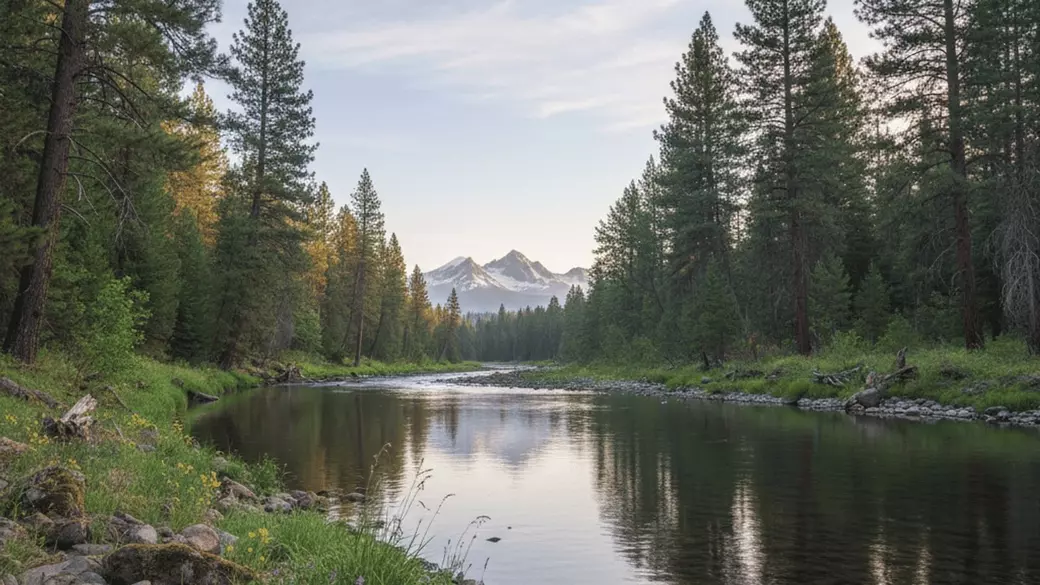
If you are looking at moving to Bend, you have likely already fallen for the romance of the place. We hear it all the time: you came for a weekend of skiing at Mount Bachelor, had a pint at a brewery on the Deschutes River, and decided this is where you want to be. It is the classic "outdoor playground of the West" dream.
But before you pack the U-Haul, we need to have a real talk about what life in Central Oregon looks like today. Bend is no longer the sleepy mill town it was thirty years ago. It has exploded into a booming "Zoom town" with a population pushing past 100,000.
The lifestyle here is unmatched—truly, it is spectacular—but it comes with a "sunshine tax" and some unique growing pains that you won't see on a postcard.
Pros and Cons of Living in Bend
When people ask me if they should move here, I usually tell them it depends on what they are willing to trade. Life here is a balancing act between incredible access to nature and the realities of a rapidly growing, isolated city.
Here is the quick rundown of the trade-offs:
- The Pros: You are rarely more than 30 minutes from true wilderness. We get about 300 days of sunshine a year, which is a massive mood booster compared to the rainy western side of the state. The culture is built around world-class breweries, a massive food cart scene, and a dog-friendly vibe that welcomes pups almost everywhere.
- The Cons: The cost of housing has skyrocketed, creating a very high barrier to entry. We also deal with "smoke season" due to regional wildfires, which can limit outdoor time in late summer. Additionally, being three hours from the nearest major metro (Portland) means you are somewhat isolated, and the town lacks the cultural diversity found in larger cities.
Cost of Living: The Price of Paradise
Let’s get right to the numbers, because this is usually the biggest shock for newcomers. The cost of living in Bend Oregon is roughly 27% higher than the national average, and housing is almost entirely responsible for that spike.
The Housing Market
Real estate here is competitive for both buyers and renters. If you are looking to buy, you need to be prepared for sticker shock. The median home price currently hovers between $700,000 and $775,000. Inventory is often tight, and desirable homes move fast. If you aren't ready to buy, renting isn't necessarily cheap either; a standard two-bedroom apartment typically runs between $1,800 and $2,500 per month.
Utilities and Daily Expenses
Beyond housing, your daily expenses will look a little different here. Because we are in a high desert location over the mountains, fuel and goods can cost slightly more to transport in, so grocery bills and gas tend to be a bit above the national average.
On the positive side, Oregon has no sales tax. That saves you 6% to 10% on every purchase compared to other states. However, you need to balance that against the state income tax, which is one of the highest in the country. It’s a trade-off that usually works out in favor of big spenders but hits high earners harder.
Best Neighborhoods in Bend
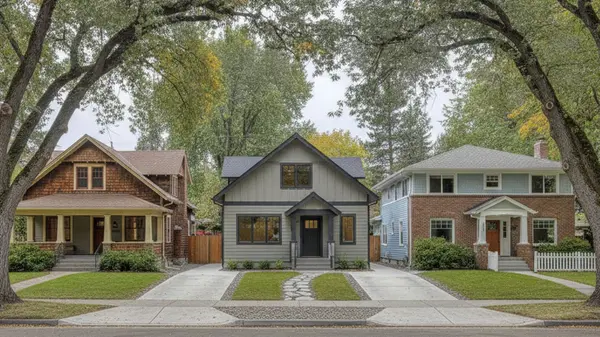
When you start looking at homes, you will quickly learn about "The Divide." Locals generally split the town into the Westside and the Eastside.
The Westside
The Westside is what you typically see in magazines. It is walkable, trendy, and close to the trails and the road up to Mount Bachelor.
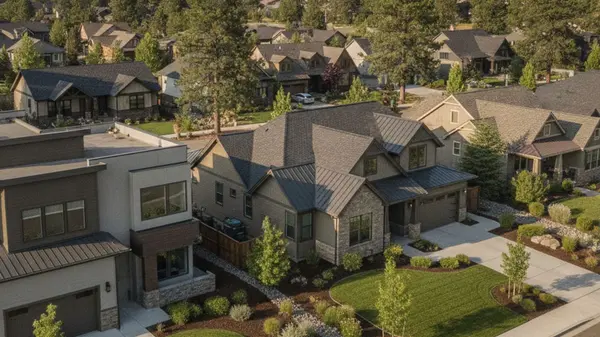
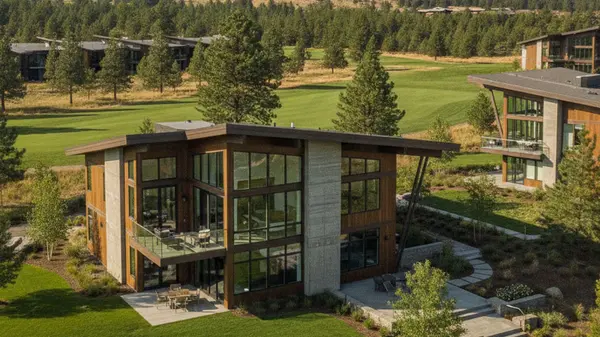
- Northwest Crossing: This is a master-planned area with modern homes, its own restaurants, and a very polished feel.
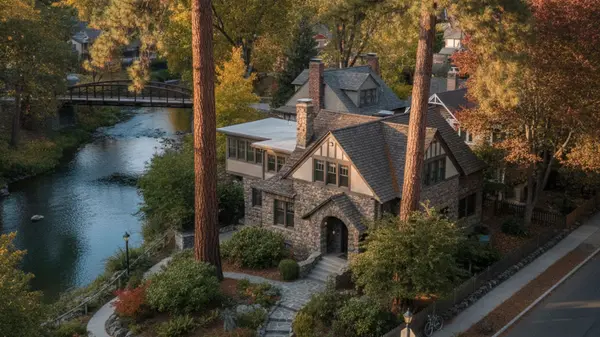
- Old Bend: If you want historic charm and the ability to walk to the river or downtown, this is the spot.
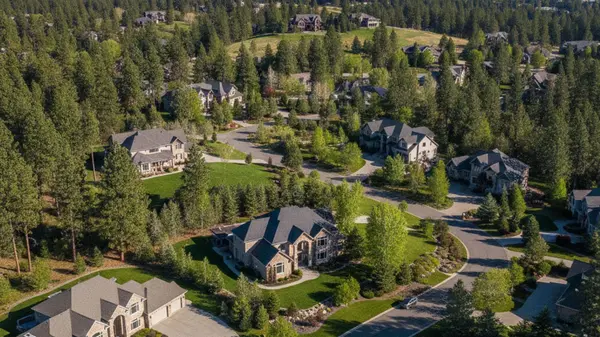
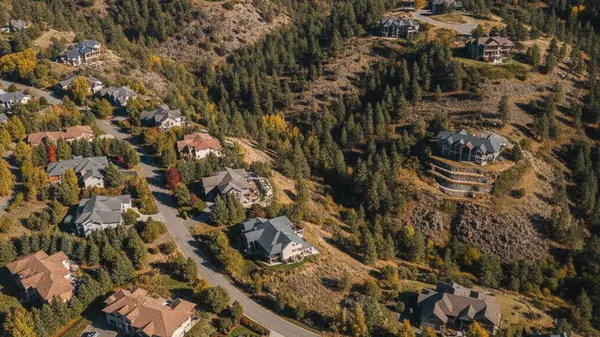
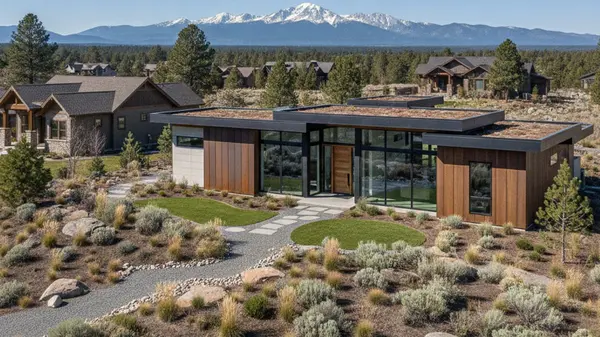
- Awbrey Butte: This area sits higher up, offering luxury homes with sweeping mountain views, though it is less walkable. Expect to pay a premium here—homes on the Westside often command prices 20% to 30% higher than similar properties across town.
The Eastside
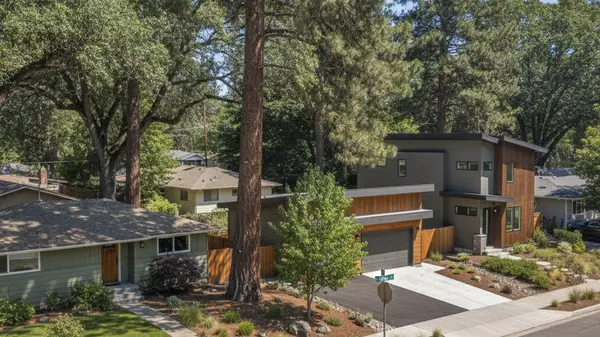
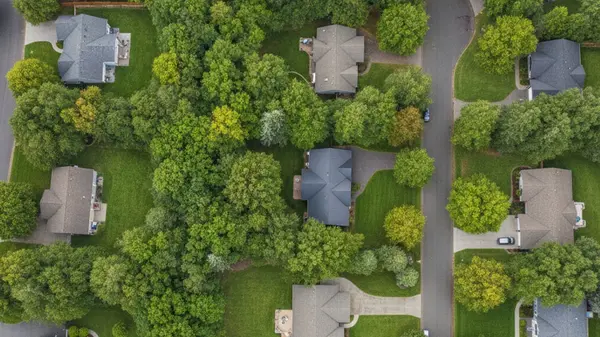
If you are looking for more space and better value, the Eastside is where you want to look. It has a more suburban feel but is rapidly developing its own cool pockets.
- Pilot Butte / Midtown: This area is central and up-and-coming, offering easy access to everything without the massive price tag.
- Boyd Acres: A solid suburban choice with good access to the parkway for commuting.
- Larkspur: A quieter area, home to the senior center and great walking paths. Exploring the best neighborhoods in Bend Oregon really comes down to whether you prioritize walkability (Westside) or square footage and value (Eastside).
Job Market and Local Economy
Historically, there was a saying here: "poverty with a view." It meant people accepted lower wages just to live near the mountains. That dynamic has shifted significantly with the rise of remote work.
The "Zoom Town" Effect
Remote workers are a massive driver of the local economy now. Many residents bring salaries from the Bay Area, Seattle, or Portland, which has kept the housing market hot even when local wages haven't quite kept up.
Local Industries
If you are looking for local employment, the biggest sectors are healthcare (anchored by the St. Charles Health System), tourism, and hospitality. There is also a growing tech startup scene and, of course, the craft brewing industry is a legitimate employer here. However, be aware that service and local industry wages often lag behind the cost of housing, making the market difficult for non-remote workers.
Lifestyle: Outdoors, Beer, and Dogs
Life in Central Oregon is undeniably casual. If you show up to a nice dinner in a flannel shirt and a puffy jacket, you will fit right in.
The world-class recreation here is world-class. In the winter, the town revolves around Mount Bachelor for skiing and snowboarding. In the summer, "floating the river" (the Deschutes) is practically a rite of passage. If you are a climber, Smith Rock is just down the road.
The social scene is heavily centered around food and drink. Bend has one of the highest densities of breweries per capita in the country. We also have a massive food cart culture—these aren't just lonely trucks on a corner, but organized "pods" with fire pits, taps, and seating where communities gather. And yes, almost all of these places are incredibly dog-centric. You will see golden retrievers and labs everywhere you go.
Weather and The "Smoke Season"
We enjoy a high desert climate, which is distinct from the rainy Pacific Northwest stereotype. We have four distinct seasons. Summers are dry and hot during the day but cool off significantly at night. Winters are snowy, but because it is dry here, the snow in town usually melts within a day or two, preventing the slushy mess you might be used to elsewhere.
However, we need to talk about wildfire smoke. Over the last decade, smoke has essentially become a fifth season. In August and September, wind patterns often push smoke from regional fires into the Bend bowl. We have seen a significant increase in days with "unhealthy" air quality. If you move here, you learn to be flexible with your plans and you invest in good air purifiers for your home.
Schools and Education
For those moving with students or looking at higher education, there are solid options within the city limits. K-12 students are served by Bend-La Pine Schools, which is a large district covering a vast geographic area. The district offers several magnet schools and dual-language programs that act as alternatives to neighborhood attendance boundaries.
For higher education, Central Oregon Community College (COCC) sits on a beautiful campus on the Westside. We also have the OSU-Cascades campus, which is expanding rapidly and bringing a 4-year university presence to the area.
Getting Around: Cars, Bikes, and Roundabouts
Bend is spreading out, and while bike lanes are improving, it is still a car-dependent town for most errands. Public transit is available through Cascades East Transit, but routes can be limited compared to major metros.
The Roundabout Capital
You will notice immediately that we don't have many traffic lights. Bend is famous for its roundabouts. They generally keep traffic flowing much faster than stoplights, but they can be confusing for newcomers. Just remember: yield to the left, and signal your exit.
Air Travel
When you need to leave town, you likely won't drive to Portland. You will use Redmond Municipal Airport (RDM), located about 20 minutes north. It is small, incredibly easy to navigate, and offers direct flights to most major western hubs.
Bend vs. Portland: Which is Right for You?
We often see people debating between Oregon’s two main hubs. Here is how they stack up:
- Climate: Portland is famous for grey skies and drizzle. Bend is sunny and dry.
- Vibe: Portland is a true city with an urban, foodie, and artsy culture. Bend feels more like a large resort town focused on outdoor recreation.
- Traffic: Portland has major city gridlock. Bend has what locals complain is traffic, but it’s really just a "rush minute" compared to I-5.
- Housing Cost: Surprisingly, median home prices in Bend often exceed Portland’s metro average. You are paying for the lifestyle and the safety of a smaller community.
Frequently Asked Questions
Is living in Bend, Oregon expensive?
Yes, the cost of living is high, primarily driven by real estate. With median home prices often exceeding $700,000, it is one of the most expensive housing markets in the state, though groceries and utilities are only slightly above the national average.
Does it snow a lot in Bend?
Bend gets about 20 to 30 inches of snow annually in town, but it rarely sticks around for long. The high desert sun usually melts it off the roads quickly, while the nearby mountains get hundreds of inches of powder for skiing.
Is Bend safe to live in?
Generally, yes. Bend has lower violent crime rates than larger metropolitan areas. Most crime here is property-related, such as bike theft or car break-ins, especially near trailheads or busy downtown areas.
What is the "smoke season" in Bend?
"Smoke season" refers to late summer, typically August and September, when wildfire smoke from Oregon and California can settle in Central Oregon. Air quality can reach unhealthy levels for days at a time, making it essential to have indoor contingency plans during these months.
Categories
Recent Posts