Retiring in the High Desert: An Overview of Senior Living in Bend
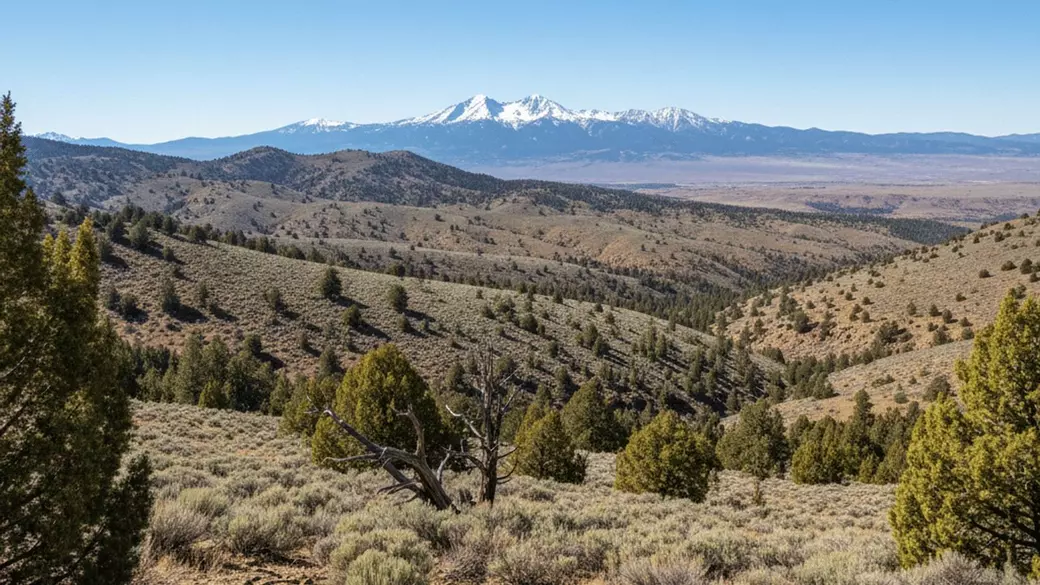
For decades, Bend was a quiet timber town where the biggest excitement was the annual log drive down the Deschutes River. Today, it has transformed into a cultural and medical hub that consistently lands on "best places to retire" lists. But what actually draws seniors here isn't just the glossy magazine rankings—it's the geography.
With roughly 300 days of sunshine a year and a high-desert climate that keeps humidity comfortably low, the environment here is often kinder to aging joints than the damp gray of the Willamette Valley. However, moving here requires planning. Whether you are an active adult looking to hike Pilot Butte every morning or you are researching care options for a parent who needs daily support, the landscape of senior living in Bend is diverse.
This guide breaks down the real costs, the housing options, and the lifestyle factors you need to know before packing the moving truck.
The Cost of Senior Living in Bend, OR
Let’s address the elephant in the room immediately: Bend is not a budget retirement destination. The secret is out, and popularity has driven prices up significantly over the last decade. It is important to look at these numbers with open eyes so you can plan your nest egg accordingly.
While the cost of living here is higher than the national average and pricier than neighboring Redmond or Prineville, many retirees find the "resort premium" is balanced out by Oregon’s tax structure.
There is no state sales tax here—which saves you significantly on big purchases like cars or appliances—and Oregon does not tax Social Security benefits.
Housing and Care Costs at a Glance
If you are moving from a high-cost area like the Bay Area or Seattle, these numbers might look standard. If you are coming from the Midwest or rural Oregon, prepare for some sticker shock.
- Independent Living: Monthly rents for communities that include meals and housekeeping generally hover between $4,300 and $4,500.
- Assisted Living: Because labor costs are higher here, expect to pay approximately $5,700 to $5,900 per month, which is notably higher than the national average.
- Buying a Home: The median home price in Bend generally floats in the $680,000 to $720,000 range. You get more house for your money here than in California, but it is a competitive market.
Independent Living & 55+ Communities
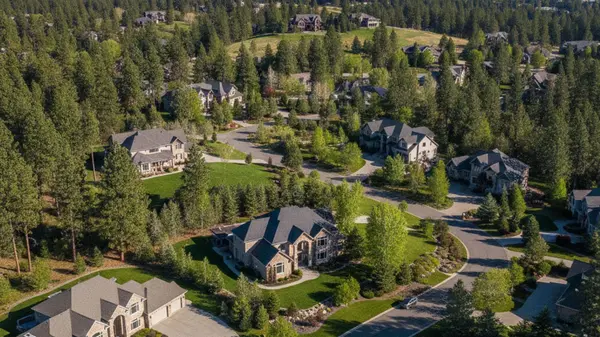
When people say "independent living," they usually mean one of two very different things. In Bend, you have the choice between active adult neighborhoods (where you own the home) and independent living facilities (where you rent an apartment with services).
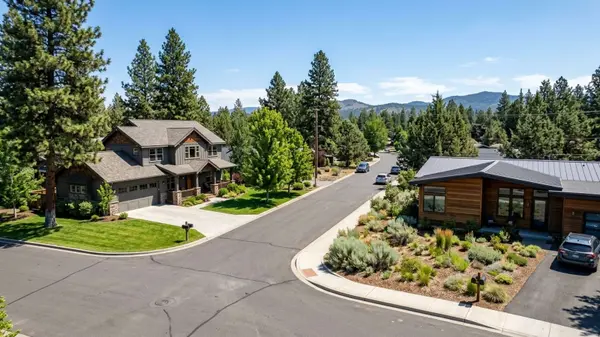
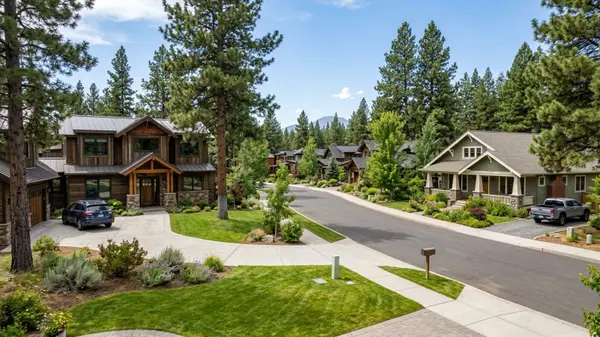
If you are looking to downsize but want to keep your autonomy, the 55+ community scene here is vibrant. You can find resort-style manufactured home parks like Cascade Village, which offer a lower entry price and include amenities like clubhouses and pools. On the other end of the spectrum, there are luxury apartment complexes like The Alexander that feel more like a boutique hotel than a senior center.
The biggest perk of these communities is the built-in social network. Isolation is a real risk as we age, but these neighborhoods make it easy to find a pickleball partner, join a walking group along the Deschutes River Trail, or hop on a community shuttle for a trip to the High Desert Museum.
Assisted Living and Memory Care Options
For seniors who need help with daily tasks—like medication management, dressing, or bathing—Assisted Living provides that necessary bridge. These facilities in Bend are generally well-regarded, with many offering specialized staffing and dietary plans tailored to senior health needs.
If your loved one requires Memory Care for Alzheimer’s or dementia, the environment becomes even more specialized. These units are secure to prevent wandering and offer structured activities designed to support cognitive health. However, because specialized care requires higher staffing ratios, the costs are steep.
What you should know about availability:
- Vacancy Rates: Top-rated facilities often have waitlists. It is smart to start touring places months before you think the move is actually necessary.
- Cost of Memory Care: Depending on the level of care needed, monthly costs can exceed $7,000 to $9,000.
- Placement Help: If you are overwhelmed, local nonprofits like the Council on Aging of Central Oregon are excellent resources for guidance.
Healthcare & Medical Access in Central Oregon
For many retirees, access to a good hospital is just as important as the view. In Central Oregon, the primary provider is the St. Charles Health System. St. Charles Bend is the largest hospital east of the Cascades and serves as a Level 2 Trauma Center.
Locally, you have access to strong specialists in cardiology, orthopedics (crucial for this active town), and cancer care. Most routine surgeries and chronic condition management can be handled right here in town without issue.
That said, it is important to be realistic. For extremely specialized procedures or rare conditions, residents sometimes travel to Oregon Health & Science University (OHSU) in Portland. That is about a three-hour drive over the mountain passes, or a short medical flight. For day-to-day needs, however, clinics, urgent cares, and pharmacies are well-distributed throughout the city.
Lifestyle: Why Seniors Choose the High Desert
Why do people pay the premium to live here? It usually comes down to the lifestyle. Bend sits at roughly 3,600 feet elevation, providing distinct four seasons without the bone-chilling bitterness found in other parts of the country.
Summer is the headline act here. You can golf at world-class courses, fish on the Deschutes, or browse the downtown farmers markets. But unlike the Midwest, the heat is "dry," meaning 85 degrees feels pleasant rather than oppressive.
Winter is milder than you might expect. While we do get snow, the sun often comes out immediately after a storm, and the roads in town usually melt off quickly. It’s a great environment for seniors who want to enjoy the beauty of winter without feeling trapped by it.
- A Note on "Smoke Season": It is important to mention that late summer often brings wildfire smoke to the region. For seniors with respiratory issues like asthma or COPD, this is a valid health consideration.
- Volunteering: For those who want to stay busy, the community spirit is huge. Places like the Tower Theatre and High Desert Museum run on volunteer power, offering a great way to meet people.
Getting Around: Transportation & Accessibility
Bend is a sprawling city, and while areas like Downtown and the Old Mill District are very walkable, most residential neighborhoods require transportation. If you or your parents are no longer driving, you are not stranded, but you do need to plan.
Cascades East Transit (CET) runs fixed routes throughout the city. For those who cannot use the fixed routes due to mobility issues, there is a "Dial-A-Ride" service that offers curb-to-curb transportation for seniors and residents with disabilities.
When it comes to visiting family or snowbirding, the Redmond Municipal Airport (RDM) is a massive asset. It is only about 20 minutes north of Bend. It’s small, easy to navigate (no long walks to the gate), and offers direct flights to major hubs like San Francisco, Denver, and Seattle.
Bend vs. Other Oregon Retirement Destinations
If you are on the fence about Bend, it helps to compare it to the neighbors.
- Bend vs. Redmond: Redmond is just 20 minutes north and is generally more affordable. The median home price there is often $150,000 to $200,000 less than in Bend. It is also slightly drier and quieter, though it has fewer upscale dining and shopping options.
- Bend vs. Eugene: Eugene is a larger college town located in the valley. It is at sea level, which is better for those who struggle with high altitude, but it is significantly wetter and grayer in the winter.
- Bend vs. Sunriver: Sunriver is a resort community south of Bend. It is pristine and beautiful, but it can feel very quiet in the off-season and lacks the full medical and commercial services found in Bend proper.
Conclusion
Retiring in Bend offers a unique mix of high-quality healthcare, outdoor beauty, and small-town community feel, but it comes with a higher price tag. The best way to know if it is right for you is to visit—not just in the perfect weather of July, but perhaps in January or during the smoky days of late August.
If the numbers work for your budget, the quality of life here is hard to beat. For those ready to take the next step, we recommend reaching out to a local real estate specialist who understands the nuances of senior housing to help navigate the market.
Frequently Asked Questions
Is Bend, Oregon tax-friendly for retirees?
Yes, Oregon is generally considered tax-friendly for retirees in specific ways. The state has no sales tax, which lowers the daily cost of living, and it does not tax Social Security benefits. However, keep in mind that other forms of retirement income (like pensions or 401k withdrawals) are taxed at the state income tax rate.
How does the altitude in Bend affect seniors?
Bend sits at an elevation of roughly 3,600 feet. While this provides crisp air and mild summers, the thinner air can impact seniors with pre-existing heart or respiratory conditions like COPD. It is often recommended to consult with a doctor before moving if you have concerns about acclimating to the High Desert elevation.
Does Bend, Oregon have good medical care for seniors?
Yes, Bend is the medical hub for all of Central Oregon. St. Charles Bend provides comprehensive care, including cancer treatment, cardiac care, and orthopedics, reducing the need to travel for most seniors. However, for extremely rare or complex surgical cases, patients may still need to travel to Portland.
Is it cheaper to retire in Bend or Redmond, Oregon?
It is significantly cheaper to retire in Redmond. Housing costs in Redmond are typically $150,000 to $200,000 lower than in Bend, and the general cost of goods can be slightly lower. Redmond offers a quieter, more affordable lifestyle while still being just 20 minutes away from Bend’s amenities and medical facilities.
Categories
Recent Posts