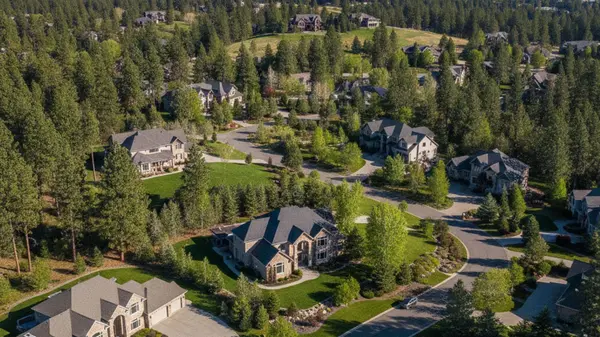
Buying Land in Bend: The High Desert Dream & The Reality Check
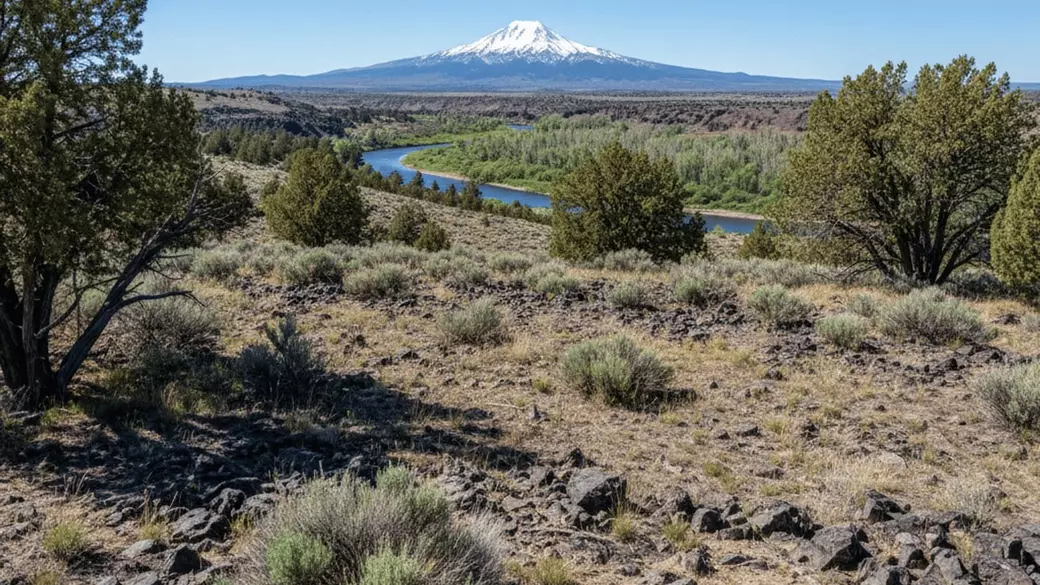
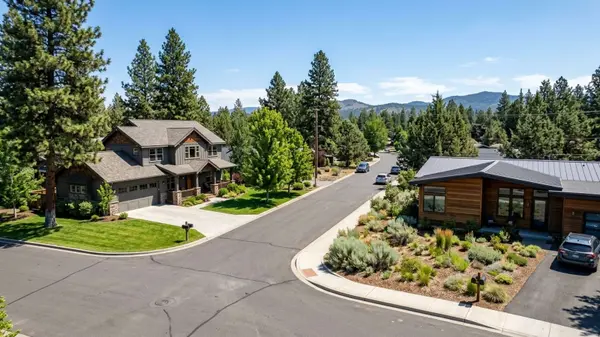
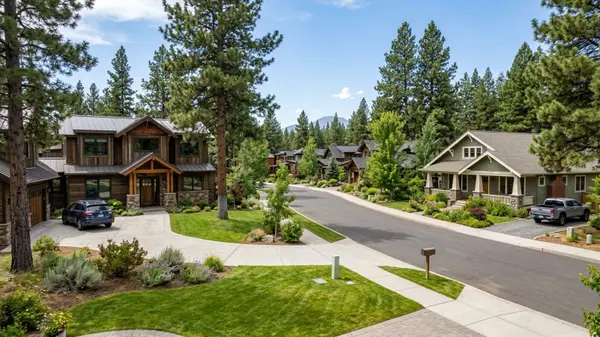
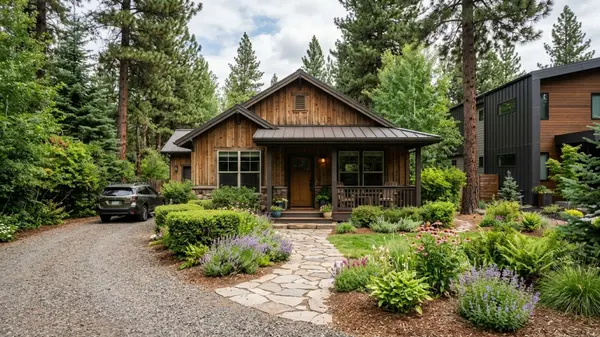
There is a specific allure to the high desert that you just don't find anywhere else. Maybe you want a custom home with a front-row seat to Mount Bachelor, or perhaps you’re looking for a few acres near the Deschutes River to build a shop and store your drift boat. Whatever the vision, buying land for sale in Bend, Oregon is the first step toward building that lifestyle.
However, if you’ve been watching the market, you know that things have shifted. We aren't in the buying frenzy of a few years ago. As we move through 2026, inventory levels are finally rising. The market has cooled enough to give buyers a little breathing room, meaning you actually have time to do proper due diligence.
And believe me, in Central Oregon, due diligence is everything. Buying dirt here isn't like buying a subdivision lot in the suburbs. You have to contend with lava rock, water rights, and zoning layers that can be tricky.
Let’s walk through what you need to know before you put a shovel in the ground.
Best Areas to Buy Land in Bend & Central Oregon
Bend isn’t a monolith; every quadrant has a different geology, price point, and vibe. When clients ask me where to look, I usually break it down by lifestyle and budget.
Northwest (NW) Bend
If budget is less of a concern and you want that classic "Bend" feel—ponderosa pines, proximity to Drake Park, and easy access to the Phil's Trail network—this is it. However, land here comes at a premium. You are often looking at steep lots that require complex engineering to maximize views. Expect prices to be significantly higher here than the rest of town.
Northeast (NE) Bend
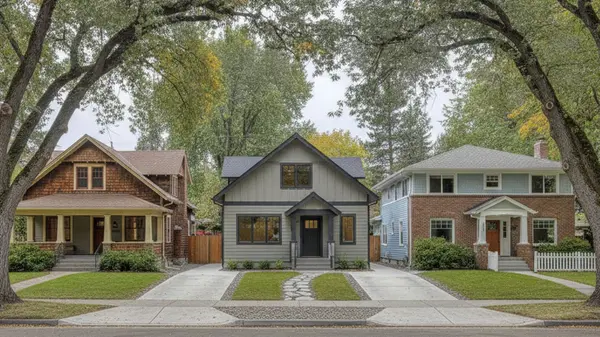
This is often the practical choice. The terrain is generally flatter, which means your excavation and foundation costs might be lower (though you never know until you dig). It’s convenient for getting to the medical center and shopping, offering a good balance of value and accessibility.
Southeast (SE) Bend
If you want a little elbow room without leaving the city limits, look here. This area is known for larger parcels—often an acre or more—giving it a "country in the city" feel. It’s a popular spot for people who want space for outbuildings or workshops.
Tumalo & The Outskirts
Just north of town, Tumalo offers that true rural lifestyle. This is where you look for horse properties, stunning mountain views, and a slower pace.
Nearby Alternatives
If Bend prices feel a bit steep, don’t sleep on Redmond or Sisters. Redmond property can be roughly 30% more affordable and gets less snow, while Sisters offers a forested, luxury arts-community vibe.
Zoning and Development: What You Can Build
One of the first things I explain to buyers is the massive difference between buying inside the City of Bend versus buying in Deschutes County.
The dividing line is the Urban Growth Boundary (UGB).
- Inside the City: You generally have access to public sewer and water.
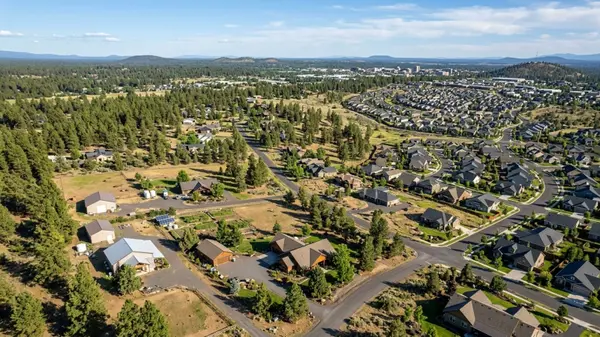
- Outside the UGB (County): You are likely looking at drilling a well and installing a septic system.
You’ll frequently see zoning codes like RR-10 (Rural Residential, 10-acre minimum) or MUA-10 (Multiple Use Agricultural). These dictate density and use.
A Major Warning on EFU Land Be very careful with listings zoned EFU (Exclusive Farm Use). These parcels are intended for farming, not necessarily for luxury estates. Getting a permit to build a residential dwelling on EFU land is extremely difficult and requires proving that the home is necessary for a farm operation. Never assume you can build on EFU land without a deep dive into the code.
Also, keep in mind local regulations like "Dark Sky" ordinances (to protect our view of the stars) and height restrictions designed to protect neighbor views.
The Real Cost of Building in Bend
The purchase price of the land is often just the entry fee. When calculating your total project budget, you need to factor in the local "hidden" costs.
System Development Charges (SDCs)
These are one-time fees charged by the city (or county) to pay for the impact your new home has on parks, roads, and sewers. In Bend, these are significant. Depending on the location and size of the home, SDCs can easily run $20,000 to over $50,000 per lot.
- Local Tip: Ask about the SDC Deferral Program, which can sometimes help with cash flow during the build.
The "Lava Rock" Factor
This is the wild card of Central Oregon construction. Our ground is full of basalt. If your builder hits solid rock while digging the foundation, you aren't just digging anymore—you are hammering or blasting. This can add thousands (sometimes tens of thousands) to your excavation bill.
Construction Rates
As of late 2025, custom build costs generally range from $250 to $550+ per square foot, excluding the land. This varies wildly based on finishes, but it’s a safe baseline for rough math.
Utilities
If you are buying rural land, verify how much it will cost to pull power to the home site. If the nearest pole is a quarter-mile away, that conduit run will be expensive.
Water Rights, Wells, and Septic Systems
If you are buying outside the city limits, water is the single most critical due diligence item.
Water Rights vs. Domestic Use
In Oregon, water belongs to the public. However, most rural properties have a "domestic exemption" allowing you to use up to 15,000 gallons a day for household use and a small lawn (up to half an acre) without a special permit.
- Note: This is different from Irrigation Water Rights (often through districts like COID). If the land comes with irrigation rights (swimmable canals, green pastures), you must use that water beneficially at least once every five years, or you risk losing the right.
Drilling a Well
Well depths here vary drastically. You might hit water at 200 feet, or you might have to drill 800+ feet deep. With drilling costs ranging significantly (often $25–$65+ per foot), a deep well can blow the budget. Always check the "well logs" of neighboring properties to get an idea of the water table depth.
Septic Feasibility
Before you close, you need a septic feasibility study. In rocky terrain, standard septic systems don't always work. You might need a sand filter or an alternative treatment technology (ATT) system, which costs significantly more than a standard gravity system.
Step-by-Step Guide to Buying Land
Buying raw land is more complex than buying a standing home. Here is a quick checklist for the process:
- Secure Financing Early: Land loans are different. They typically require higher down payments (20% to 50%) and have higher interest rates than conventional mortgages.
- The Feasibility Period: Never write an offer without a contingency for a feasibility study. I recommend a 30 to 60-day period. This is your time to bring in soil engineers, check with the county planning department, and verify utility access.
- Get a Survey: In rural areas, fences are rarely on the actual property lines. You need a surveyor to mark the corners so you know exactly what you are buying.
- Use a Specialist: Work with an agent who understands land for sale in Bend Oregon. You need someone who can read a zoning map and knows what a "perc test" is, not just someone who can open a lockbox.
Frequently Asked Questions
How much does it cost to build a house in Bend, Oregon?
While costs vary by finish level, most custom homes in 2026 fall into the $250 to $550 per square foot range. This does not include the cost of the land, permit fees, or SDCs. High-end builds on difficult terrain (like steep slopes on Awbrey Butte) will be at the top of that range.
What are System Development Charges (SDCs) in Bend?
SDCs are fees collected when a building permit is issued to pay for infrastructure like transportation, water, sewer, and parks. They are a major line item in Bend, often costing between $20,000 and $50,000 for a single-family home depending on the specific location and size.
Can I build an ADU on my land in Bend?
Yes, generally. Bend has been progressive regarding Accessory Dwelling Units (ADUs) to help with housing density. However, specific setbacks, size limits, and parking requirements apply, so you must verify the regulations for your specific zone (City vs. County rules differ).
Is it better to buy land in Bend or Redmond?
It depends on your priorities. Redmond is typically more affordable (homes and land can be ~30% cheaper) and has slightly warmer, drier weather with less snow. Bend offers closer proximity to the mountain lifestyle, trails, and dining, but comes with a higher price tag and more traffic.
Do I need water rights to drill a well in Deschutes County?
For a standard home, usually not. You generally rely on the "exempt well" status for domestic use (household and up to 1/2 acre irrigation). However, if you plan to irrigate a large pasture or run a commercial farm, you will need to purchase or transfer specific water rights.
Categories
Recent Posts