Moving to Oregon: Bend vs Eugene in 2026
Oregon offers two distinct environments for buyers deciding between the Cascade Mountains and the Willamette Valley. Bend, OR sits in the high desert of Central Oregon, known for dry weather and immediate access to alpine sports. Eugene, OR anchors the southern end of the Willamette Valley, defined by dense green forests and a large student population.
Choosing between these two cities comes down to your budget, climate preference, and daily lifestyle. Both areas offer strong local economies and quick access to nature, but their housing markets operate at different price points. Understanding these differences will help you decide which side of the Cascade Range fits your goals.
Home Prices and Property Styles
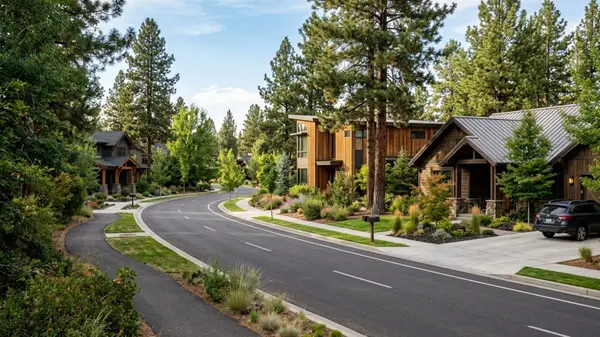
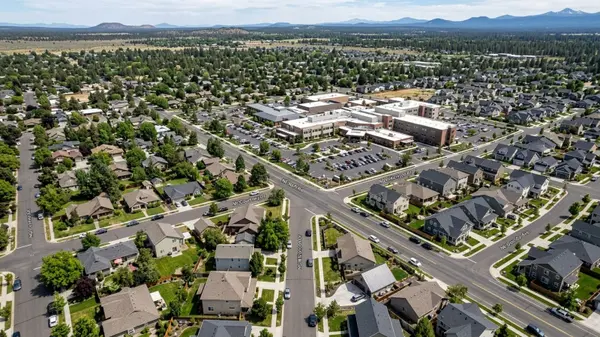
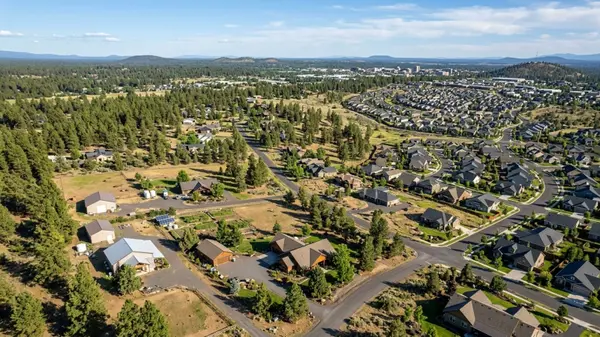
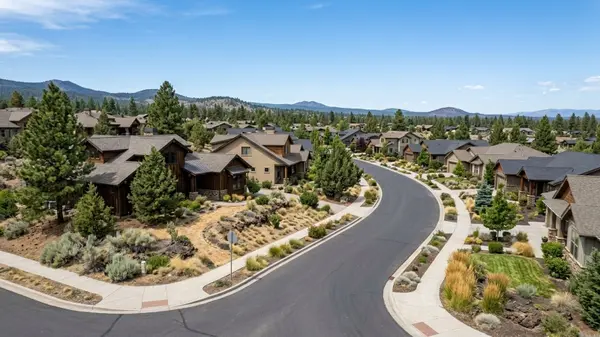
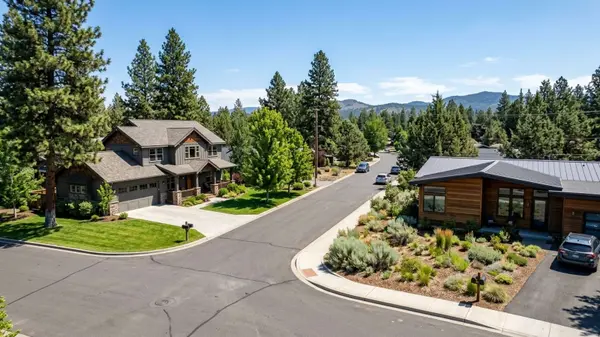
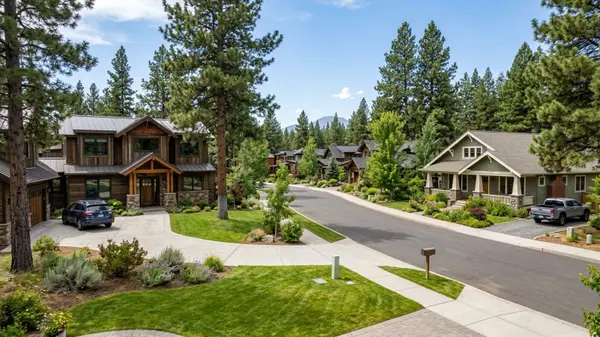
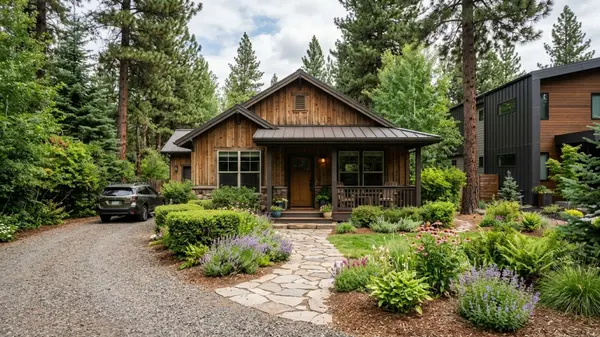
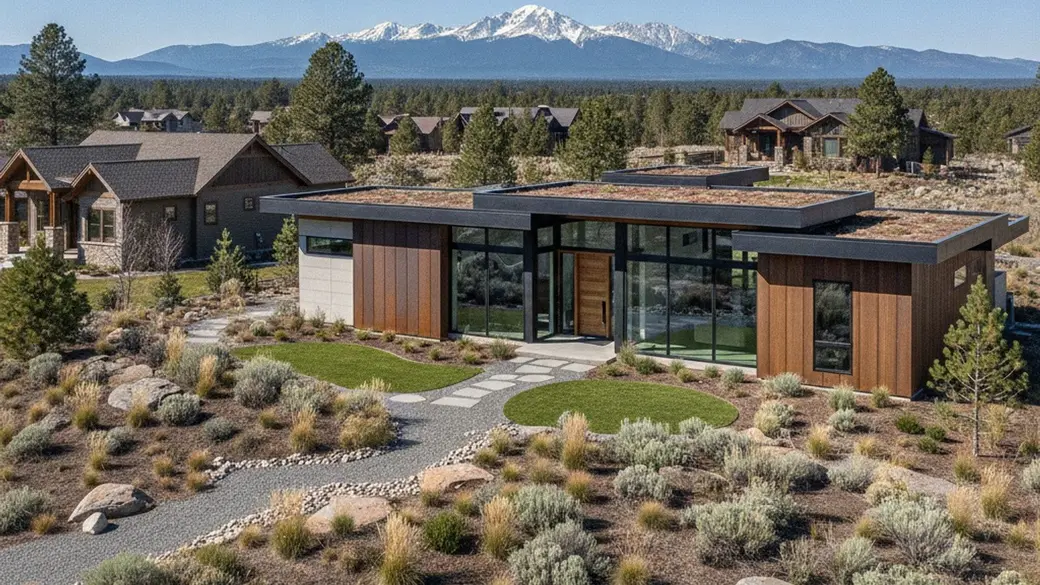
The median home price in Bend, OR currently sits around $704,000. Buyers here often find high-desert modern builds, mountain-style lodges, and newer subdivisions designed around outdoor living. Homeowners in this region pay a premium for the proximity to mountain resorts and the Deschutes River.
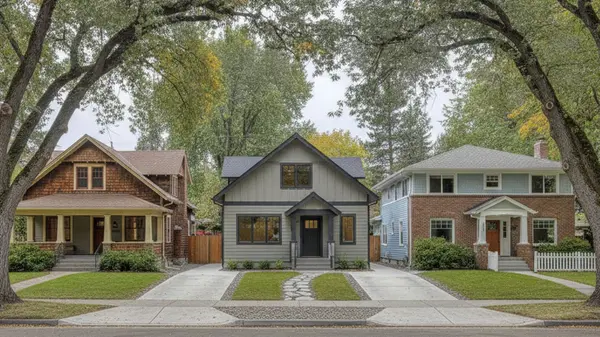
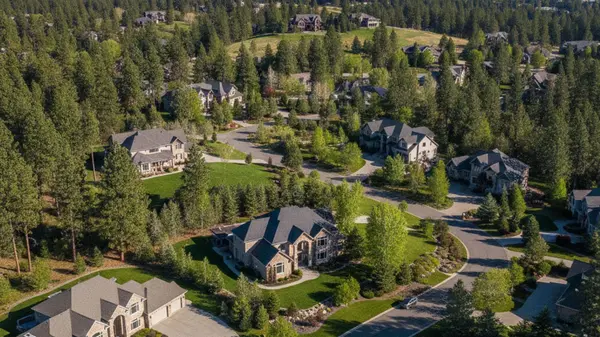
Eugene, OR offers a more accessible entry point, with a median home price near $500,000. The housing inventory features historic craftsman homes, mid-century ranches, and established neighborhoods shaded by massive fir trees. Despite the price difference, both markets move at a similar pace, with homes averaging about 21 days on the market before going under contract.
Local Employers and Daily Commutes
Major employers dictate the economic rhythm in both of these Oregon hubs. In Eugene, OR, the University of Oregon serves as a massive economic engine, supporting thousands of faculty, staff, and administrative jobs. The local tech sector and regional healthcare providers also supply steady employment opportunities across the Willamette Valley.
Bend, OR relies on a different mix of industries, with St. Charles Health System standing out as the largest regional employer. The local economy also benefits from a robust outdoor recreation industry, tourism, and a growing remote workforce. Commuters in both cities spend very little time in traffic compared to major coastal metros.
The average drive to work in both Bend, OR and Eugene, OR hovers between 15 and 20 minutes. Public transit options differ slightly, as Eugene benefits from the Lane Transit District's extensive bus network. Bend residents tend to rely more on personal vehicles, though the Cascades East Transit system provides essential local routes.
Access to Parks and Outdoor Recreation
Both cities provide immediate access to world-class outdoor activities, but the landscapes dictate the specific sports. The Cascade Range divides the state, creating two entirely different environments for weekend adventures. Residents in both locations spend a lot of time outside year-round.
The type of gear you keep in your garage will depend on which city you choose. Here is how the recreational access compares between the two regions:
-
Bend, OR: Residents are 30 minutes from Mt. Bachelor, making snowboarding and alpine skiing routine winter activities. Summer months revolve around rock climbing at Smith Rock and kayaking or floating down the Deschutes River.
-
Eugene, OR: The Willamette River runs directly through town, anchored by the extensive trail system at Alton Baker Park. Locals have quick access to old-growth forest hiking, gravel biking, and a 60-minute drive to the Oregon Coast.
Public Schools and University Options
Educational infrastructure plays a major role in the local culture of both cities. Eugene School District 4J serves the majority of the student population in the Willamette Valley location. Bend-La Pine Schools cover a massive geographic area in Central Oregon, serving students from the city center out to rural county borders.
Higher education shapes the daily energy of Eugene, OR. The University of Oregon brings a massive student population, Division I athletics, and extensive research facilities to the middle of town. This creates a distinct college-town atmosphere that influences local retail, dining, and rental markets.
Bend, OR maintains a quieter higher-education footprint. OSU-Cascades provides a growing four-year university presence, focusing primarily on degrees tied to the local environment and economy. Central Oregon Community College also offers a large campus on the west side of town with views of the mountains.
High Desert Sun Versus Willamette Valley Rain
The Cascade Mountains create a stark weather divide between these two cities. Eugene, OR sits in a temperate rainforest climate, resulting in wet, gray winters and lush green summers. The city receives about 46 inches of rain annually, which keeps the surrounding valley fertile and green.
Bend, OR sits in the high desert at an elevation of 3,623 feet. The mountains block most Pacific storms, giving the city nearly 300 days of sunshine a year and less than 12 inches of annual rainfall.
Winter conditions require different preparation depending on your location. Eugene rarely sees accumulating snow, dealing mostly with continuous winter rain and occasional morning frost. Bend residents expect regular snowfall throughout the winter, requiring snow tires and winter driving skills to manage the local roads.
Frequently Asked Questions
Is it more expensive to live in Bend, OR or Eugene, OR?
Housing costs make Bend, OR the more expensive option for most buyers. The median home price in Central Oregon sits near $704,000, while Willamette Valley buyers look at a median closer to $500,000. Everyday expenses like groceries and utilities run slightly higher east of the Cascades due to transportation logistics.
How far is the drive between Bend, OR and Eugene, OR?
The trip covers about 130 miles via OR-126 and US-20. Drivers usually complete the journey in two and a half to three hours under clear conditions. Winter travel over the mountain passes often requires chains and adds extra time to the drive.
Which city gets more rain, Bend, OR or Eugene, OR?
Eugene receives far more precipitation, averaging 46 inches of rain per year. The high desert environment of Central Oregon limits local rainfall to just 11 or 12 inches annually. Buyers moving to escape the Pacific Northwest gloom often prefer the sunny, dry climate east of the mountains.
Categories
Recent Posts