Is Bend, Oregon Safe? A Local’s Perspective for 2026
If you are thinking about moving to Central Oregon, safety is likely one of the first things you’re Googling. You might be coming from a larger city where safety concerns revolve around crime rates and gritty neighborhoods.
Here in Bend, the answer to "Is it safe?" is a resounding "Yes," but with a unique High Desert twist.
As of early 2026, Bend remains one of the safest metro areas in the Pacific Northwest regarding violent crime. You can walk through downtown after dinner or hike the trails at twilight without the heavy vigilance required in major urban centers. However, safety here isn't just about police reports; it’s about the environment.
The real risks in Bend tend to come from Mother Nature rather than your fellow residents. While we have typical growing pains like traffic and petty theft, your safety plan here needs to focus more on winter driving on the Parkway and managing smoke during wildfire season than on avoiding dangerous street corners.
Let’s break down what safety really looks like when you live here year-round.
Bend Crime Rates: The Data Behind the Headlines
When we look at the numbers, it helps to separate the scary stuff (violence) from the annoying stuff (theft). This distinction is where Bend’s safety profile really stands out compared to the rest of the country.
Violent crime in Bend remains significantly below both state and national averages. The rate sits around 1.5 incidents per 1,000 residents, which is roughly 60% lower than what you’d see in the average US city. For most residents, the fear of physical harm from a stranger is almost non-existent in daily life.
Property crime is a different story, and it’s often what skews the statistics on sites like NeighborhoodScout.
Our property crime rate tends to hover between 15 and 18 per 1,000 residents. While that is lower than Portland, it can feel surprisingly high for a town of this vibe. However, context is key here. A huge portion of these reports are "crimes of opportunity."
We have a local phenomenon often called the "Bend Bubble"—a false sense of security where locals leave Subarus unlocked with iPhones on the seat or leave $5,000 mountain bikes leaning against a brewery wall.
Theft here is rarely about break-ins with force; it is almost always about unlocked car doors and unsecured gear. If you simply lock your car and garage, your risk of becoming a statistic drops dramatically.
The Real Danger: Wildfires, Smoke, and Snow
If I’m being honest with a client, I tell them that the biggest threat to their safety isn't a burglar—it’s the weather. In the High Desert, environmental hazards are a statistical reality we all have to plan for.
Wildfire Season is the big one. Typically running from August through September, this is when "safety" means monitoring the Air Quality Index (AQI). In 2026, nearly 98% of buildings in Bend are classified as having some level of wildfire risk. While direct structural fires are rare within city limits, the smoke can be hazardous to your health, forcing everyone indoors for days at a time.
Then there is Winter Driving.
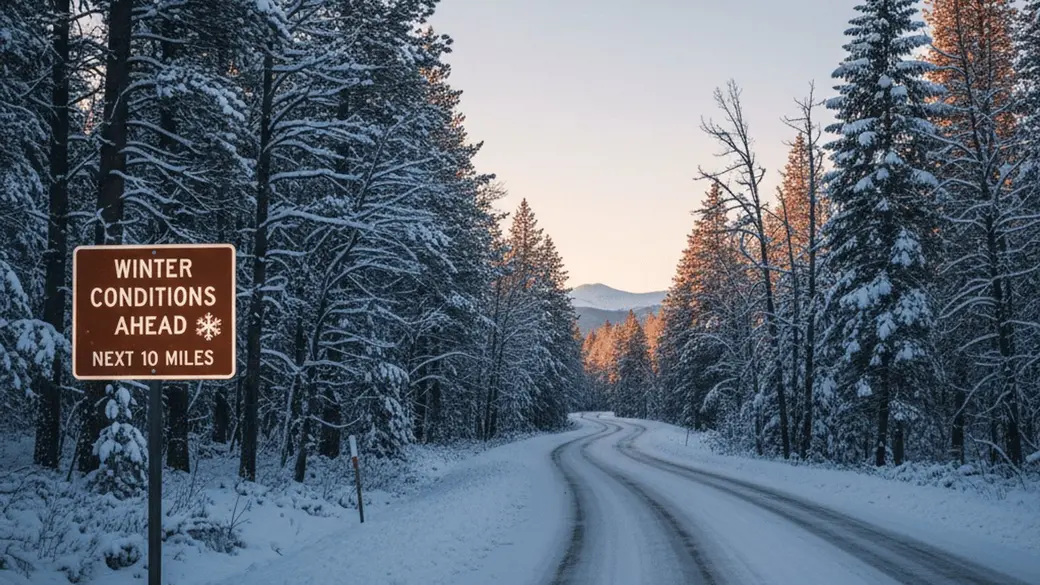
Newcomers often underestimate the volatility of our roads. The dangers here aren't carjackings; they are black ice on the Parkway and sliding through roundabouts. Accidents spike in the winter, often involving drivers who haven't swapped to winter tires.
Outdoor recreation carries its own risks, too. Living here means easy access to the Deschutes River and the Cascades, but that accessibility can lead to complacency. Getting lost hiking near the Sisters or underestimating the river current are genuine safety hazards that affect residents every year.
Neighborhood Safety Guide: Westside vs. Eastside
One of the most common questions I get is about the "safe" side of town. Historically, the Deschutes River has acted as a dividing line for real estate pricing, but it doesn't necessarily divide safety in the way people assume.
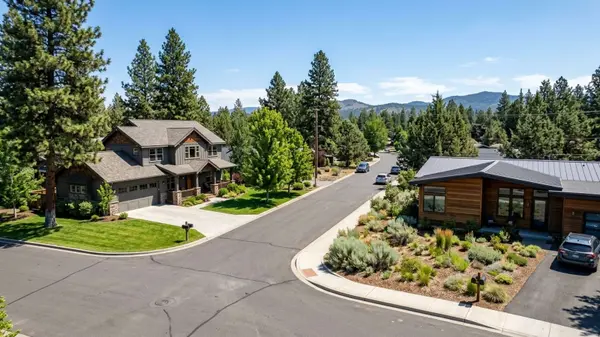
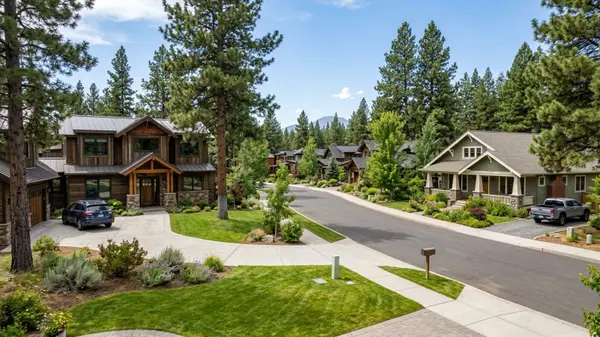
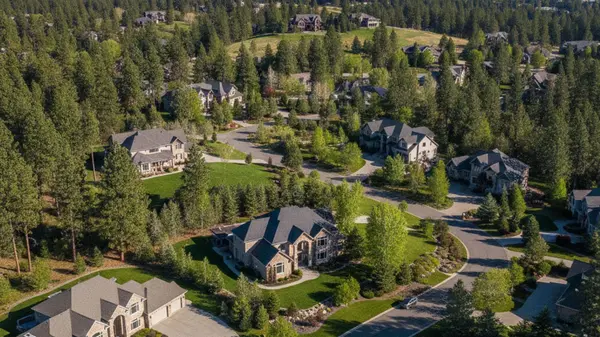
The Westside, home to areas like Awbrey Butte and Northwest Crossing, is often perceived as the safest part of town. These neighborhoods are characterized by lower density and higher price points. The streets here are generally quiet, and because they are further from the main highways, they see less transient foot traffic.
The Eastside gets a bad rap sometimes, but it is largely unjustified. Neighborhoods like Boyd Acres and Larkspur are full of quiet cul-de-sacs and well-kept homes.
You might find more industrial pockets or higher traffic volumes near 3rd Street, but the residential cores of the Eastside are very secure. The main "risk" on the Eastside is simply higher density, which brings more traffic noise and activity, but not necessarily more danger.
Downtown and the Old Mill District are incredibly safe by day and remain comfortable at night. Because these are tourist hubs, the main issue here is the aforementioned car prowling. If you park downtown for a concert or dinner, just make sure nothing valuable is visible through the windows.
For those looking for rural quiet, areas like Tumalo or the outskirts of Southwest Bend offer a different kind of safety—distance from neighbors and traffic—though emergency response times can be slightly longer.
Homelessness and Public Safety Perception
You cannot talk about living in Bend in 2026 without addressing homelessness. It is visible, and for many people moving from smaller towns, it can be a source of concern.
You will likely see encampments or individuals near areas like 2nd Street or China Hat Road. However, it is important to distinguish between visibility and danger.
The homelessness crisis in Bend is primarily a humanitarian issue rather than a driver of violent crime. Most police interactions involving the unhoused population are classified as "crimes against society"—things like trespassing or public intoxication—rather than person-on-person violence.
The city has been working on managed camps to provide safer environments for unhoused residents, which helps reduce the prevalence of unregulated camps in public spaces. For the average resident, the presence of homelessness does not equate to a direct threat to personal safety, though it is a visible reminder of the region\'s growing pains.
Safety for Families, Retirees, and Solo Living
Safety priorities change depending on your stage of life. Here is how Bend stacks up for different demographics.
For Households with Children When people look for neighborhoods near schools and parks, traffic safety becomes the priority. Bend has a strong "free-range" culture where it is common to see kids riding bikes to school or playing in neighborhood parks unsupervised. The main safety focus here is teaching kids how to navigate roundabouts and crosswalks, as drivers can be distracted by the views.
For Retirees If you are retiring here, safety often means access to healthcare. St. Charles Medical Center is the only Level 2 Trauma center east of the Cascades. Being close to the hospital creates a safety net that is critical during winter when roads can be icy. The Eastside generally offers faster access to the medical district, which is a big plus for health-conscious buyers.
For Solo Residents For single residents or those living alone, the comfort level in Bend is very high. Walking the dog at night or jogging early in the morning feels comfortable in almost every residential neighborhood. Unlike larger cities where you might need to avoid specific blocks, Bend allows for a much more relaxed lifestyle.
5 Practical Safety Tips for Newcomers
If you want to live safely in the High Desert, a few practical habits go a long way.
- Pop the "Bend Bubble": Do not let the small-town vibe make you complacent. Lock your house and your car every single time. It is the easiest way to prevent 90% of local crime.
- Build a Fire Season "Go Bag": Have a bag ready with documents, meds, and N95 masks. When smoke rolls in or an evacuation level is set, you want to be ready to move, not scrambling.
- Master the Roundabout: Roundabouts are everywhere here. Yield to the left, signal your exit, and watch for pedestrians. This is where most fender benders happen.
- Get Serious About Tires: From November to April, you need traction tires or chains. It is often a legal requirement on the passes, but it’s just smart safety for getting around town when the streets ice over.
- Respect the Wildlife: We share this space with deer (major road hazards at dusk) and occasionally cougars on the trails. Keep your distance and keep pets close when hiking in the Deschutes National Forest.
Frequently Asked Questions
Is Bend Oregon safe at night?
Yes, Bend is generally very safe at night compared to other cities of its size. Downtown and the Old Mill District are well-lit and active with people dining and socializing. In residential neighborhoods, the main concern at night is poor lighting on streets without sidewalks, rather than crime.
Is the Eastside of Bend dangerous?
No, the Eastside is not dangerous. While it is more densely populated and contains more commercial zones than the Westside, the residential neighborhoods are safe and quiet. The stigma regarding the Eastside is largely outdated and based on aesthetic preferences rather than crime statistics.
What are the bad areas of Bend Oregon?
Bend does not have "bad areas" in the traditional sense of high-crime ghettos. There are areas with higher noise, industrial traffic, or transient activity, such as parts of 3rd Street or near the railroad tracks, but these are not considered dangerous "no-go" zones for residents.
Is Bend safer than Portland?
Statistically, yes, Bend safer than Portland has significantly lower rates of violent crime and property crime than Portland. The scale of the city is much smaller, and residents do not face the same level of civil unrest or gang activity that has affected parts of the Portland metro area in recent years.Categories
Recent Posts