Is Bend, Oregon the Right Fit for Your Household?
If you are looking into Bend Oregon, you have likely heard the buzz. Maybe you have visited for a summer weekend, floated the Deschutes, and thought, "Could we actually live here?" It is a common dream. Over the last decade, Bend has transformed from a sleepy timber town into a remote-work powerhouse, attracting parents from Seattle, the Bay Area, and Portland who are chasing a slower pace and better access to the outdoors.
However, locals often use the phrase "poverty with a view" to describe the trade-off here. While that old adage is changing as high-paying remote jobs move in, the core truth remains: living here costs a premium. The market is competitive, and the cost of living has risen sharply. If your budget can handle the housing market, though, Bend offers a lifestyle that is hard to replicate anywhere else. It is an incredible place for active households who prioritize skiing, biking, and fresh air over big-city conveniences.
The Outdoor Lifestyle: Year-Round Recreation
The biggest draw for moving to Bend Oregon is undoubtedly the access to nature. We often talk about the "300 days of sunshine," and while that includes some crisp winter days, it means you are rarely stuck inside due to gloom. For households with high energy, the seamless transition between seasons makes it easy to keep everyone active without much planning.
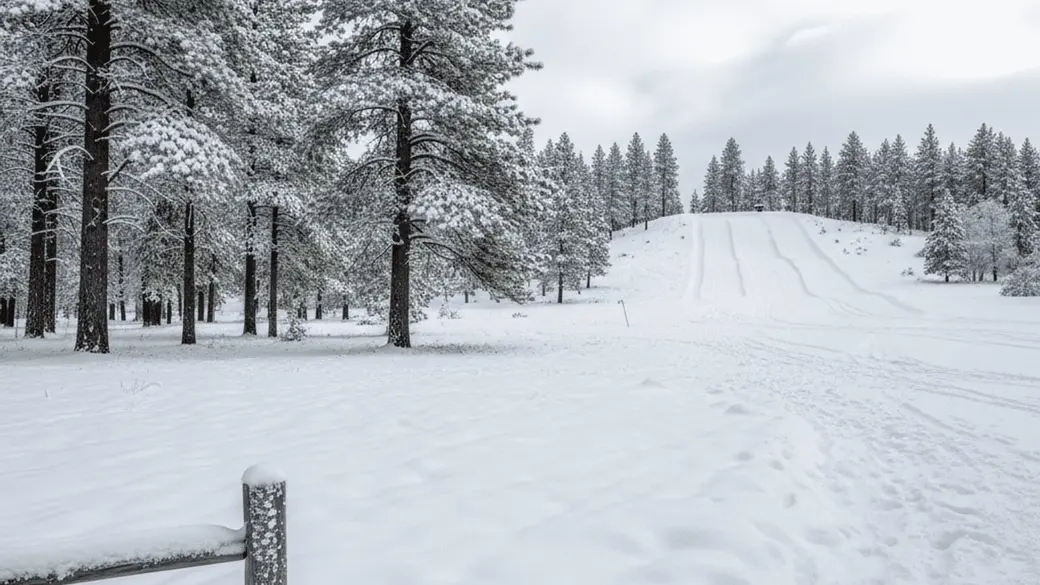
In the winter, Mt. Bachelor is the main event. It is roughly a 20 to 30-minute drive from the west side of town, meaning you can drop the kids off at ski school in the morning and be back in town for lunch. If downhill skiing isn't your speed, Wanoga Sno-Park offers thrilling sledding hills that are a rite of passage for local kids. It’s accessible, messy, and incredibly fun.
Come summer, the focus shifts to the water and the trails. Floating the Deschutes River is the quintessential warm-weather activity. Start at Riverbend Park and drift down to Drake Park; it is a gentle, scenic ride that even younger children can enjoy safely with life jackets. For hikers, Pilot Butte creates a natural stairmaster right in the middle of town, offering sunset views that are hard to beat.
It is also worth noting the local "apres" culture isn't just for adults. Bend has cultivated a brewery scene that is surprisingly welcoming to all ages. Places like Crux Fermentation Project feature massive open lawns where parents can catch up over a pint while children run around in the grass. It is a relaxed, community-focused vibe that defines the social scene here.
Education and Schools in Bend
When looking at the logistics of daily life, schools are usually top of mind. The Bend-La Pine Schools district is the large public entity serving the area. It serves approximately 18,000 students and generally maintains a solid reputation compared to many other districts in the state. The graduation rate is hovering around 85.8% based on recent 2025 data, reflecting a relatively engaged student body.
Within the public system, there are several standout options depending on your child's needs. Schools like Highland Magnet School (known for its Scottish Storyline method) and Summit High School are frequently discussed in local parenting circles for their strong academic performance. However, because magnet schools use a lottery system, it is important not to bank entirely on getting into one specific program.
For those interested in alternatives, the area has a growing list of private schools and dual-language programs. As students get older, the presence of Central Oregon Community College (COCC) and the expanding OSU-Cascades campus provides local higher education options. The university expansion, in particular, has brought a new tier of academic resources and culture to the town that wasn't here twenty years ago.
Cost of Living: Housing and Everyday Expenses
Let’s be honest about the numbers: cost of living in Bend Oregon is the primary hurdle for most newcomers. As we head further into 2026, housing inventory remains tight, and demand is high. The days of finding a cheap starter home in a central neighborhood are largely behind us.
If you are looking to buy, you should expect median home prices to land in the $750,000 to $900,000 range. While you can find properties below this band, they often require significant renovation or are located further from the city center. The rental market is equally competitive, especially if you need a single-family home. A standard three-bedroom house often rents for $2,300 to $2,800 a month, and competition for these units can be fierce when they hit the market.
Beyond housing, childcare is another line item that catches many parents off guard. Waitlists for infant care can stretch over a year, so getting on a list before you even move is a smart strategy. In terms of cost, full-time care averages around $1,550 per month, with infant care often climbing above $1,800. Utilities and gas also tend to run slightly higher than the national average, partly due to our geographic isolation and transportation costs for fuel.
Safety and Community Health
When people ask about safety, the conversation usually revolves around the type of crime rather than the volume. Generally speaking, violent crime in Bend is low—roughly 59% lower than the national average. It feels like a safe place to walk your dog at night or let older children ride their bikes to a friend’s house.
However, property crime is a nuisance here. Bike theft is rampant, and car break-ins at trailheads are unfortunately common. It is a good habit to lock up gear, even in your own driveway or garage. It’s not necessarily dangerous, but it can be frustrating if you aren't vigilant with your belongings.
On the healthcare front, the St. Charles Health System is the backbone of medical care in Central Oregon. St. Charles Medical Center in Bend serves as the Level 2 trauma center for a massive geographic region. While it handles emergencies and standard care well, access to highly specialized pediatric specialists can sometimes be limited. For complex, chronic conditions, some residents still find themselves making the three-hour drive to Portland for specific treatments.
Top Neighborhoods for Households with Children
Choosing where to land depends heavily on what kind of lifestyle you want to buy into. Living in Bend Oregon looks very different depending on which side of town you choose.
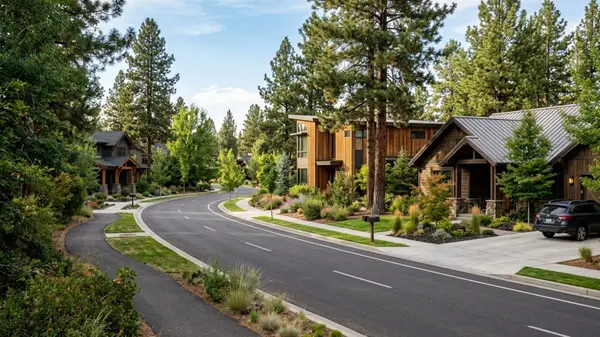
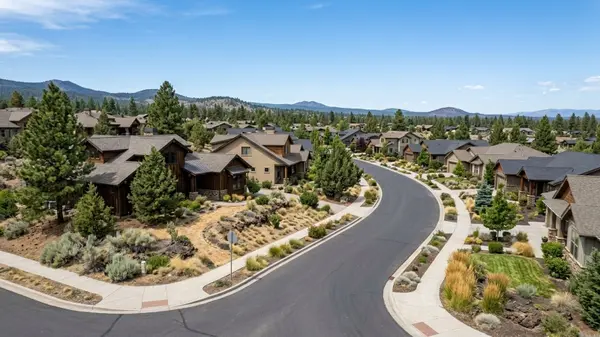
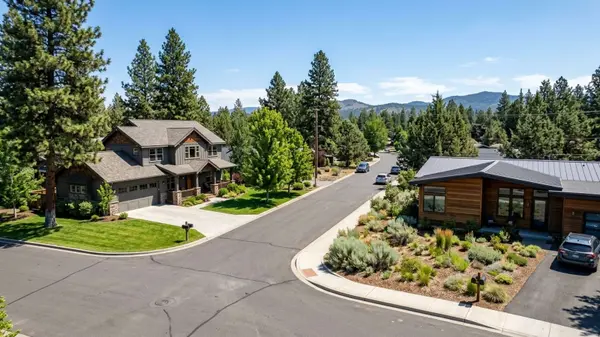
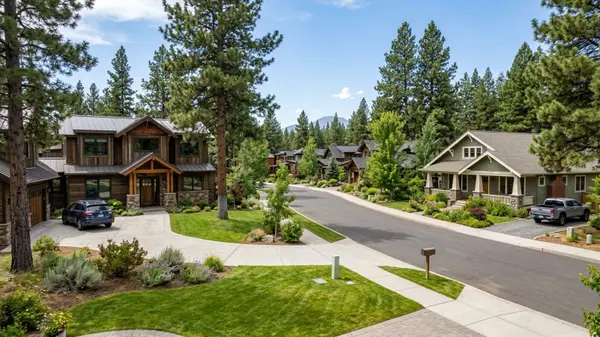
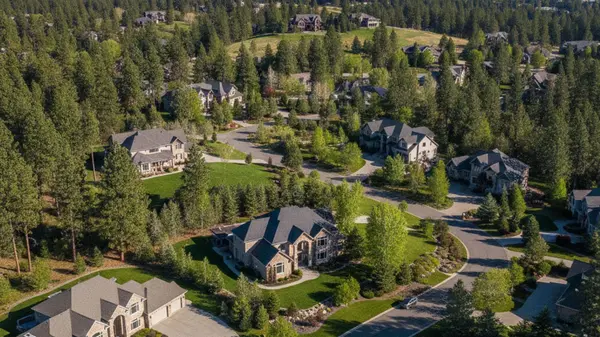
Northwest Crossing (NWX) is often the first place people look if budget allows. It is a master-planned community designed with walkability in mind. You have restaurants, schools, and parks all within a short stroll. The sidewalks are wide, the architecture is varied, and the proximity to the trails is unbeatable. The trade-off, of course, is price and lot size—you are paying for the location and the lifestyle, not a massive backyard.
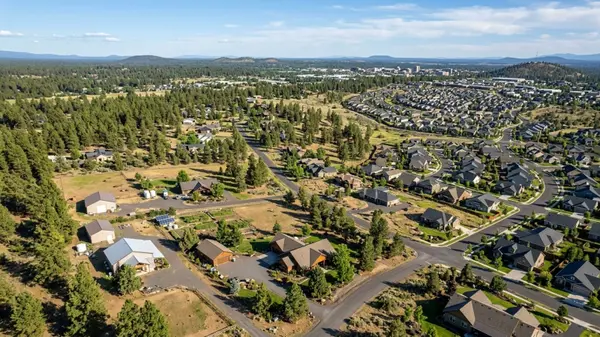
Southeast Bend offers a different vibe. This area often provides better value per square foot and larger lots. It has a quieter, more "local" feel, with mature trees and less tourist traffic. You are close to Pine Nursery Park, which is a massive draw for sports fields, fishing ponds, and off-leash dog areas. It is less walkable to downtown than the west side, but very livable.
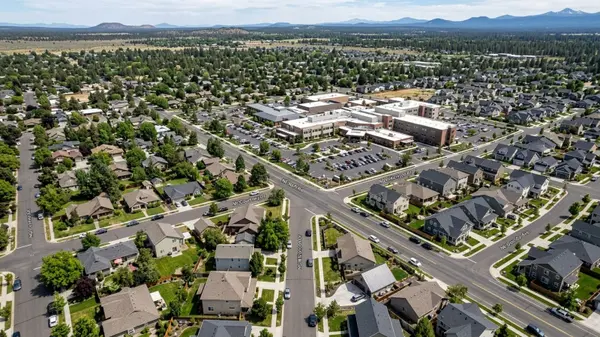
Northeast Bend is a strong value option. It places you near the medical center and major shopping hubs like Costco, which is a huge convenience factor. While it may lack the charm of the historic districts or the polish of NWX, it offers solid housing stock and efficient access to the rest of town.
Southwest Bend is known for its access to the river and the Old Mill District. It can feel a bit more tucked away, and some neighborhoods here have beautiful, established trees and quiet streets. It’s a great spot if you want to be near the water but still have a quick drive into the main commercial areas.
The Challenges: Smoke Season and Isolation
No place is perfect, and Bend has two major environmental factors you need to plan for. The first is "smoke season." Wildfires are a reality in the West, and typically between August and September, shifts in the wind can bring heavy smoke into the valley. Some years are clear, but others can bring weeks of hazardous air quality where outdoor play is impossible. Most locals invest in high-quality indoor air purifiers and check the AQI apps daily during late summer.
The second challenge is isolation. Bend is a high-desert island. You are about three hours from Portland, the nearest major metropolitan area. In the winter, the mountain passes can be treacherous or closed, meaning you are truly committed to being here. Additionally, while the population is growing, Bend is statistically less diverse than many other West Coast cities. This can be a culture shock for those moving from highly diverse metros, and it is something to consider regarding the cultural environment you want for your household.
Common Questions About Living in Bend
Is Bend Oregon expensive for a family of four?
Yes, it is generally considered expensive relative to local wages. Between median home prices near $750,000 and childcare costs averaging over $1,500 per month per child, a household of four needs a significant income to live comfortably.
What is the 'smoke season' in Bend?
Smoke season refers to the late summer months, usually August and September, when wildfire smoke from Oregon or California settles in Central Oregon. It can severely reduce air quality, sometimes keeping children indoors for days at a time.
Are Bend public schools good?
The Bend-La Pine School District is generally well-regarded and performs above many state averages, with an 85.8% graduation rate. Schools like Summit High and Highland Magnet have strong reputations, though experiences can vary by specific neighborhood attendance zones.
Which part of Bend is best for kids?
It depends on your priorities: Northwest Crossing offers high walkability to schools and parks but at a higher price point. Southeast Bend typically offers larger yards and quieter streets near Pine Nursery Park, which is great for sports and play.
Categories
Recent Posts