Moving to Central Oregon: Bend vs Redmond in 2026
Buyers looking at Central Oregon often find themselves comparing Bend, OR and Redmond, OR. Both cities offer immediate access to the Cascade Range and high desert landscapes, but their real estate markets operate at different price points.
Deciding between the two locations comes down to budget, daily commute routes, and the type of property you want to buy. The 17-mile stretch of US-97 separates the two municipalities, creating distinct housing options and lifestyle amenities in each.
Housing Market Prices and Property Types
The median home price in Bend sits between $735,000 and $790,000 as of mid-2026. Buyers looking in Redmond, OR will find a much lower entry point, with median prices ranging from $460,000 to $480,000. This price gap drives many regional home searches toward Redmond when buyers want to maximize their square footage.
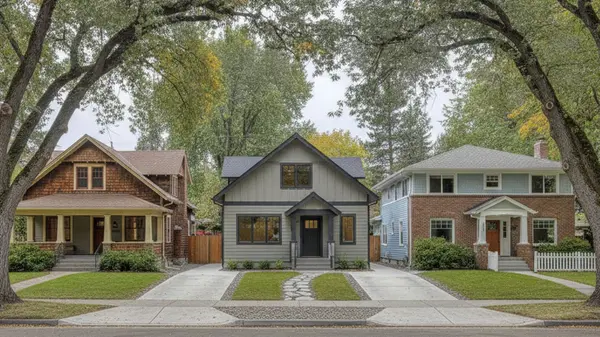
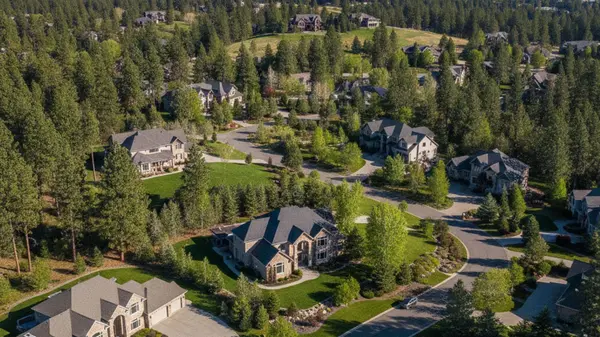
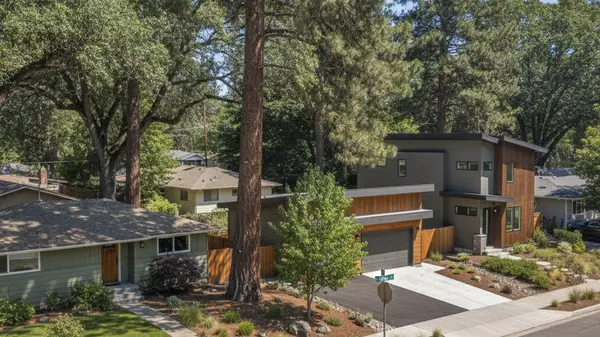
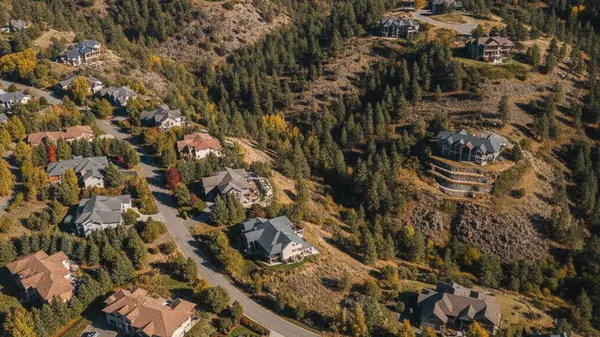
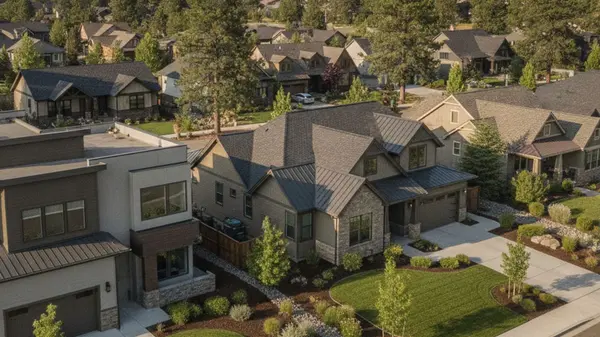
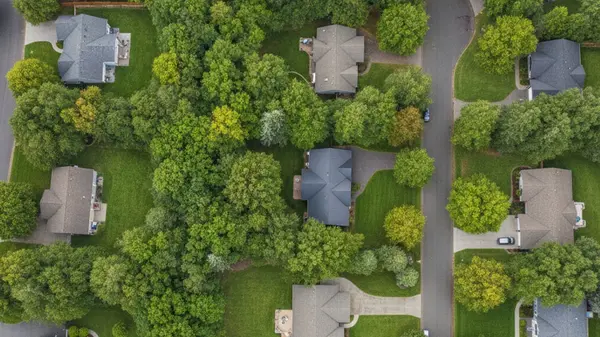
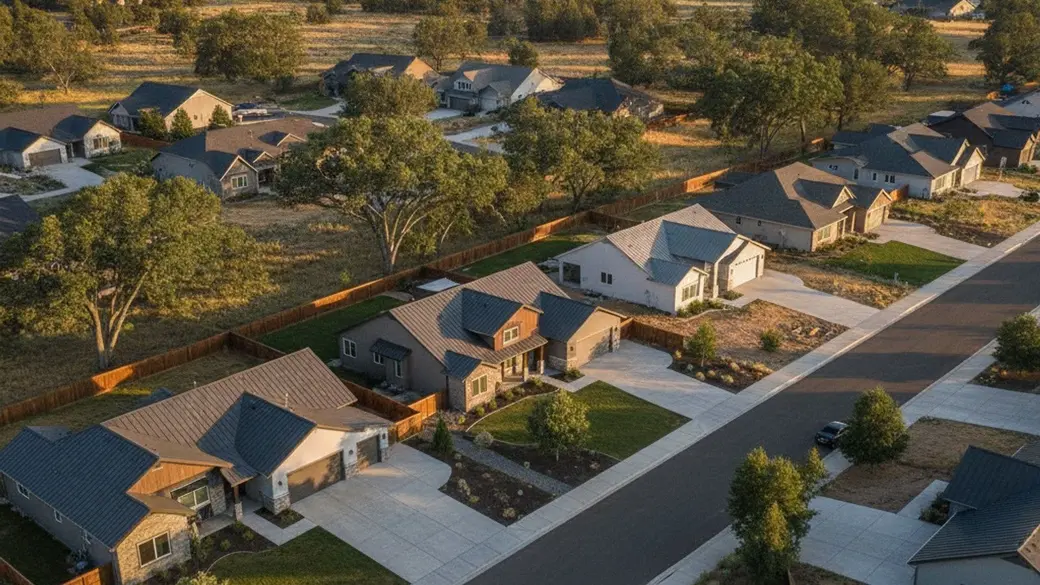
Property styles differ noticeably between the two cities. Bend features a mix of older, established neighborhoods near the center and newer infill properties that maximize limited lot space. Redmond offers more recent subdivision developments and properties with larger lot sizes.
Deschutes County assesses a median effective property tax rate of roughly 0.62 percent. Actual tax bills vary based on local municipal levies and the assessed value of the home. Because home values run lower in Redmond, buyers there typically pay less in total annual property taxes.
Buyers should factor homeowner association dues into their monthly housing costs. Many of the newer developments in Redmond carry monthly HOA fees that cover neighborhood maintenance. Bend also has HOA communities, though older neighborhoods near the center often operate without them.
Commute Times and Transportation Logistics
Driving between Bend, OR and Redmond, OR takes about 20 to 30 minutes under normal conditions. The route follows US-97, which serves as the primary north-south artery for Central Oregon. Commuters travel this highway daily for work, medical appointments, and shopping.
Winter weather alters this travel schedule. Snow and ice on US-97 slow traffic down, and drivers should plan for longer commute times from November through March. Increased population growth in the region has also added more volume to the highway during morning and evening rush hours.
Public transit is available through Cascades East Transit. This service connects both cities and provides an alternative to driving the US-97 corridor. The bus system operates regular routes, though most residents still rely on personal vehicles for daily errands.
Air travel logistics favor Redmond. Roberts Field, the Redmond Municipal Airport, sits entirely within Redmond's city limits. Bend residents must drive the 17 miles north to reach the terminal for commercial flights.
Local Amenities and Outdoor Recreation
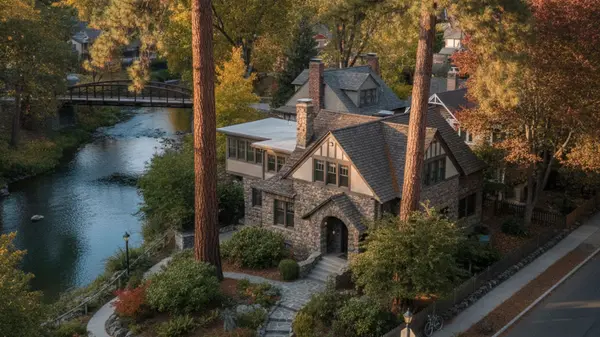
Bend provides immediate access to the Cascade Range and the Deschutes River. Residents frequently use Drake Park near the center of the city for walking and community events. The drive from Bend to the Mt. Bachelor ski area takes about 30 minutes during the winter months.
Redmond, OR offers its own distinct outdoor access. The city is located just a few miles from Smith Rock State Park, a primary destination for rock climbing and hiking. Within the city limits, the Dry Canyon trail system runs north to south, providing paved paths for walking and cycling.
Everyday amenities are plentiful in both locations. Bend features a dense collection of grocery stores, restaurants, and craft beer breweries. Redmond has expanded its commercial offerings in recent years, adding more dining options and large retail centers along its main corridors.
Schools and Education Infrastructure
The Bend-La Pine Schools district serves students living in Bend. This district covers a large geographic area stretching south toward Sunriver and La Pine. It operates multiple elementary, middle, and high schools within the Bend city limits.
Students in Redmond attend the Redmond School District. This district manages the educational facilities for the city and the surrounding rural areas. It includes two primary high schools and several feeder schools distributed across the local neighborhoods.
Buyers should verify exact school boundaries before making an offer on a home. District lines can shift, and a property's street address determines its specific school assignment. Local real estate listings usually display this information, but confirming with the district office is a smart step.
Frequently Asked Questions
How much cheaper is it to live in Redmond than Bend?
Buyers save around $275,000 to $310,000 on median home prices by choosing Redmond over Bend. This lower purchase price translates to smaller down payments and reduced monthly mortgage obligations. Property tax bills also tend to be lower due to the reduced assessed values.
How long is the commute from Redmond to Bend?
The 17-mile drive down US-97 typically takes 20 to 30 minutes. Drivers should expect this time to double during heavy winter snowstorms. Morning southbound traffic and evening northbound traffic will also add a few minutes to the trip.
Which city is closer to the airport?
Redmond is home to Roberts Field, the only commercial airport in Central Oregon. Residents living in Redmond, OR can reach the terminal in under 10 minutes. Travelers coming from Bend need to drive about 20 miles north to catch their flights.
Categories
Recent Posts