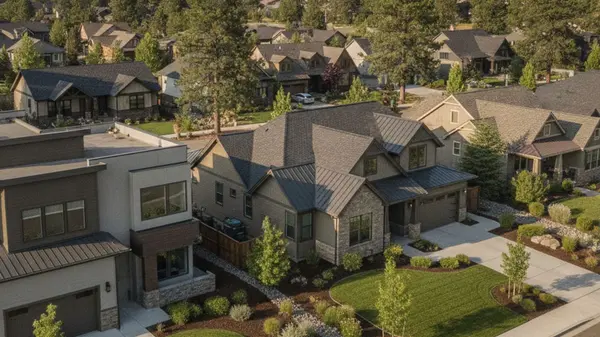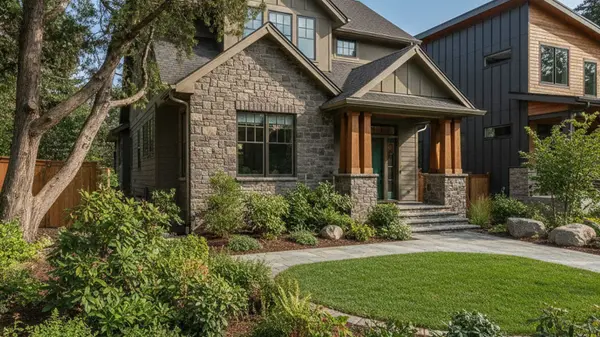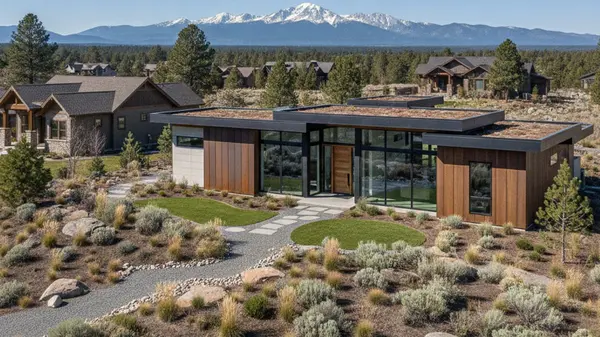
The Ultimate Guide for First-Time Home Buyers in Bend, OR
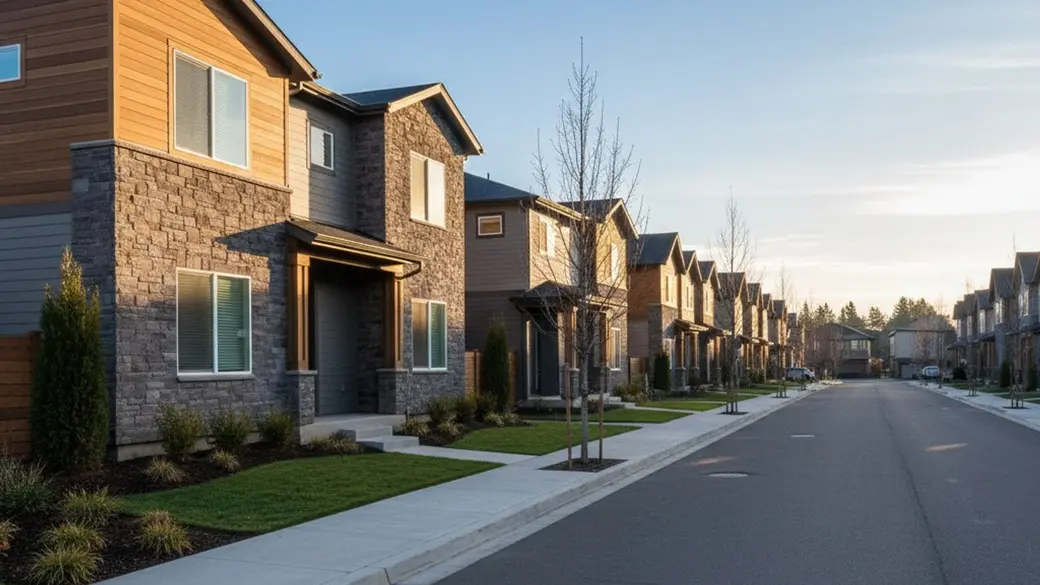
Let’s be real for a moment: living in Bend is the dream. You have the Deschutes River winding through town, Mt. Bachelor just up the road, and a brewery on seemingly every corner. But if you’ve been looking at Zillow lately, you also know the other side of that reality. The price tag.
With median home prices hovering around the $700,000 to $750,000 mark, making the leap from renting to owning in Deschutes County can feel intimidating. Many first-time buyers look at those numbers and assume they are priced out forever.
Here is the good news: You don't necessarily need a tech CEO’s salary or a mountain of cash to get your keys. Between state-level incentives and specific local programs designed for our market, homeownership is still achievable in 2026. This guide is going to walk you through exactly how locals are making it happen.
Is Buying in Bend Hard? Understanding the Market
If you asked me over coffee if buying a home here is "hard," I’d give you an honest yes—but with a major asterisk. The biggest hurdle right now is inventory, specifically for "entry-level" homes. Finding a move-in ready single-family home under $600,000 is competitive. You are often up against cash offers or investors who can move quickly.
However, the question you should really be asking is, "Is it worth it?"
When you rent in Bend, you are paying 100% interest—that money is gone the moment you sign the check. Even though the upfront costs of buying are high, Central Oregon real estate has historically seen strong appreciation. Buying here is about locking in your housing costs and building equity over time, rather than facing annual rent hikes. It requires patience and strategy, but the long-term payoff is usually worth the initial stress.
Financial Prep: The 30/30/3 Rule vs. Bend Reality
You might have read old financial advice about the "30/30/3 rule." This rule suggests you should spend no more than 30% of your income on a mortgage, have 30% of the home value saved in cash, and buy a home that costs no more than 3 times your annual income.
If you tried to apply that math to Bend, almost no one would ever buy a house here.
With a median household income around $80k–$90k and home prices near $750k, the "3x income" rule is obsolete. Local lenders know this. Instead of those outdated metrics, modern financing focuses on your Debt-to-Income (DTI) ratio.
Most lenders allow for a DTI of up to 45% or even 50% in some cases. This means if you have manageable monthly debts (like car payments or student loans), you can qualify for more house than the old textbooks suggest.
Your credit score is the other major gatekeeper. Generally, you’ll want a score of 620+ for a conventional loan. If your score is a bit lower, don't worry—FHA loans often accept scores down to 580. The key is to talk to a lender early so you know exactly where you stand before you fall in love with a listing.
Top Down Payment Assistance Programs in Bend (2026)
This is the most important part of your research. Many first-time buyers in Bend succeed by "layering" different assistance programs. You might combine a state loan with a local grant to cover your down payment and closing costs.
Oregon Bond Residential Loan Program
The Oregon Bond Residential Loan Program is a state initiative run by Oregon Housing and Community Services (OHCS). It is designed specifically to help first-time buyers get into the market. They generally offer two paths:
-
Cash Advantage: This gives you cash assistance (usually around 3% of the loan amount) to help with closing costs. The trade-off is a slightly higher interest rate.
-
Rate Advantage: If you have your own down payment saved up, this option offers a lower-than-market interest rate to keep your monthly payments down.
To qualify, you need to meet income limits. In Deschutes County, these limits are generous compared to other parts of the state. As of recent data, the limit for a 1-2 person household is approximately $125,640, and it goes up to roughly $146,580 for households of 3 or more. Always check with a lender for the exact current figures, as they change annually.
NeighborImpact Down Payment Assistance
On the local level, NeighborImpact is a powerhouse for Deschutes County residents. They offer a down payment assistance program that can be a game-changer.
This program typically functions as a "silent second" loan. They may lend you up to 20% of the purchase price to help you avoid Private Mortgage Insurance (PMI) and lower your monthly payment. The loan is fully amortizing, meaning you pay it back over time just like your main mortgage.
The target audience here is usually buyers earning up to 80% of the Area Median Income (AMI), though some funding sources allow for up to 120% AMI. A mandatory requirement here is homebuyer education—usually a course through GreenPath or a similar provider—which is honestly a great idea anyway.
RootedHomes & First Story: Non-Profit Alternatives
If the open market is strictly out of budget, you should look into alternative ownership models.
RootedHomes (formerly known as Kôr Community Land Trust) uses a community land trust model. Essentially, you buy the house, but the non-profit retains ownership of the land underneath it. This drastically lowers the purchase price. Their homes are also built to net-zero energy standards, which keeps your utility bills incredibly low.
First Story, often in partnership with Hayden Homes, offers a zero-down, zero-interest 30-year loan program. These homes are typically awarded through a lottery system to qualified applicants. It’s competitive, but for the families chosen, it is life-changing.
Step-by-Step: The Bend Home Buying Process
Once you have your financing strategy in place, the actual shopping begins. Here is what the workflow looks like locally.
-
Get Pre-Approved: Do not use a big box online lender. Use a local lender who understands the Oregon Bond program and local quirks. Listing agents in Bend trust local lenders more, which can help your offer get accepted.
-
Needs vs. Wants: You might want to walk to the Newport Avenue Market, but you might need a third bedroom. Westside homes command a premium for walkability. Eastside homes often offer more square footage and newer construction for the same price.
-
Home Inspection: This is critical in Central Oregon. Beyond the standard checks, you need to test for Radon. High radon levels are very common in our volcanic rock soil. You also want to check roof age (sun and snow take a toll here) and look for dry rot on siding.
-
Making the Offer: In a tight market, price isn't the only lever. Your agent might suggest an escalation clause (offering to beat competing bids by a set amount) or being flexible on the move-in date to sweeten the deal for the seller.
Best Bend Neighborhoods for First-Time Buyers
If you are looking for that elusive "starter home," specific pockets of town will yield better results than others.
-
Mountain View / Orchard District: These areas in Northeast Bend often feature older homes from the 70s and 80s. The trade-off for the age is often a much larger lot size, giving you room for a garden or a dog run.
-
Southeast Bend: If you prefer modern living, look near Jewell Elementary and the surrounding developments. Builders like Pahlisch and Hayden Homes have built extensively here. You get modern efficiency, though lots tend to be smaller.
-
Boyd Acres: Located in the north, this area offers a good mix of single-family homes and condos. It provides easy access to the parkway, making it great for commuting.
-
Redmond (The Alternative): If Bend prices are simply too high, don't rule out Redmond. It is only 15-20 minutes north, has a revitalized downtown, and your dollar goes significantly further.
Frequently Asked Questions
Does Oregon have a first-time home buyer program?
Yes. The primary state-level program is the Oregon Bond Residential Loan Program. It offers competitive interest rates and cash assistance for closing costs to eligible buyers who haven't owned a home in the last three years.
What is the minimum down payment for a house in Bend, OR?
It depends on your loan type. An FHA loan requires as little as 3.5% down. If you qualify for a VA loan or the USDA Rural Development loan (available in some outskirts), you could pay 0% down. Conventional loans typically start at 3% to 5% down.
Is it worth buying a house in Bend right now?
While interest rates and prices are high, buying is often still worth it for long-term stability. Rents in Bend are high and unpredictable. Buying locks in your monthly housing cost and allows you to build equity in a market that has shown consistent long-term growth.
What credit score is needed for first-time buyers in Oregon?
For a conventional loan, most lenders look for a credit score of 620 or higher. If you are using an FHA loan, you may be able to qualify with a score as low as 580. Higher scores will generally secure you a better interest rate.
Categories
Recent Posts