Retiring in the High Desert: A 2026 Guide to Bend
If you’re looking into retirement spots, you’ve probably noticed that Bend isn’t your typical retirement city. You won’t find rows of identical homes surrounding a bingo hall here. Instead, the vibe is distinctly adventurous. People come here to trade the recliner for a kayak and the TV remote for a pair of skis.
As we head further into 2026, the secret is definitely out. Bend has shifted from a quiet mill town into a premier destination for active retirees who want rugged beauty mixed with refined dining. However, navigating the local market can be tricky because the housing options don’t follow the standard "Del Webb" model you might see in Arizona or Florida.
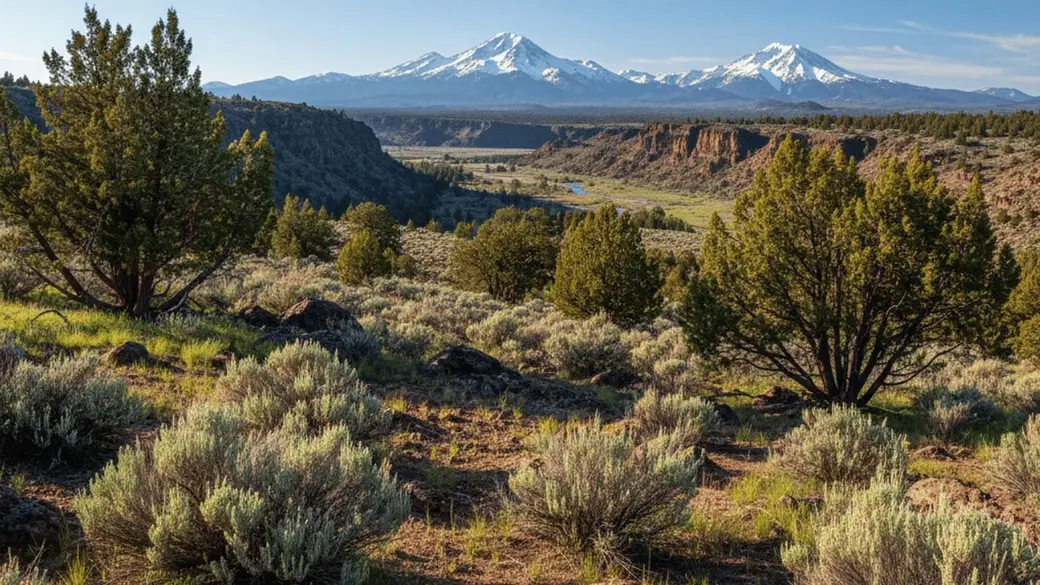
It’s important to understand the difference between the neighborhoods where you buy a home and the senior living communities where you rent and receive services. The market here is tight and pricing has hit a premium, but for those who love the high desert climate—with its 300 days of sunshine and snowy winters—the quality of life is hard to beat.
Top 55+ Active Adult Neighborhoods (Ownership)
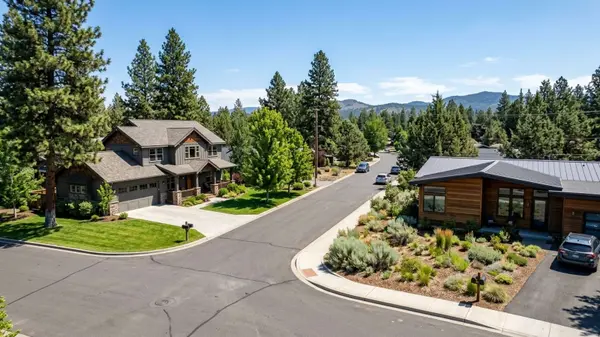
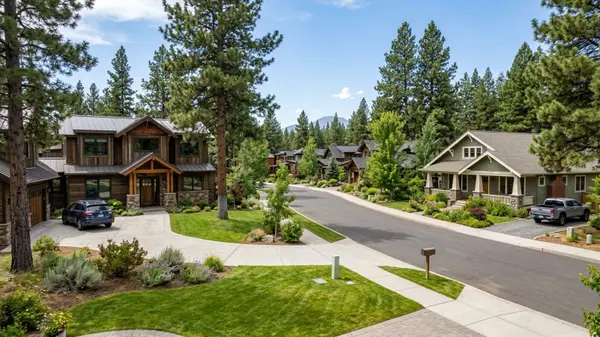
One of the first things I tell clients is that Bend doesn’t really have those massive "stick-built" 55+ subdivisions like Trilogy or Sun City. If you want to own your home in an age-restricted environment here, you are generally looking at luxury manufactured home communities operating on a land-lease model.
Cascade Village is the heavyweight in this category. It’s arguably the premier 55+ choice in the area. The community feels upscale, with a clubhouse, a pool, and plenty of pickleball action. The financial structure here is a land lease, which means you buy the home (often ranging from around $150,000 for older models to over $365,000 for new 2026 construction), but you pay a monthly rent for the lot. That monthly fee is currently hovering around $765, covering your water, sewer, and access to all those amenities.
For a quieter, more affordable option, you might look at The Four Seasons. It’s an older community, but it has a lot of charm with large, mature pine trees that give it a true Oregon feel. Home prices here are more accessible, often landing between $90,000 and $150,000, with space rent sitting close to $720 per month.
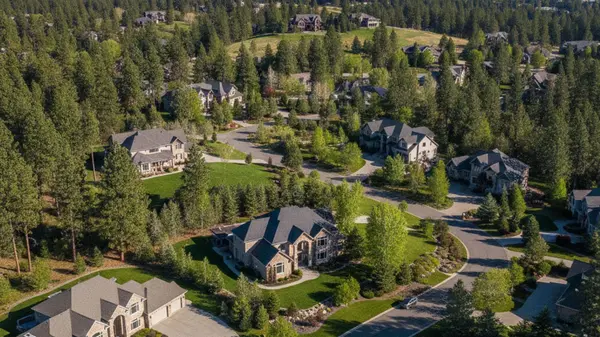
That said, many active adults who move here decide to skip the age restriction entirely. If you have the budget, you might prefer the lifestyle in resort communities like Tetherow, Broken Top, or Widgi Creek. These aren’t 55+ specific, but they attract a similar demographic because of the golf courses, social clubs, and maintenance-free townhome options.
Best Independent Living Communities (Rentals)
If you are looking to free yourself from property taxes and home maintenance entirely, the rental market for independent living has seen some impressive growth. These places are designed for people who are fully active but just don't want to deal with a yard anymore.
The Alexander is the standout for luxury. It feels less like a retirement home and more like a modern boutique hotel. They’ve got a pub, a cinema, and a very polished, resort-style atmosphere. It’s on the higher end, with studios starting around $2,650 and one-bedroom units pushing past $3,725 per month, but the amenities reflect the price tag.
For something with deep local roots, Whispering Winds is a perennial favorite. It’s located right near downtown, so you’re close to the action. They offer both apartments and cottages, which gives you a nice middle ground between a facility and a standalone home.
If you are budget-conscious, Stone Lodge offers a more all-inclusive model where utilities and meals are bundled into a reasonable rate. On the flip side, if you want zero care services and just want a cool place to live with other seniors, Affinity at Bend is a great choice. It operates more like a standard apartment complex for the 55+ crowd—no meal plans, just lower costs and plenty of neighbors your age.
Luxury & Continuum of Care: Touchmark at Mt. Bachelor Village
When we talk about aging in place, Touchmark at Mt. Bachelor Village is usually the first name that comes up. It sits right along the Deschutes River, offering direct access to the river trail, which is a huge perk for walkers and bird watchers.
What makes Touchmark unique is the continuum of care. You can start in one of their "Cottages" or "Lodge Homes," living a completely independent lifestyle. If your health needs change down the road, they have assisted living and memory care wings on the same campus. This is ideal for couples who might have different care requirements but want to stay together.
It is a premium community with a high barrier to entry. Costs can range from $2,500 for a simple studio to over $7,500 a month for larger units or higher levels of care. Because of the location and reputation, there is often a waitlist, especially for those river-view cottages.
Cost of Retirement Living in Bend (2026 Breakdown)
Let’s be honest about the numbers: retiring here requires a solid financial plan. The cost of living in Bend has risen over the last decade. The median listing price for a home sits around $730,000, which can be a shock if you are downsizing from a lower-cost area.
Because purchasing can be so capital-intensive, we’re seeing more retirees choose high-end rentals like The Alexander to keep their nest egg liquid. If you do buy, watch out for the hidden monthly costs. In the resort areas, HOA fees can be steep. In the 55+ parks, that land lease fee I mentioned (often $720–$800/month) is an expense that doesn't go away once the mortgage is paid.
On the bright side, the tax situation has a massive silver lining: no sales tax. That saves you a significant amount on big-ticket items like cars or furniture. However, Oregon does tax income, including most retirement income like pensions and 401(k) withdrawals, though Social Security remains exempt.
Healthcare Access for Retirees
Access to quality medical care is usually a top-three concern for my clients. Fortunately, Bend punches above its weight class here. St. Charles Health System is the main provider and operates a Level II Trauma Center right in town.
They have recently expanded their capacity with a new patient tower and increased ICU space, which has helped alleviate some of the bottlenecks we saw a few years ago. Specialist availability is generally good, though you might find wait times for very specific geriatric needs. For extremely specialized procedures, you are about a three-hour drive (or a quick flight from Redmond) to the major medical hubs in Portland, but St. Charles handles the vast majority of needs locally.
Lifestyle: Why Retirees Choose Bend
So, why pay the premium? It usually comes down to lifestyle. If you love the outdoors, this is paradise. You can play pickleball at Pine Nursery Park, walk miles along the Deschutes River Trail, or go fishing in high alpine lakes—all within minutes of your front door.
Culturally, Bend has matured. The Old Mill District offers great shopping and walking paths, and the Tower Theatre hosts concerts and films year-round. For social connection, the Larkspur Community Center—home to the Bend Senior Center—is a fantastic hub. It opened back in 2021 and still feels brand new, offering everything from fitness classes to social clubs.
You also get four distinct seasons here. Winters are snowy, yes, but they are often sunny and crisp rather than gray and gloomy. Summers are warm and dry, with practically zero humidity.
Pros and Cons of Retiring in Bend
Before you pack the moving truck, it’s fair to look at the whole picture.
The Pros:
- World-class access to nature and outdoor recreation.
- Zero sales tax keeps daily spending down.
- A safe, clean city with high-quality healthcare infrastructure.
- A dry climate that is often easier on joints than humid coastal areas.
The Cons:
- Housing and general living costs are significantly higher than the national average.
- Smoke season: Late summer often brings wildfire smoke, which can be tough if you have respiratory issues.
- Winter driving can be challenging if you aren't used to snow and ice.
- While the Redmond airport is convenient, it’s smaller, so you’ll often connect through Seattle, SF, or Denver for international travel.
Frequently Asked Questions
What is the average cost of independent living in Bend, Oregon?
Prices vary widely based on amenities, but you can generally expect to pay between $2,600 per month for a basic studio and upwards of $4,500 per month for a one-bedroom in a community with full services and meals. Luxury options like The Alexander or Touchmark will run higher than that average.
Are there 55+ communities in Bend where you own the land?
Generally, no. Most dedicated 55+ communities in Bend, like Cascade Village, operate on a land-lease model where you own the home but rent the lot. If you want to own the land underneath your home, you will likely need to look at non-age-restricted neighborhoods or resort communities.
Does Oregon tax retirement income?
Yes, Oregon generally taxes income from pensions and retirement accounts like 401(k)s and IRAs. The good news is that Social Security benefits are exempt from state income tax, which helps offset the cost.
How is the healthcare in Bend for seniors?
Healthcare is quite strong for a city of this size. St. Charles Bend is a Level II Trauma Center with over 300 beds and has recently expanded its facilities. While most specialists are available locally, some highly complex cases may require a trip to Portland.
Categories
Recent Posts