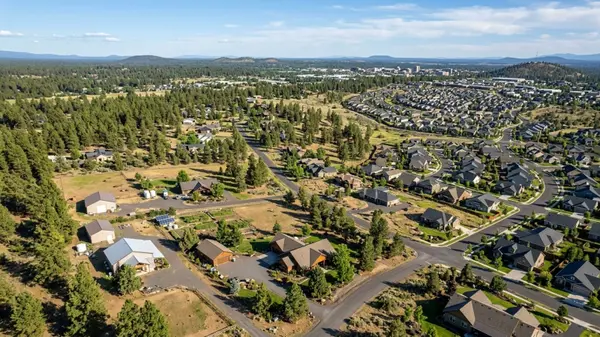
Building from Scratch: How to Build My Own Home in Bend OR in 2026
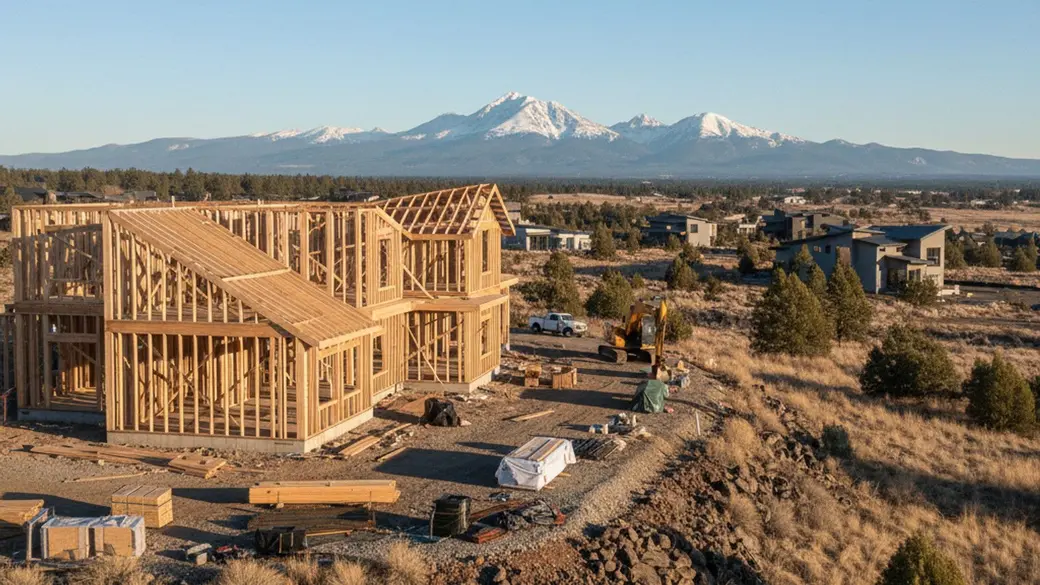
Central Oregon continues to draw buyers looking for specific architectural styles and unobstructed mountain views. Many eventually ask themselves if they should purchase an existing property or start from scratch. Choosing to build my own home in bend or requires a firm grasp of local land costs, county permitting, and construction timelines.
The current real estate market in Deschutes County presents unique challenges for new construction. Securing a vacant lot over existing homes for sale in Bend and hiring a reliable custom home builder involves navigating strict zoning laws and high-desert climate considerations. This guide outlines the financial realities of bringing a custom dream home floor plan to life in 2026.
Is It Cheaper to Buy or Build a Custom Home in Bend, Oregon?
Comparing the median price of existing homes to new construction reveals a distinct financial gap in the current market. Buyers purchasing an existing property often pay a premium for immediate occupancy. Building a custom home requires a higher upfront investment but allows you to control energy efficiency and material quality.
The average cost to build in Central Oregon currently ranges from $250 to over $400 per square foot. A standard 2,000-square-foot floor plan typically runs between $500,000 and $800,000 before factoring in the cost of the land.
High-end finishes, specialized labor, and custom timber work will quickly push your budget toward the higher end of that spectrum.
Ultimately, constructing a new home rarely offers a cheaper alternative to buying an existing house in the short term. However, the long-term value of a custom build easily outweighs the initial sticker shock. You avoid costly renovations and secure a layout perfectly tailored to your daily routine.
Navigating Land Acquisition and Zoning in Deschutes County
Securing the right piece of land dictates everything from your total project budget to the final architectural design. Vacant lot prices fluctuate dramatically based on zoning, acreage, and proximity to the city center. Expect approximate land costs to range from $150,000 for smaller parcels up to $600,000 or more for premium acreage.
Lots located within the Bend city limits offer easier access to municipal utilities but often come with stricter design guidelines. Conversely, building in unincorporated Deschutes County or neighborhoods like Awbrey Butte and Tetherow might require extensive grading and private septic systems. Evaluating soil composition early on prevents expensive excavation surprises when you break ground.
Local homeowners associations also play a major role in what you can legally construct. Many communities enforce rigid architectural standards that govern exterior colors, roof pitches, and landscaping materials. Reviewing these covenants alongside county zoning laws ensures your proposed layout aligns with neighborhood regulations.
Securing Residential Building Permits and Utility Connections
The bureaucratic process of preparing a lot for construction requires patience and precise documentation. Submitting site plans to the Deschutes County Community Development department initiates a lengthy review period. Establishing essential utility connections for water, sewer, and electricity must be coordinated well before pouring the foundation.
Prospective builders must account for local impact fees before any physical work begins on the site.
-
System Development Charges (SDCs) and local utility hookup fees typically add $15,000 to $30,000 to your overall budget.
-
The county requires phased inspections at critical milestones, from the initial foundation pour to the final occupancy sign-off.
-
Permit fees scale based on the 2026 fiscal year valuation of your specific residential project.
Designing Your Floor Plan for the High-Desert Climate
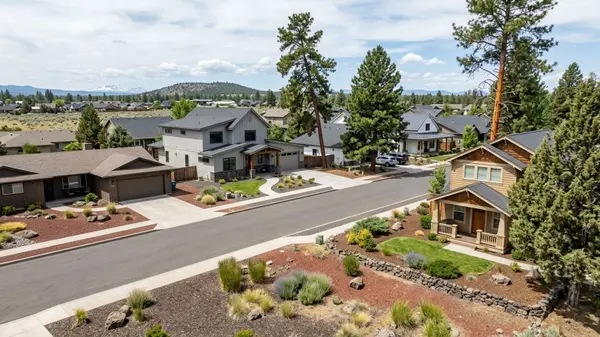
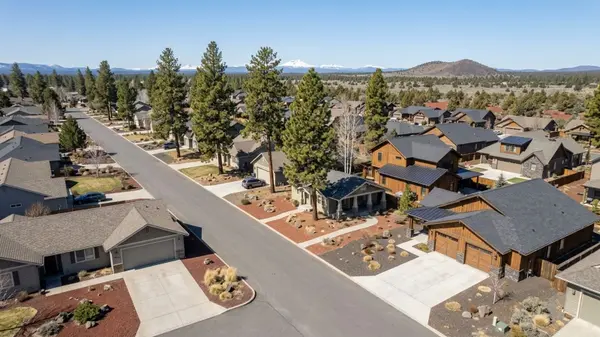
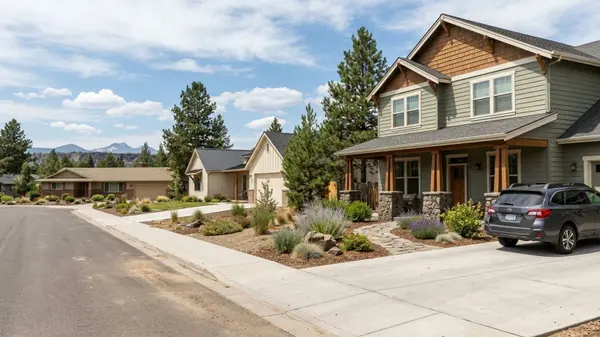
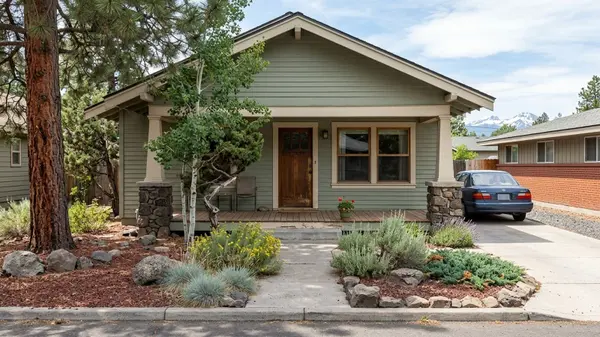
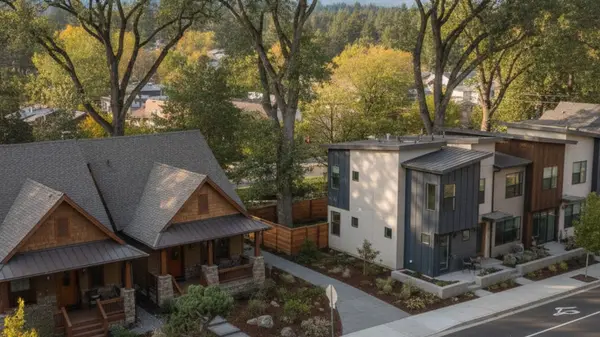
Central Oregon experiences distinct seasonal shifts that demand specific architectural considerations. Popular property types in the area include high-desert modern designs, Northwest craftsman styles, and traditional timber lodges. An open-concept layout maximizes natural light during short winter days while capitalizing on expansive mountain views.
Constructing a resilient home requires high-grade insulation and specialized window treatments to handle heavy winter snow and intense summer heat. Incorporating energy-efficient HVAC systems reduces your reliance on the grid. Choosing heavy-duty roofing materials protects the structure from frequent freeze-thaw cycles.
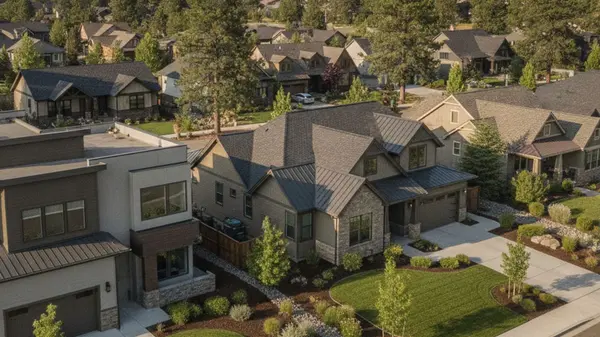
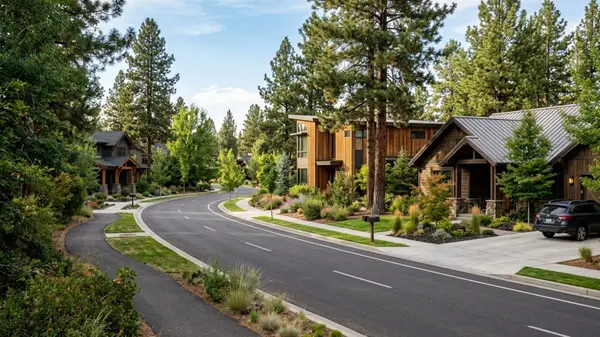
Exterior material choices should naturally blend with the rugged landscape of the region. Natural stone facades, heavy timber accents, and fire-resistant siding offer both aesthetic appeal and practical durability.
Evaluating Bend’s Infrastructure and Local Amenities
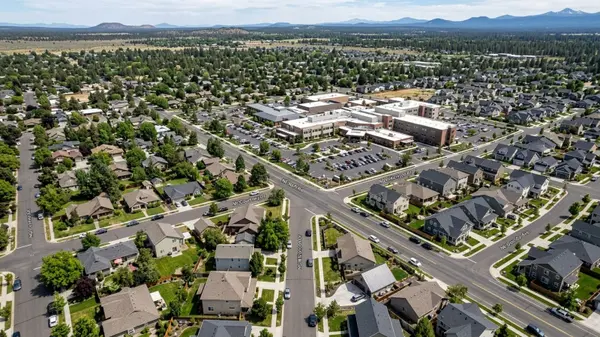
Understanding the surrounding infrastructure helps buyers select a lot that aligns with their daily commute and essential needs. Traffic patterns along US-97 influence travel times between central neighborhoods, Redmond, and Sunriver. Proximity to major thoroughfares dictates how quickly you can navigate the region.
Access to medical facilities and educational institutions remains a priority when evaluating different geographic areas. St. Charles Medical Center serves as the primary healthcare hub on the east side of the city. Properties within the Bend-La Pine Schools district are subject to specific boundary lines that dictate school assignments based on physical distance.
The region provides extensive access to public outdoor amenities and recreational infrastructure. The Deschutes River Trail offers miles of maintained pathways intersecting with various public park systems. Driving to Mt. Bachelor typically requires a 30-minute commute from the west side of the city via the Cascade Lakes National Scenic Byway.
Selecting the Right Custom Home Builder in Central Oregon
Hiring a reliable general contractor or design-build firm ensures your project stays on schedule and within budget. Prospective buyers should prioritize professionals with a licensed history, transparent pricing structures, and verifiable craftsmanship. Always verify a contractor's active standing with the Oregon Construction Contractors Board before signing an agreement.
A collaborative design team can streamline the entire construction process from the initial concept to the final walkthrough. Reviewing a builder's portfolio of recent custom homes provides insight into their stylistic range. Requesting references from past clients helps confirm their ability to manage complex timelines.
Vetting a builder's established relationships with local trade partners is the single best way to prevent supply chain delays.
Contractors with a reliable network of plumbers, electricians, and framers rarely struggle to keep a project moving forward. Strong local connections ultimately translate into a smoother build and a higher quality finished product.
Frequently Asked Questions
How long does it take to build a custom home in Bend, Oregon?
A standard custom build typically takes 12 to 18 months from the initial design phase to final move-in. This timeline accounts for architectural drafting, county permitting, site preparation, and the physical construction process. Winter weather in Central Oregon can occasionally delay foundation pouring and exterior framing.
Is $200,000 enough to build a house in Bend?
No, $200,000 is not a realistic budget for constructing a new home in the current local market. With average building costs starting around $250 per square foot, a modest 1,500-square-foot house requires at least $375,000 for construction alone. You must also factor in land acquisition, which easily adds another $150,000 to $600,000 to the total cost.
Can you design a home that takes advantage of mountain or river views?
Yes, architects frequently design custom floor plans to maximize the visual impact of the surrounding landscape. Strategic window placement, elevated decks, and open-concept living areas allow you to capture views of the Cascade Range or the Deschutes River. The specific orientation of the house will depend heavily on your lot's topography and local zoning height restrictions.
Categories
Recent Posts