Mastering Pricing Strategies in Bend OR for 2026 Sellers
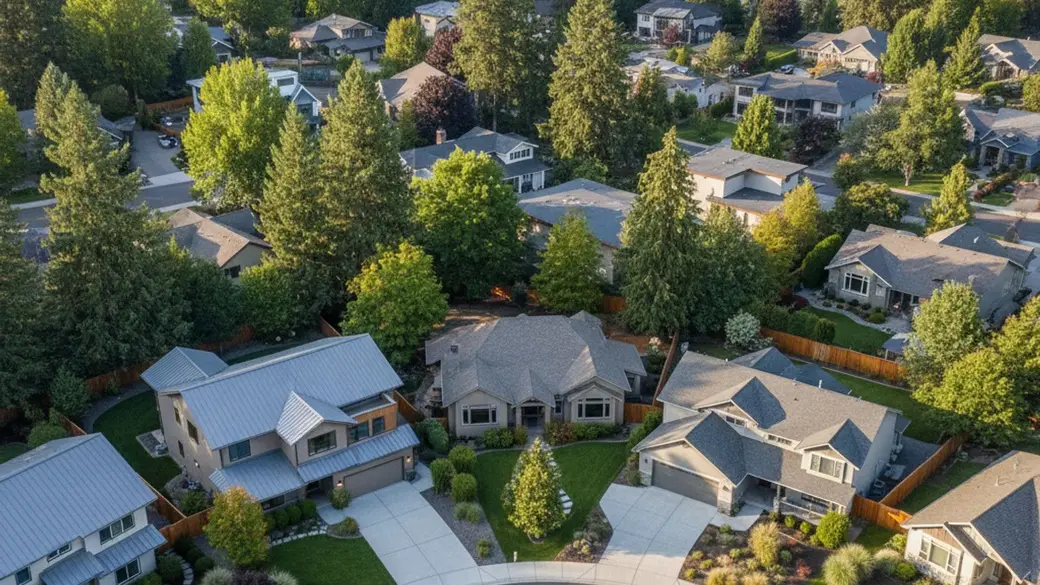
Selling a home in Central Oregon requires a sharp understanding of current buyer behavior. The days of listing a property at an aspirational number and watching multiple offers roll in over a single weekend are firmly behind us. Today, buyers are highly educated on local values and heavily influenced by the carrying costs associated with modern interest rates.
To succeed in this environment, homeowners must adopt a strategic approach from the very first day their listing goes live. Establishing the right asking price is the single most important factor in attracting serious buyers and maximizing your final net return. Understanding how to navigate local inventory levels and buyer expectations will set the foundation for a successful transaction.
The 2026 Landscape of the Bend Real Estate Market
The local housing market has officially shifted from the historic frenzy of previous years into a much more balanced environment. Sellers must adjust their expectations to align with the current reality of buyer demand.
The median home price in Bend currently sits approximately between $685,000 and $725,000. This price point heavily dictates buyer expectations, meaning properties listed in this range must be in excellent condition to justify the investment. Buyers looking at homes for sale in Bend are carefully scrutinizing every detail before committing to a purchase.
Current interest rates have a direct impact on buyer purchasing power across Central Oregon. As monthly payment costs remain a primary concern, we are seeing a significant increase in buyers requesting seller concessions to buy down their mortgage rates. Offering these concessions can often be more effective than simply dropping the asking price.
Properties are now spending an average of 55 to 67 days on the market before going under contract. The current list-to-sale ratio hovers around 96.5% to 97.8%, indicating that most homes are selling slightly below their original asking price. My strongest advice for sellers is to plan for a longer marketing period and trust that patience, combined with accurate pricing, yields the best results.
Why a Data-Driven Comparative Market Analysis Matters
Guessing your home value based on neighborhood hearsay or automated online estimates is a recipe for frustration. You need objective, hyper-local data to establish a realistic baseline for your property.
A Comparative Market Analysis involves evaluating recent closed sales within your specific Bend zip code. Looking at active listings only shows you what other sellers are hoping to get, whereas closed sales reveal what buyers are actually willing to pay. This historical data is the only reliable metric for establishing a competitive baseline.
Objective property features ultimately dictate where your home falls within the comparable sales data. Square footage, lot size, and the overall age or condition of the home are the primary factors appraisers will use to verify the value. Sellers must objectively compare their property to recent sales without letting emotional attachment inflate the numbers.
Precise location within Central Oregon drastically impacts your final valuation. Proximity to local amenities like the Deschutes River, Mount Bachelor, local parks, and the Bend-La Pine school district can add significant value to a property. A comprehensive market analysis is only truly valuable when it accounts for these hyper-local geographic nuances.
Proven Pricing Strategies for Bend Home Sellers
Positioning your property competitively requires more than just picking a number that sounds good. You must understand pricing psychology and how modern buyers navigate digital real estate platforms.
Active inventory in Deschutes County currently sits at approximately 3 to 4 months of supply. This metric indicates a relatively balanced market, meaning your home will be competing directly against several similar listings. Adjusting your price based on the exact number of competing homes in your neighborhood is essential for standing out.
Navigating buyer financing challenges is another crucial component of a modern pricing strategy. Nearly 40% of recent local sales involved some form of seller concessions. Offering a financial credit to help a buyer secure a lower interest rate is often a much stronger strategy than taking a massive upfront price reduction.
Pricing Just Below Milestone Brackets
Real estate portals like the local MLS and major consumer sites categorize searches by strict numerical brackets. Buyers typically filter their searches in $25,000 or $50,000 increments. If you price your home outside of these common search parameters, you will automatically be hidden from a massive pool of potential buyers.
Consider a scenario where a property is valued around the mid-seven hundreds. Pricing the home at $749,000 captures everyone searching up to the $750,000 milestone threshold. Listing that exact same home at $755,000 eliminates all of those buyers, drastically reducing your showing volume and overall perceived value.
The Risks of Overpricing Your Property
A common misconception among homeowners is that you should always price high to leave room for negotiation. In today's market, this traditional tactic is actually the fastest way to damage your sale.
Overpricing immediately alienates serious buyers who are shopping within strict pre-approval limits. These buyers are incredibly educated on local values and will simply skip over a listing that appears disconnected from reality. Starting with an inflated number creates several distinct disadvantages for sellers:
-
Market Stigmatization: Homes that linger on the market for extended periods lead buyers to assume there is a hidden defect.
-
Diminished Returns: The average sale-to-original-list price ratio for overpriced homes drops to approximately 93% to 94%.
-
Appraisal Roadblocks: Financed sales will ultimately be blocked by the lender if the property fails to appraise at the inflated asking price.
Avoiding these pitfalls requires a commitment to realistic pricing from day one. An accurately priced home generates immediate interest, which is the absolute best leverage a seller can have during negotiations. Overpricing is simply the fastest way to leave money on the table.
Frequently Asked Questions
How do local market trends affect pricing strategy in Bend, Oregon?
Fluctuations in local inventory and interest rates dictate how aggressively you need to price your home. Higher inventory levels force sellers to price more sharply to stand out among the 3 to 4 months of available supply. When interest rates rise, buyers become much more sensitive to high asking prices and monthly carrying costs.
Should I price high to leave room for negotiation?
Padding your asking price is highly counterproductive in a balanced market. Buyers are educated on local values and will simply skip overpriced listings rather than submitting a lower offer. Competitive pricing is significantly more likely to generate strong initial offers and maximize your final return.
What is the most profitable pricing strategy?
Pricing exactly at or slightly below market value consistently generates the highest net return by minimizing days on market. Avoiding extended carrying costs and multiple price reductions preserves your hard-earned equity. Properties priced accurately from the start often sell closer to the $685,000 to $725,000 median range without the need for steep discounts.
Categories
Recent Posts