Options to Sell Your House Fast in Bend, OR
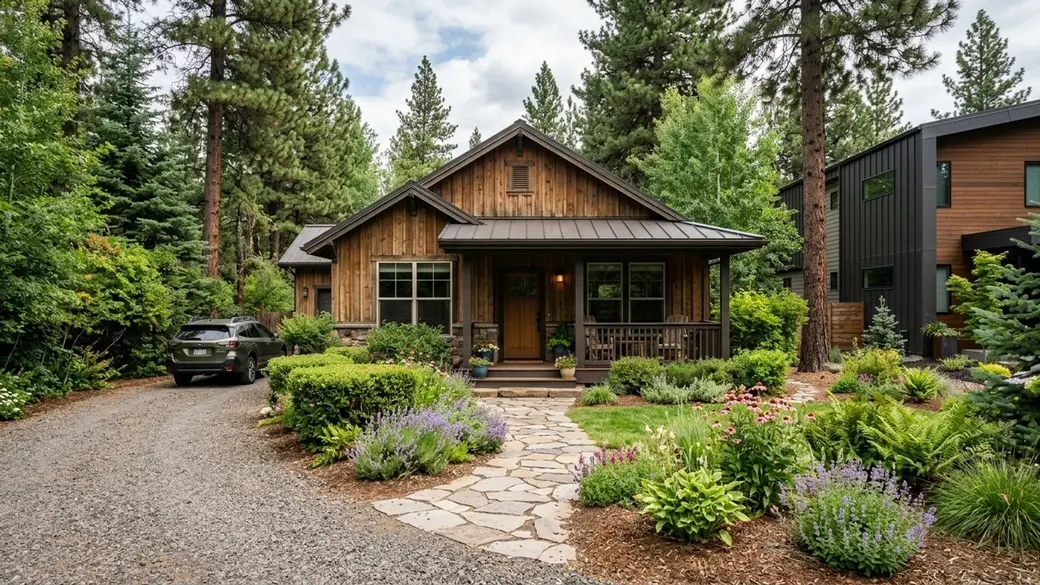
The median home sale price in Bend, OR is currently around $699,000. According to a recent Bend Oregon real estate guide, the local market stays active, but a traditional listing takes an average of 36 days to go under contract - and then buyer financing adds another month to the clock. If you need to move quickly, or you'd rather not spend money preparing a property for the market, the standard listing process may not be the right fit.
Selling for cash lets you bypass the traditional buyer pool entirely. No staging, no repairs, no open houses. It works especially well for inherited properties, homes that need updates, or situations where the timeline just can't stretch to three or four months. You can request a cash offer for your house in Bend and close on a schedule that matches your life.
Selling Your Property Off-Market in Bend, OR
Because cash buyers don't rely on bank financing, there's no risk of a loan falling through two days before closing. The transaction moves directly to the local title company without waiting on a lender's underwriting department.
That matters more than people expect. A direct sale removes the open-market uncertainty - weeks of showings, competing offers that fall apart, buyers who get cold feet. Instead, you receive a straightforward proposal based on what the property looks like right now. The evaluation focuses on structural and foundational value, not whether the paint color is current.
For sellers who want to avoid the friction of standard real estate transactions, this route keeps things simple. You don't make repairs, schedule contractors, or clear out the place for professional photography.
Getting a Direct Cash Offer
The evaluation looks at the core aspects of the property - roof, HVAC system, lot size, and overall layout - to determine a fair cash value based on comparable neighborhood sales. Cosmetic updates aren't part of the calculation.
You don't need to clean the house or fix minor issues before this review. The offer accounts for the current state of the property. You sell the house exactly as it sits today.
Speeding Up the Closing Timeline
A cash transaction can typically close in days, not months. Without mortgage underwriting in the picture, the timeline depends entirely on how quickly the title company can prepare the paperwork and clear the title.
You control the schedule. Need to finalize the sale by next week to relocate? The process can be expedited. Need a few extra weeks to pack? Set the closing date further out. Either way, you decide.
Cash Buyers Compared to Traditional Listings
Selling traditionally in Oregon typically costs the seller 6% to 10% of the final sale price in real estate agent commissions, closing costs, and concessions. On a median-priced Bend home of $699,000, that's easily $40,000 to $60,000 off the top before you see your net proceeds.
Cash buyers generally cover most or all of the typical seller closing costs, and there are no agent commissions. The offer amount is the offer amount - the math is simple from day one.
The timeline difference is just as significant. The Bend market currently sees homes sitting for roughly 36 days before finding a buyer, then escrow adds another 30 to 45 days on top of that. A direct cash sale condenses the entire window into a few weeks or less.
Selling Your Home As-Is
A traditional listing almost always triggers a home inspection, which tends to produce a long list of buyer repair demands. If you decline to make the repairs, the buyer can walk - and now you're back to square one with a listing that's been sitting long enough for buyers to wonder why.
Selling as-is in Bend means the buyer takes on all future repairs and renovations. You can leave behind unwanted items, and the buyer handles the cleanup and disposal after closing.
Comparing Fees and Out-of-Pocket Costs
A traditional sale involves several deductions from your final payout. When you're running the numbers, factor in:
- Agent Commissions: Typically 5% to 6% of the final sale price.
- Closing Costs: Title insurance, escrow fees, and local taxes that usually total another 1% to 4%.
- Holding Costs: Mortgage, utility, and property tax payments made while the home is still sitting on the market.
A cash offer removes those variable expenses. The number you agree to is the number you receive at closing, minus any existing mortgage payoff or property taxes owed up to the closing date.
Deschutes County and Central Oregon Service Areas
Bend spans several distinct zip codes - 97701, 97702, and 97703 - and cash buyers purchase properties across all of them, from the historic districts to newer subdivisions.
Coverage doesn't stop at the city limits. Whether you're in the 97702 area or elsewhere in Deschutes County, local cash investors are actively looking for properties and understand the specific zoning, lot sizes, and neighborhood dynamics of Central Oregon. You can request a cash offer for properties located throughout the broader Central Oregon region.
Frequently Asked Questions
How fast can I sell my house in Bend?
You can typically close a cash sale in a matter of days. Because cash buyers don't need mortgage underwriting, the timeline only depends on the local title company clearing the paperwork. Traditional listings currently average 36 days on the market before going under contract.
Can I sell my house as-is in Bend, OR?
Yes, you can sell your home exactly as it stands. Cash buyers purchase properties without requiring you to make repairs, update systems, or even clean out unwanted belongings.
How do cash home buyers in Bend determine their offer?
Buyers calculate their offer based on the current condition of your property and recent sales in your specific neighborhood. They factor in the estimated costs of any repairs or renovations they'll need to complete after closing.
Are there any fees to sell my house fast in Bend?
Direct cash sales generally don't involve real estate commissions, and buyers often cover standard closing costs. By comparison, traditional sellers in Deschutes County typically pay 6% to 10% of the final sale price in fees and commissions.
Is it better to get a cash offer or list with a real estate agent in the Bend market?
It depends on your timeline and the condition of the home. If your home needs extensive repairs or you need to move immediately, a cash offer is faster and simpler. If your home is in pristine condition and you have months to wait, a traditional listing might yield a higher top-line price.
Do you only buy houses in Bend, or do you purchase in surrounding Central Oregon areas too?
Purchases cover the entire Bend area, including the 97701, 97702, and 97703 zip codes, as well as the broader Deschutes County and Central Oregon region.
Am I obligated to accept the cash offer on my Bend home once I receive it?
No. You review the proposed price, compare it to your other options, and decide whether the numbers and timeline work for your situation. No obligation.
Do I need to renovate my house before selling it for cash?
You do not need to spend money on cosmetic updates or major repairs before requesting a direct offer. While traditional sellers often complete renovations to increase home value in Bend, direct buyers purchase the property exactly as it sits today. This saves you the hassle of scheduling contractors and managing construction projects.
What factors determine the cash offer for my house?
Investors look at the core structural aspects of your home, including the roof, HVAC system, and overall layout. They complete a property valuation in Bend by comparing these features against recent neighborhood sales. The final number accounts for the current condition without requiring you to make any repairs.
Categories
Recent Posts