Property Valuation Bend OR: A Complete Guide for Buyers and Sellers in 2026
Navigating the Central Oregon real estate market requires a clear understanding of what a home is truly worth. Whether you are preparing to list a house, looking at homes for sale in Bend, or negotiating a purchase, getting an accurate property valuation in Bend, OR is a critical step in the process. The local market moves quickly, and relying on guesswork can lead to costly mistakes at the closing table.
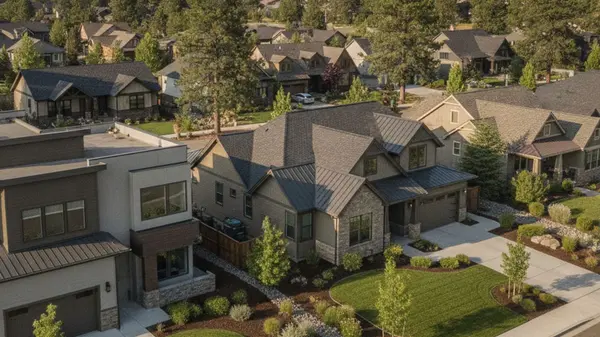
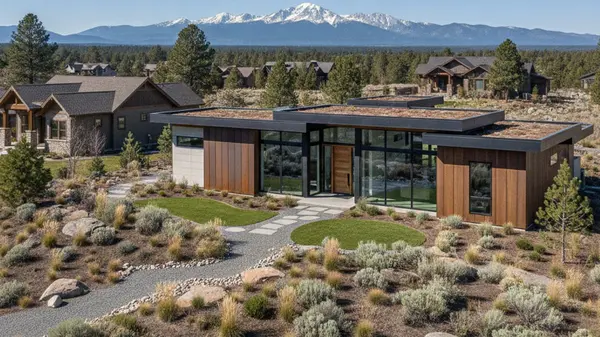
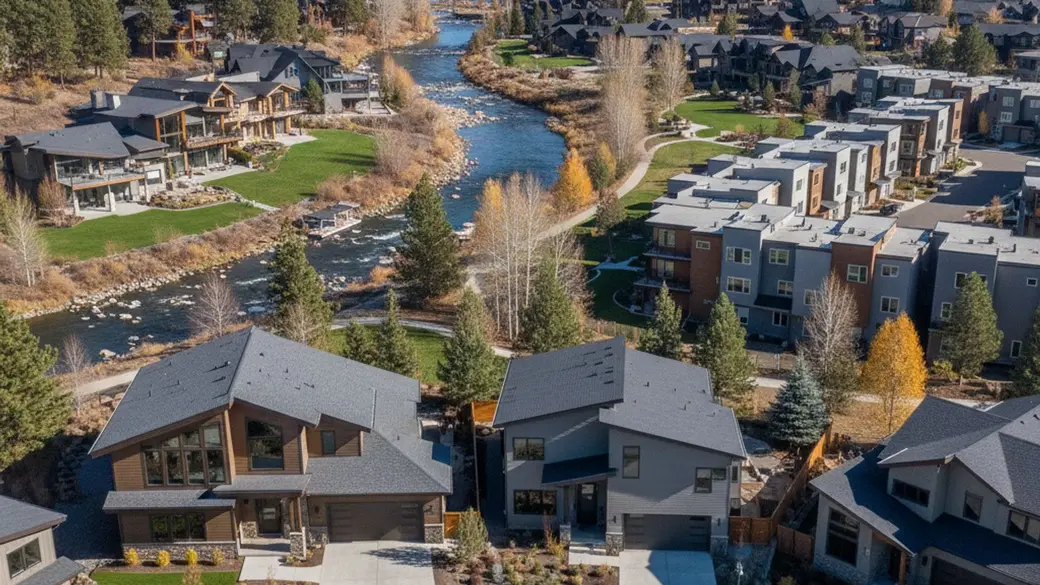
Bend features a highly specific landscape of mountain properties, riverfront estates, and dense townhome communities. This geographic diversity means that standard valuation formulas often fall short. A thorough, professional approach to pricing ensures you are making decisions based on hard data rather than neighborhood rumors.
Understanding the current market value also helps homeowners make informed decisions about refinancing or funding major renovations. When you know exactly where your property stands, you can leverage your equity more effectively. This guide breaks down exactly how homes are valued across Deschutes County this year.
Understanding Property Valuation in Bend, OR
A professional property valuation looks beyond basic square footage to determine a home's exact standing in the Central Oregon market. It requires analyzing local sales data, property conditions, and neighborhood-specific trends.
Buyers and sellers often confuse a standard comparative market analysis with a certified home appraisal. A comparative market analysis is typically prepared by a real estate agent to estimate a listing price based on recent neighborhood sales. A certified appraisal is a formal, legally binding document required by mortgage lenders to confirm the property secures the loan amount.
Both methods serve a distinct purpose, but they carry different weights during a residential real estate transaction. Agents look at market velocity and buyer demand to find a competitive price point that will attract offers. Appraisers follow strict regulatory guidelines to protect the bank's financial interest in the property.
Relying solely on automated online valuations is one of the fastest ways to misprice a home in unique mountain communities like Bend. Algorithms cannot account for custom builder upgrades, the specific angle of a Cascade mountain view, or the nuances of winter road access. A local expert's physical walkthrough will always provide a more reliable number than a national website's automated estimate.
Objective Factors Influencing Property Value in Bend
Appraisers and agents evaluate a strict set of physical and geographic elements when determining a home's worth in Bend. These objective factors create the baseline for every property valuation.
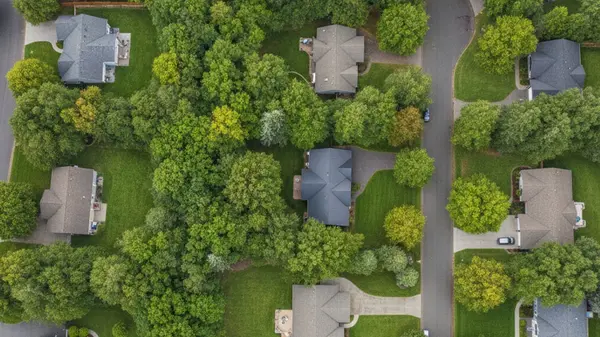
Zoning laws and property types play a massive role in how much a home commands on the open market. A single-family home on a half-acre lot will appraise very differently than a newly constructed townhome sharing common walls. Lot size, measured in square feet or acres, directly dictates development potential and privacy levels.
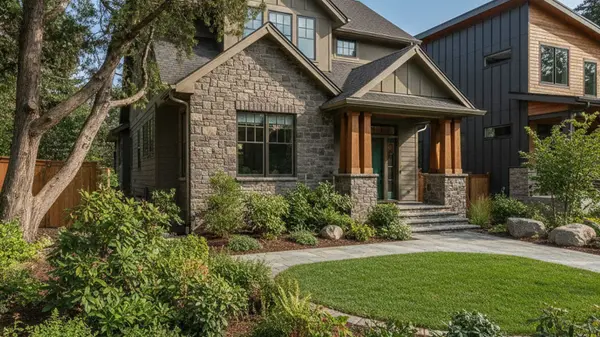
Construction quality and the age of major systems also factor heavily into the final mathematical calculation. An older home with a brand-new roof and updated HVAC system will appraise higher than a similar property with deferred maintenance. Evaluators meticulously document these physical details during their site visits to ensure accurate comparisons.
Currently, properties with expansive, usable lot sizes hold the highest premium in Deschutes County. As new developments focus on high-density housing, older parcels with quarter-acre or half-acre footprints are becoming increasingly rare and valuable. Buyers are consistently willing to pay top dollar for the flexibility that comes with larger residential lots.
Proximity to Central Oregon Amenities
Distance to outdoor landmarks drastically alters a property's desirability and overall valuation. Homes situated within walking distance of the Deschutes River or Drake Park carry a measurable premium in the current market. Appraisers factor in this immediate access to natural features when comparing properties across different local zip codes.
Winter recreation access is another major variable in the local pricing structure. Properties located on the west side of town offer shorter driving distances to Mount Bachelor, which sits roughly 22 miles from the city center. Quick access to major trailheads for year-round recreation consistently supports higher baseline property values.
Location Features and Infrastructure
Municipal services and local infrastructure provide a foundation for long-term property value. The physical distance to Bend-La Pine Schools facilities is a metric that appraisers objectively note during their evaluations. Proximity to educational campuses often correlates with sustained demand for homes in those immediate surrounding areas.
Healthcare access and transit routes also shape the marketability of a neighborhood. Living within a short radius of St. Charles Medical Center offers valuation benefits, particularly for properties near the hospital's main campus. Furthermore, easy access to major commuting routes like US-97 improves neighborhood connectivity and supports stronger appraisal figures.
2026 Real Estate Market Trends in Bend
Understanding the current 2026 real estate market data in Bend is essential for contextualizing any property valuation. The local market has stabilized, presenting distinct patterns in pricing and inventory that impact both buyers and sellers.
The median home price range in Bend currently sits between approximately $685,000 and $750,000, depending heavily on the property type. Evaluators look closely at the specific category of housing when pulling recent comparable sales. The market is currently segmented into three main property types:
-
Single-family detached homes: These properties generally occupy the higher end of the pricing spectrum due to larger lot sizes and private ownership of the land.
-
Townhouses: These units offer a middle-ground price point, combining private living spaces with shared exterior maintenance responsibilities.
-
Condominiums: These properties provide lower entry prices and are often located closer to commercial centers or resort amenities.
Understanding which category your property falls into is the first step toward establishing an accurate baseline price. Appraisers will only compare your home to properties within the same exact category to ensure fairness.
Market velocity has settled into a predictable rhythm this year across all property types. The average days on market is currently hovering around 55 to 66 days before a home goes under contract. This timeline gives buyers a reasonable window to conduct inspections and secure financing without the extreme pressure of immediate bidding wars.
The current inventory level of 2.9 to 3.2 months creates a balanced negotiating environment that slightly favors sellers but protects buyers. This specific supply metric means buyers have enough options to push back on overpriced listings. Sellers who price their homes accurately from day one are the ones successfully securing offers within the first month.
Deschutes County Property Tax Assessment vs. Fair Market Value
Homeowners often look at their annual tax bill and assume that number reflects their property's actual worth. However, there are significant legal and financial distinctions between a county tax assessment and fair market value.
Real Market Value, or RMV, is the price a property would reasonably sell for on the open market between a willing buyer and seller. This is the figure that real estate agents and appraisers focus on during a transaction. It fluctuates constantly based on economic conditions, buyer demand, and inventory levels.
Maximum Assessed Value, or MAV, is a completely different metric governed by Oregon's Measure 50. This law caps the annual growth of a property's assessed value at exactly 3 percent, regardless of how fast the local real estate market appreciates. Your Deschutes County tax bill is calculated using this MAV, which is why your taxed value is usually much lower than your home's actual market price.
Buyers must anticipate a potential tax reassessment if a property undergoes major renovations or a changed property ratio. Adding a new bedroom, finishing a basement, or building an accessory dwelling unit triggers the county to recalculate the baseline value. Failing to budget for this post-renovation tax jump is a common oversight that can strain a new homeowner's monthly budget.
Frequently Asked Questions
How accurate is an online home valuation for properties in Bend, OR?
Online valuations use broad algorithms that cannot accurately read Bend's unique topography or custom home features. They often miss critical details like mountain views, river access, or winter road conditions. For a precise number, you need a local professional to conduct a physical evaluation of the property.
How much does a property appraisal cost in Bend, OR?
A standard residential appraisal in the Bend area typically costs between $600 and $800. The exact price depends on the size of the home, the acreage, and the overall complexity of the property. Complex rural properties or multi-family units will generally push the appraisal fee toward the higher end of that range.
Do you provide appraisal services for divorce, trust, or estate tax appeals in Deschutes County?
Yes, certified appraisers routinely provide specialized valuations for legal and tax purposes across Deschutes County. These situations require a highly detailed, defensible report that can hold up in court or during an IRS review. It is crucial to hire an appraiser with specific experience in estate and legal valuations to ensure strict compliance.
Categories
Recent Posts