Is Bend, OR Good for Young Professionals? The Reality Check
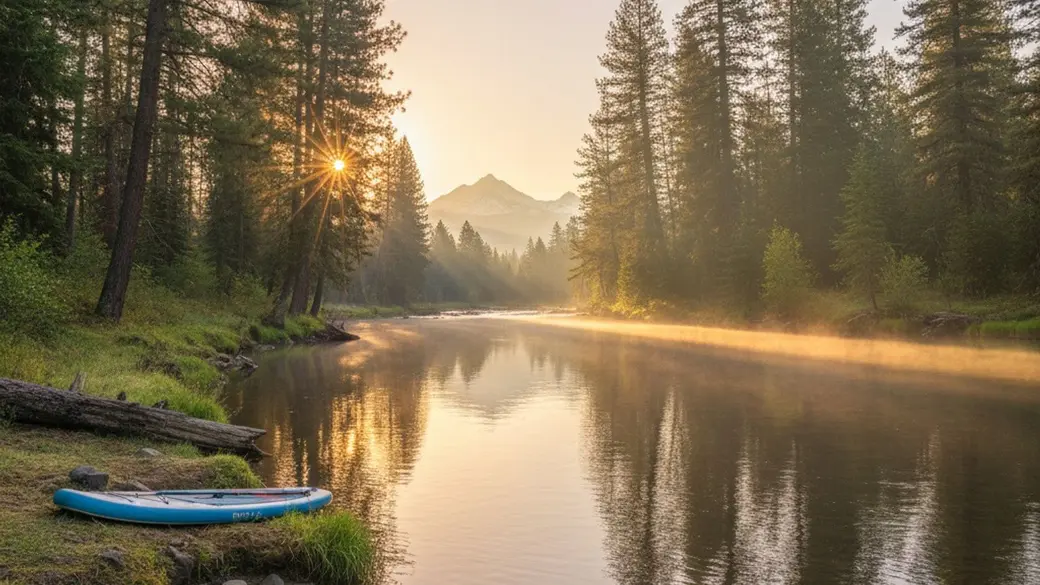
If you look at Instagram, living in Bend looks like one long beer commercial. You see remote workers answering emails from a paddleboard on the Deschutes River, followed by a sunset hike in the Cascade Range. And while that lifestyle is absolutely real, there is a financial and logistical reality that doesn't always make the caption.
For young professionals—especially Millennials and Gen Zers eyeing a move from Seattle, San Francisco, or Portland—Bend is in a unique transition period. It has rapidly evolved from a sleepy recreation town into a high-demand "Zoom Town." This shift has created a distinct divide: those who bring their jobs with them, and those trying to make it work within the local economy.
If you are a remote worker, a medical professional, or an entrepreneur, Bend can be paradise. But if you are relying on the local service industry or entry-level corporate roles, the math gets harder. Let’s dig into the pros and cons of living in Bend to see if the lifestyle matches your career stage.
The "Zoom Town" Economy: Income vs. Cost of Living
Let’s be real about the numbers. The biggest shock for most young professionals moving here is the "Sunshine Tax." In short, you pay a premium for the privilege of seeing the mountains from your grocery store parking lot.
The gap between local wages and housing costs is the defining economic tension of the area. While home prices have softened slightly or remained flat going into 2026, they are still high relative to the size of the city. You are looking at a median home price hovering between $740,000 and $850,000. If you aren't ready to buy, the rental market is equally competitive. A decent one-bedroom apartment usually lands between $1,600 and $1,800 a month, while a three-bedroom house suitable for roommates often pushes past $2,600.
To live comfortably here without constant financial stress, the income benchmarks are higher than you might expect for a town of this size.
-
Solo Renters: A salary of $75,000+ is generally recommended to secure a nice spot and still afford the gear required to enjoy the outdoors.
-
Homebuyers: To enter the market for a single-family home, a household income of $150,000+ is becoming the baseline standard.
Before you pack the U-Haul, it is worth looking at a detailed cost of living in Bend guide to see how your specific budget stacks up against utilities, groceries, and gas prices.
Job Market & Remote Work Culture
Employment in Bend generally falls into two buckets: the robust remote ecosystem and the local "hands-on" industries.
The Remote Work Hub
Bend was practically built for the digital nomad. If you work in tech, creative services, or consulting, you will find a massive community of like-minded professionals. You don't have to work from your kitchen table, either. The coworking scene here is sophisticated. The Haven offers river views that make it hard to concentrate, while the Work Collective offers a more downtown vibe.
A major addition to the scene is Kiln, which is set to open its doors in Spring 2026. This isn't just a desk rental; it’s a lifestyle workspace that signals Bend’s maturity as a tech satellite hub. If you are moving to Bend for remote work, you will find plenty of infrastructure to support you.
Local Industry and the "Trailing Spouse"
If you need to find a job locally, the landscape changes. The dominant employer is St. Charles Health System. If you are a nurse, doctor, or technician, your skills are in high demand. Beyond healthcare, major employers include Les Schwab, Mt. Bachelor, and Bright Wood Corp.
However, we have to talk about the "Trailing Spouse" issue. We often see a couple move here where one partner has a high-paying remote tech job, and the other partner—who might be in marketing, HR, or general business—struggles to find a local role that matches their previous salary. The local corporate ladder is shorter here than in major metros.
Beyond the Outdoors: Nightlife, Dating, & Making Friends
So, you have the job and the apartment. What happens after 5:00 PM?
The Nightlife Reality
Bend is an "early to bed, early to rise" town. If you are used to clubs staying open until 4:00 AM, you are in for a culture shock. Nightlife here revolves around craft beverages. You are more likely to find people debating IPA hops at Deschutes Brewery, Crux, or 10 Barrel than dancing on a table.
For a more curated vibe, cocktail bars like San Simón offer a great atmosphere, and venues like McMenamins Old St. Francis or the Volcanic Theatre Pub are the go-to spots for live music. Just expect the town to quiet down significantly after midnight.
Dating and Socializing
The dating pool in Bend is smaller than in a major city, and it has a reputation for "Peter Pan Syndrome." Many people move here specifically to prioritize play and adventure, which can sometimes mean a reluctance to settle down.
When it comes to making friends, the "Seattle Freeze" (where people are polite but distant) can drift south. The absolute best way to break through is by doing things. You don't make friends at the bar here; you make friends at the climbing gym, on the skin track, or in a trail running group. Shared suffering on a mountain is the fastest way to bond with locals.
Where Young Professionals Live: Neighborhood Guide
Bend doesn't have a single "downtown" where everyone lives; it’s a collection of neighborhoods, each with a different amenity density.
The Westside: This is the area most people picture when they think of Bend. Neighborhoods near the Galveston corridor or NW Crossing offer high walkability to coffee shops, breweries, and parks. It is vibrant and pedestrian-friendly, but you pay for that convenience with the highest price per square foot in town.
The Eastside: Formerly considered "far away" (which in Bend means a 10-minute drive), the Eastside is rapidly changing. Areas like the Midtown or Orchard District are gaining hip restaurants and taprooms. It is generally more affordable than the Westside, though you will likely rely more on your car for daily errands.
Old Mill District: If you prefer condo living and want to be right on the river, the Old Mill District is a strong contender. It is upscale, very walkable, and close to the amphitheater for summer concerts. It feels a bit more commercial, but the convenience is hard to beat.
For a deeper dive into specific streets and vibes, checking a local Bend neighborhood guide is a smart next step.
The Gritty Details: Winter, Smoke, and Seasonality
If you only visit in July, you might miss the logistical challenges that cause some people to leave after a year or two.
-
Smoke Season: This is a non-negotiable reality. Late summer often brings wildfire smoke that can settle in the valley for days or weeks. During these times, the outdoor lifestyle grinds to a halt, and you may be stuck inside with air purifiers running.
-
Winter Driving: Mt. Bachelor offers world-class skiing, but that comes with real winter driving conditions. Commutes can be icy, and the gray shoulder seasons (November and April) can feel long if you aren't used to high-desert winters.
-
Isolation: Bend is a geographical island. It is at least three hours over mountain passes to get to Portland or Eugene. Amazon Prime isn't always same-day here, and you don't have the immediate access to big-city amenities like international airports or niche shopping.
FAQ: Young Professionals Asking About Bend
Is Bend, Oregon boring for singles?
It depends on your definition of excitement. If you need high-energy nightclubs and a massive dating app radius, it might feel slow. However, if your idea of fun involves sunrise summits, brewery patios, and river floats, it is arguably one of the most exciting towns in the West.
Do I need a car to live in Bend?
Realistically, yes. While neighborhoods like the Westside or Old Mill are walkable for coffee and dinner, accessing the "lifestyle" part of Bend—skiing at Mt. Bachelor, hiking in the Three Sisters Wilderness, or getting to trailheads—requires a reliable vehicle, preferably with AWD.
What is the main industry in Bend, Oregon?
Historically, the economy was driven by timber, but today the main drivers are healthcare (St. Charles Health System) and tourism. However, the remote tech sector is rapidly becoming a silent "third industry," bringing in significant outside revenue through telecommuters.
Is the "Seattle Freeze" real in Bend?
There is a bit of an insider/outsider dynamic, mostly due to the rapid population growth. However, because so many young professionals are transplants themselves, people are generally open to connection if you join organized activity groups rather than just waiting to meet people organically.
Verdict: Is Bend Right for Your Career Stage?
Deciding to move here usually comes down to a trade-off between career velocity and lifestyle quality.
You should make the move if:
-
You have a secure remote job earning over $80k (or $150k combined).
-
You prioritize skiing, biking, and climbing over nightlife and shopping.
-
You can tolerate winter driving and a few weeks of smoke in the summer.
You might want to reconsider if:
-
You are looking for entry-level work in marketing, finance, or media within the local market.
-
You hate driving and want a fully public-transit-dependent lifestyle.
-
You crave the cultural diversity and fast pace of a major metropolis.
If the numbers make sense and the mountains are calling, Bend offers a work-life balance that is hard to replicate anywhere else. If you are ready to explore housing options, looking into local relocation services can help smooth out the transition.
Categories
Recent Posts