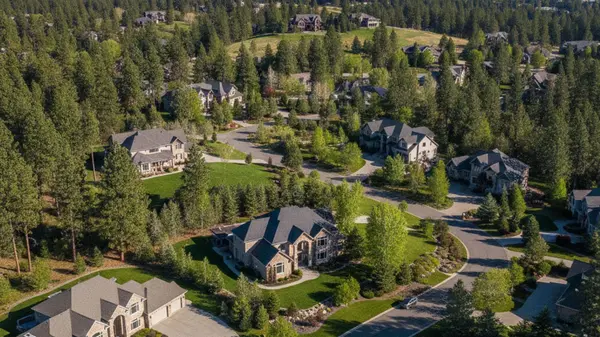
Bend vs. Flagstaff: The Ultimate Mountain Town Showdown (2026)
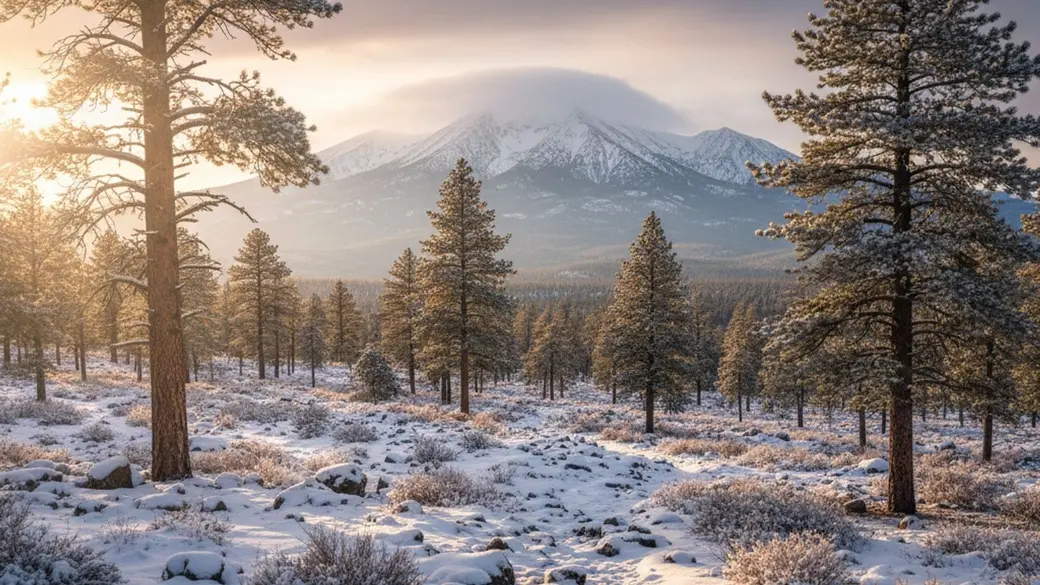
If you spend enough time scrolling through Instagram looking for the perfect mountain town, Bend, Oregon, and Flagstaff, Arizona, start to look like twins. Both are surrounded by massive Ponderosa pine forests, both are obsessed with craft beer, and both offer that coveted access to high-elevation adventure.
But once you dig past the surface aesthetics, these two hubs attract very different types of residents. Bend is a polished, "high desert" remote-work capital with a smooth, flowing vibe that centers on the river. Flagstaff is a rugged, "alpine" college town situated on the Colorado Plateau that feels a bit grittier and much closer to the stars.
Choosing between them usually isn't about which one is prettier—they are both stunning. Your decision will likely come down to three practical factors: your tolerance for shoveling snow, your tax strategy, and the specific style of outdoor recreation you prefer.
Cost of Living & Housing Market
Let’s get right to the financials. If you are looking at the sticker price of homes for sale in Bend versus Flagstaff, you might not see a huge difference, but the monthly impact on your bank account tells a different story.
Housing Prices: Both markets have seen steep appreciation over the last few years. In Bend, the median sold price generally hovers in the mid-$700,000 range. Flagstaff is similar, though the range can swing wider—from the high $600s to well over $800k—depending on how many luxury golf community homes are selling that month. Essentially, the entry ticket for a single-family home in either town is steep compared to the national average.
The "Hidden" Cost: Taxes: This is where the math changes drastically, especially for high earners. Arizona utilizes a flat income tax rate of 2.5%. Oregon, on the other hand, has a progressive income tax that hits about 8.75% to 9.9% for many professionals. If you are a remote worker earning $100,000 or more, living in Flagstaff could effectively save you $6,000+ a year purely on state income tax. That is a significant chunk of change that can go toward a mortgage or gear.
Rentals and Daily Costs: The rental market is tight in both cities, but for different reasons. Flagstaff is a college town home to Northern Arizona University (NAU), which keeps demand for rentals consistently high and competitive, with median rents often sitting near $1,940/mo. Bend rentals are scarce simply because everyone wants to live here. When it comes to groceries and utilities, Flagstaff generally edges out Bend as slightly more affordable.
Climate: High Desert Sun vs. Alpine Snow
There is a common misconception that because both towns are in the "West" and have pine trees, they have the same weather. They do not. Flagstaff is a true alpine environment, while Bend is protected by a rain shadow.
Snowfall Reality Check: Flagstaff is one of the snowiest cities in the United States. It sits at 7,000 feet and averages between 80 and 100 inches of snow annually. When storms hit Northern Arizona, they hit hard, and digging out your driveway is a regular winter morning workout. Bend gets snow—usually around 20 to 25 inches a year—but because it sits lower at roughly 3,600 feet, the snow often melts off the roads in town within a day or two.
Summer Patterns: Both cities offer relief from the scorching heat found in Phoenix or the valleys of Oregon, but the summer rhythm differs. Bend summers are classic high desert: warm, very dry, with highs in the 80s and cool nights. Flagstaff stays cooler, rarely breaking the low 80s, but it experiences "Monsoon Season." In July and August, Flagstaff often sees dramatic afternoon thunderstorms and heavy rain, whereas Bend stays dry and dusty.
Elevation Impact: Do not underestimate the altitude. Living in Flagstaff means your lungs are working at 7,000 feet 24/7. It takes time to acclimate. Bend’s elevation of 3,623 feet is much easier on the body for most people relocating from sea level.
Outdoor Recreation: Skiing, Biking, and Hiking
If you are moving for the lifestyle, you need to know that the "flavor" of sports is distinct in each town.
Skiing and Boarding: If your life revolves around winter sports, Bend has the advantage. Mt. Bachelor is a massive resort with huge acreage and a long season that often stretches into May. Flagstaff’s Arizona Snowbowl is a fun mountain with great vertical, but it is physically smaller and has a shorter season.
Mountain Biking: Bend is world-famous for its "flow" trails. You can ride from your garage to the Phil’s Trail complex and pedal for hours on smooth, fast dirt. Flagstaff riding is much more technical, rocky, and alpine. It’s harder on the body and the bike. However, Flagstaff residents have a secret weapon: they are only 45 minutes away from Sedona, which offers some of the best technical riding on the planet.
Water Access: This is a major lifestyle difference. The Deschutes River flows right through the heart of Bend. In the summer, "floating the river" is the town’s main social event, and you can paddleboard or kayak on your lunch break. Flagstaff has no major river in town. To get to water, you have to drive to Oak Creek or make a longer trek to the Colorado River or Lake Powell.
Hiking: Flagstaff is dominated by the San Francisco Peaks, including Humphreys Peak, which rises over 12,000 feet. The hiking here is steep and high-altitude. Bend has the Three Sisters wilderness nearby, offering incredible volcanic landscapes, but the immediate in-town hiking is generally flatter and rolling.
Lifestyle & Culture: The 'Vibe' Check
Beyond the stats, how does it feel to walk down the street?
Flagstaff: The Cosmic Crossroads - Flagstaff feels like a crossroads of the Southwest. Between the NAU students, the tourists heading to the Grand Canyon, and the van lifers passing through, it has a transient, energetic feel. It is also the world's first International Dark Sky City, meaning the town is serious about light pollution—you can actually see the Milky Way from downtown. The vibe is a mix of historic Route 66 nostalgia and a slightly gritty, authentic mountain toughness.
Bend: The Polished Bubble - Bend feels a bit more curated. The downtown is pristine, the parks are manicured, and the culture is heavily influenced by transplants and remote workers. It is arguably the dog-friendliest town in America. The social scene revolves heavily around the incredible number of breweries—Deschutes, Crux, 10 Barrel, and dozens of small taprooms. It feels less like a transit hub and more like a destination where people come to stay and play.
Pros and Cons Summary
Here is a quick look at the trade-offs for both towns.
Bend, Oregon
-
Pros: World-class brewery scene, the river runs through town, milder winters, and a massive ski resort nearby.
-
Cons: High state income tax, annual wildfire smoke season can be intense, and traffic congestion is growing.
Flagstaff, Arizona
-
Pros: Low flat tax rate, cooler summers, close proximity to Sedona and the Grand Canyon, and strict Dark Sky compliance.
-
Cons: Intense winter snow removal, frequent high winds, a smaller inventory of homes, and a tougher altitude adjustment.
Frequently Asked Questions
Is it better to retire in Bend or Flagstaff?
This often depends on your financial picture and health needs. Flagstaff offers a significant financial advantage with Arizona’s tax friendliness on retirement income. However, Bend sits at a lower elevation which can be easier on health conditions, and offers a wider variety of healthcare specialists due to its larger population base.
Does Flagstaff get more snow than Bend?
Yes, significantly more. Flagstaff averages 80 to 100 inches of snow per year, making it a true winter wonderland that requires heavy-duty snow removal equipment. Bend averages closer to 25 inches, and the snow tends to melt much faster due to the lower elevation and high desert sun.
What is the political climate comparison?
Both cities tend to be "blue dots" within their respective regions. Bend is the liberal hub of Central Oregon, while Flagstaff is a liberal college town surrounded by more conservative rural areas. Both have active, engaged communities with a mix of perspectives, but they generally lean more progressive than their surrounding counties.
Categories
Recent Posts