Why Bend Oregon is a Great Place to Live: 2025 Guide
Why Bend, Oregon is the West Coast's Outdoor Paradise
If you tell someone you are moving to Oregon, they usually hand you an umbrella and warn you about the gray skies. But if you tell them you are moving to Bend, the reaction is completely different. That’s because this high-desert city breaks almost every Pacific Northwest stereotype.
Bend has transformed rapidly from a quiet timber town into a vibrant destination with roughly 100,000 residents. It is no longer just a stopover for skiers; it is a booming hub for tech, remote work, and lifestyle seekers. While it offers a rare mix of small-town community and world-class recreation, locals will tell you upfront that it comes with a "sunshine tax"—the premium you pay to live in such a desirable spot.
The Lifestyle: Year-Round Recreation at Your Doorstep
Life here is defined by what you do outside. The culture is incredibly active, and the "play hard" mentality is real. In the winter, you can leave your driveway and be skiing or snowboarding at Mt. Bachelor in about 20 to 30 minutes. It is common for people to catch a few runs in the morning and be back at their desk by lunch.
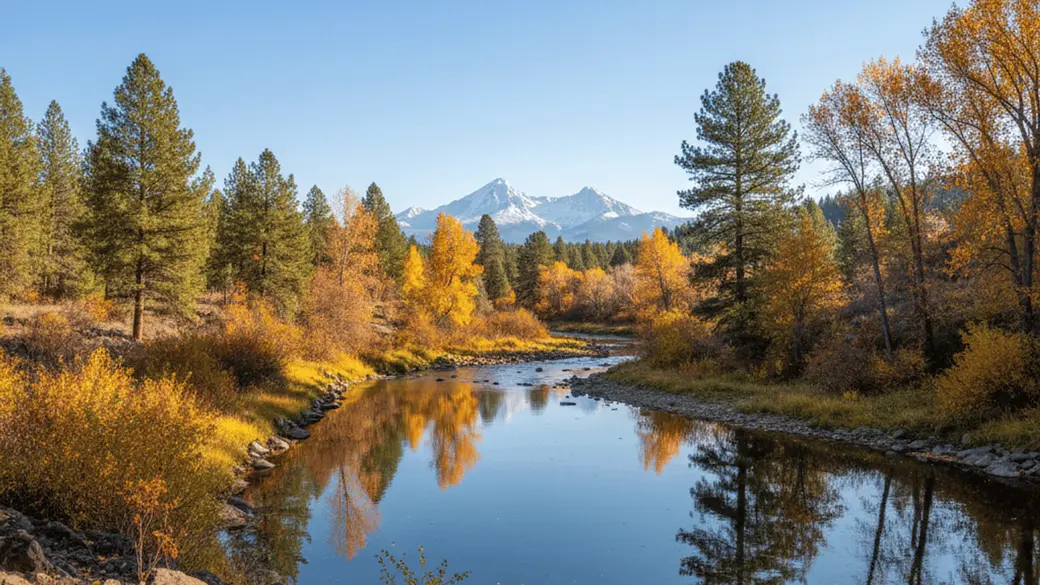
When the snow melts, the focus shifts to the water and the trails. Floating the Deschutes River is practically a summer rite of passage, with kayakers, paddleboarders, and tubers filling the water near the Old Mill District. If you prefer land, you have hundreds of miles of singletrack mountain biking options, like the famous Phil’s Trail complex, or quick in-town hikes up Pilot Butte for a sunset view.
The vibe that comes with this lifestyle is aggressively casual. You will rarely see a suit and tie here. The standard uniform is often jokingly called the "Patagonia tuxedo"—puffy jackets, beanies, and hiking boots are acceptable attire almost anywhere, from grocery stores to nice restaurants.
Climate: The High Desert Difference
Understanding the "High Desert" is key to understanding why people love living here. Unlike the Willamette Valley (Portland and Eugene), which sees long stretches of drizzle, Central Oregon is arid and bright. We get an average of roughly 300 sunny days a year.
Because of the high elevation and low humidity, we experience four distinct seasons. Even on hot summer days where temperatures hit the 80s or 90s, the nights cool down significantly—often requiring a sweatshirt once the sun goes down.
Winter is definitely a reality here, but it looks different than you might expect. The city averages around 20 to 30 inches of snow per year. However, because of the abundant sunshine, snow on the roads often melts off within a day or two rather than turning into weeks of gray slush.
There is one downside we have to talk about, often called the "fifth season": wildfire smoke. In late summer and early fall, smoke from regional fires can settle into the bowl of Central Oregon. It varies year to year, but it is a realistic environmental factor to consider if you have respiratory issues or expect pristine air 365 days a year.
Job Market and Economy: Beyond Tourism
Historically, if you wanted to live here, you had to bring your own job. While that is changing, the economy is still heavily influenced by tourism and hospitality. However, healthcare has become a massive economic anchor, with St. Charles Health System serving as the region's largest employer with over 4,500 employees.
We are also seeing exciting growth in other sectors. There is a bubbling tech startup scene and a strong aviation industry, led by companies like Epic Aircraft. The craft brewing industry isn't just for fun—it's a serious economic driver here as well.
Perhaps the biggest shift in recent years has been the influx of remote workers. Bend has become one of the ultimate "Zoom towns," attracting professionals who can work from anywhere but choose to work with a view of the Cascades. Just be aware that while the cost of living has skyrocketed, local wages in service and trade sectors have historically trailed behind, creating a bit of an affordability gap for local workers.
Cost of Living and Real Estate Market
Let's be honest about the numbers: living in paradise isn't cheap. Housing is the primary driver of the high cost of living here, and inventory tends to remain tight.
If you are looking at homes for sale in Bend OR, you should prepare for a competitive market. The median home price generally fluctuates between $675,000 and $760,000, depending on the season and the specific neighborhood. Renters face a similar squeeze, with average one-bedroom apartments often ranging from $1,700 to $1,950 per month.
Beyond housing, everyday expenses like groceries, utilities, and gas tend to sit about 12% higher than national averages. It is also worth noting the tax landscape: Oregon has a relatively high state income tax, which catches some newcomers off guard. The trade-off is that there is no sales tax, which makes big purchases—like vehicles or appliances—a bit easier on the wallet.
Best Neighborhoods in Bend for Newcomers
When you start browsing listings, you will quickly hear locals divide the town into "Westside" and "Eastside."
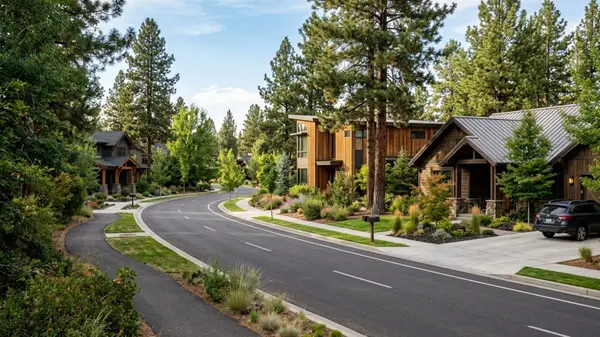
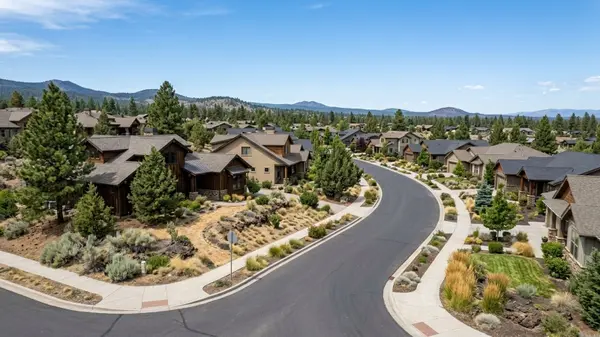
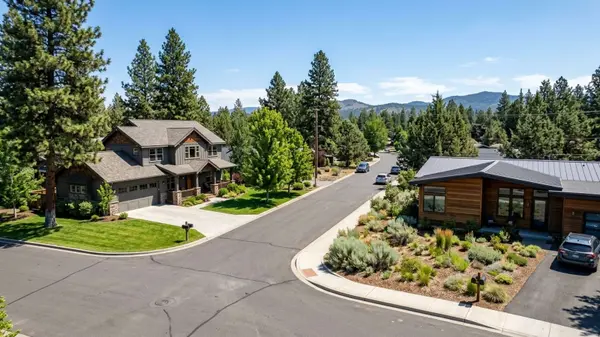
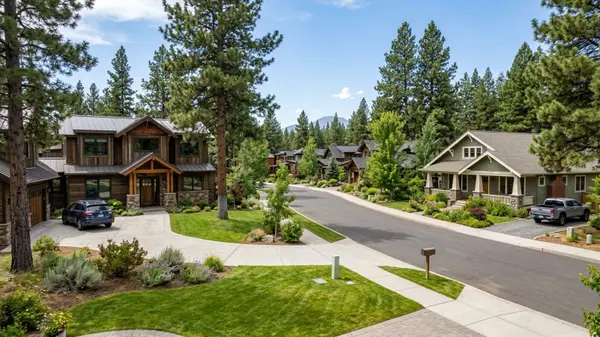
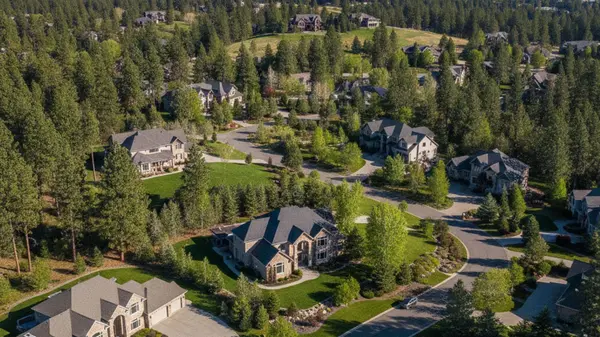
The Westside (including areas like River West and Northwest Crossing) is generally the most expensive part of town. It is walkable, trendy, and offers the closest access to the darker green forests and trailheads. If you want to walk to a coffee shop or bike to the river, this is often the target area, though you pay a premium for it.
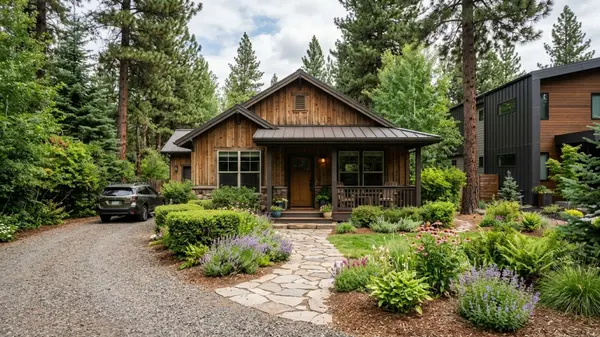
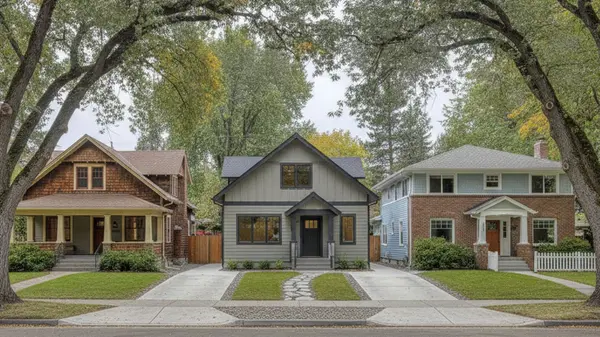
Old Bend offers incredible historic charm and proximity to downtown, but inventory is low and prices are high. Nearby, the Old Mill District offers more modern, condo-style living right next to the amphitheater and shopping centers.
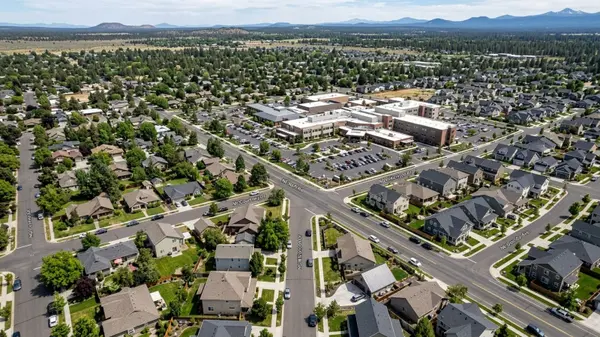
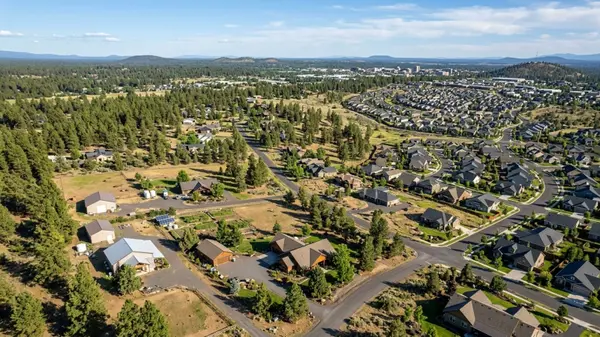
The Eastside (neighborhoods like Mountain View, Larkspur, and areas near Pilot Butte) offers a different value proposition. You typically get more house and a larger lot for your money. It has a quieter, more suburban feel. The amenities on the Eastside are improving rapidly, with new restaurants and breweries popping up so residents don't always have to cross town for a night out.
Culture: Breweries, Dining, and Community
If there is one thing Bend is famous for besides nature, it is beer. We have one of the highest breweries-per-capita ratios in the country. The "Bend Ale Trail" is a real thing, and locals are fiercely loyal to their favorite spots, whether it's the legendary Deschutes Brewery, Crux Fermentation Project, or 10 Barrel.
Dining here is casual and communal. Food truck lots—like The Lot or The Podski—are staples of the food scene. They allow groups to grab exactly what they want, from Thai to tacos, and sit together around a fire pit.
Community events anchor the social calendar. We have the Hayden Homes Amphitheater hosting major concerts right on the river, WinterFest celebrating the cold, and the Bend Fall Festival. It is also incredibly dog-friendly. You will see dogs on patios, in parks, and practically everywhere else. If you move here, your dog will likely have a better social life than you do.
Schools and Higher Education
For those looking at educational options, the area is served by the Bend-La Pine School District. It is a large district that offers neighborhood schools as well as several magnet options and dual-language programs, giving residents a fair amount of choice in how their students are educated.
For higher education, options are expanding. Central Oregon Community College (COCC) has long been a fixture on the hill with amazing views, but OSU-Cascades is the game changer. It is a growing four-year campus that is bringing more youthful energy and academic resources to the city. As the population grows, new schools are constantly being built or planned to keep up with enrollment.
Getting Around: Transportation and Commute
Despite the bike-friendly reputation, the car is still king in Central Oregon. Most residents drive for their daily errands, and traffic has increased noticeably, particularly around the bridges crossing the river. You will also need to get comfortable with roundabouts—we have dozens of them, and they keep traffic moving, though they can confuse visitors.
Biking is a viable transportation option for many, especially with the rise of ebikes. The city is very bike-friendly, though winter ice can limit this for a few months of the year unless you are a die-hard cyclist.
Public transit exists via Cascades East Transit (CET), but the frequency and coverage are not what you would find in a major metro area. For regional travel, Redmond Municipal Airport (RDM) is a huge convenience. It is only about 20 minutes north and offers easy connections to major hubs like Denver, Seattle, and San Francisco without the hassle of a massive international airport.
Summary: Pros and Cons of Living in Bend
Here is a quick snapshot to help you weigh your decision:
- Pros: unparalleled access to nature, 300 days of sunshine, a safe environment with a small-town feel, and big-city amenities like breweries and healthcare.
- Cons: High cost of living (the "sunshine tax"), annual wildfire smoke seasons, geographical isolation from major cities, and cold winters that some West Coast transplants aren't ready for.
Frequently Asked Questions
Is Bend, Oregon expensive to live in?
Yes, generally speaking, Bend has a high cost of living compared to national averages. Housing costs are the main factor, with median home prices sitting significantly higher than many other parts of Oregon, though the lack of sales tax helps balance daily spending.
Does it snow a lot in Bend?
We typically see about 20 to 30 inches of snow annually in town, but it varies by elevation. Unlike the heavy, wet snow in other regions, our high-desert snow is often lighter and melts quickly on the roadways due to the frequent sunshine.
What is the smoke season in Bend?
"Smoke season" usually refers to late summer, typically August and September, when wildfire smoke from the Pacific Northwest drifts into Central Oregon. Air quality can vary from hazy to hazardous during these weeks, and it is something residents learn to monitor daily.
Is Bend Oregon a good place to retire?
Bend is very popular for retirees who want an active lifestyle with golf, hiking, and skiing nearby. The high quality of healthcare at St. Charles and the safe, community-focused neighborhoods make it an attractive, albeit pricier, option for retirement.
Is Moving to Bend Right for You?
Bend is an ideal home for people who prioritize lifestyle above almost everything else. If you are willing to trade big-city nightlife for a sunrise hike and a craft beer, you will fit right in.
However, numbers on a screen can only tell you so much. We always suggest visiting twice—once in the summer to feel the heat and energy, and once in the winter to see if you can handle the snow and shorter days. If you are ready to explore the neighborhoods or check out specific housing options, reaching out to a local real estate agent is the best next step to navigating this competitive market.
Categories
Recent Posts