Top places to live in Oregon: 2025 Guide

Discovering the Best Places to Live in Oregon
Oregon is one of those rare places that feels like five different states wrapped into one. Depending on where you land, you could be staring at the rugged, misty coastline, hiking through high desert sagebrush, or navigating the lush, green river valleys that gave the state its rainy reputation. Whether you are chasing a tech job in the "Silicon Forest" or looking for a quiet life in wine country, the landscape here dictates the lifestyle.
One of the first things I tell anyone thinking about moving to Oregon is to get ready for a different kind of financial picture. The biggest shock—in a good way—is the lack of sales tax. That’s right, you pay 0% sales tax on everything from groceries to cars. It’s a huge psychological perk, though we do balance it out with income and property taxes. If you are trying to figure out where you fit in, this guide breaks down the vibe, the costs, and the reality of living in the top communities across the state.
Living in Oregon: Cost of Living & Housing Market 2025
Before we look at specific cities, we need to talk about the "Green Tax." Generally speaking, the cost of living in Oregon is higher than the national average, largely driven by housing. We have strict urban growth boundaries designed to protect our farmland and forests, which keeps nature close but also limits housing inventory.
While you save money at the register thanks to no sales tax, you will likely feel the pinch in housing prices and state income tax. The job market is robust, however, with major tech employers in Washington County, healthcare and education jobs statewide, and a massive surge of remote workers heading to Central Oregon.
When you are running the numbers, here is a rough idea of what to expect for housing as of late 2024/early 2025:
- Willamette Valley (Salem/Eugene): Median prices often sit in the $450,000 range.
- Portland Metro: Expect to see medians around $550,000 to $600,000 depending on the suburb.
- Bend & Lake Oswego: These are premium markets where medians easily push past $700,000.
1. Portland: The Cultural & Economic Hub
Portland is the engine that drives the state. It is famous for its "Keep Portland Weird" motto, but beyond the donuts and unicycle riders, it is a city of distinct, walkable neighborhoods. If you want urban energy, the Pearl District offers high-rise living. If you prefer a historic, residential feel with great coffee shops on the corner, areas like Sellwood, Hawthorne, or Irvington are hard to beat.
The pros of living in Portland are obvious: you have access to incredible food, a robust job market, and arguably the best public transit in the region with TriMet and the MAX light rail. You are also close to PDX airport, which is consistently voted one of the best in the country. The downsides are typical of any major city growing pains—traffic congestion can be tough, and the cost of living is significantly higher than in the rural parts of the state.
Housing Snapshot:
- Approx. Median Home Price: ~$550,000 – $600,000
- Approx. Rent (1-bed): ~$1,600 – $1,800
2. Bend: The Outdoor Adventure Capital
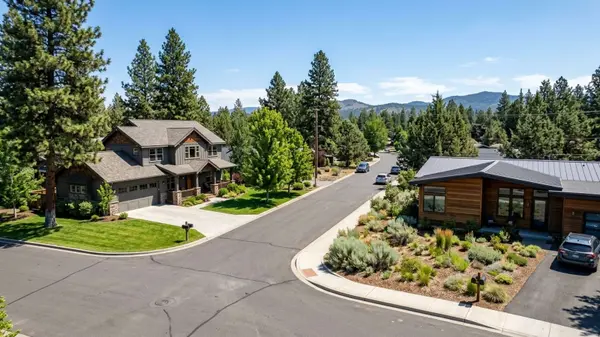
If your life revolves around what you do after work, Bend is probably already on your radar. Located in Central Oregon, Bend sits in the high desert. This means you get cold, snowy winters perfect for skiing at Mt. Bachelor, but you also get significantly more sun than the Willamette Valley. The lifestyle here is dominated by breweries, river floating on the Deschutes, and mountain biking.
However, Bend has grown incredibly fast. The economy has shifted heavily toward remote work, healthcare, and tourism. Locals often joke about "poverty with a view," which refers to the gap between local service-industry wages and the skyrocketing cost of housing. It is an amazing place to live, but you need to bring a good job or a solid nest egg with you.
Housing Snapshot:
- Approx. Median Home Price: ~$700,000 – $800,000 (Expect a competitive market)
3. Beaverton: Tech Hub of the Silicon Forest
Just west of Portland lies Beaverton, a powerhouse in its own right. It is often the top choice for people working in the "Silicon Forest" because it’s home to Nike World Headquarters and just a stone's throw from Intel’s campuses in Hillsboro. It is less gritty than Portland and functions as a highly developed suburban hub.
Beaverton creates a great balance for residents. You have an incredibly diverse food scene (some say better than Portland's) and access to the Tualatin Hills Park & Recreation District, which maintains massive recreation centers and miles of trails. It also consistently ranks as one of the safer large cities in the region, making it a very popular landing spot for households looking for stability and amenities.
Housing Snapshot:
- Approx. Median Home Price: ~$550,000
- Rent: Slightly more affordable than downtown Portland, but gap is closing.
4. Eugene: Green Living & University Vibes
Head about two hours south of Portland and you hit Eugene. This is "Track Town USA," home to the University of Oregon and the birthplace of Nike. The vibe here is a unique mix of 1960s counter-culture roots and high-performance athleticism. Residents take their green living seriously, and the local culture revolves heavily around the university.
Nature is integrated directly into the city, with the Willamette River running right through town and miles of running and biking paths. Geographically, it is well-positioned—you are about an hour from the coast and an hour from the Cascades. While inventory has been tight recently, housing costs here are generally more manageable than in Portland or Bend.
Housing Snapshot:
- Approx. Median Home Price: ~$480,000
5. Salem: Affordable Living in the Capital
If you are looking for value without leaving the I-5 corridor, Salem is the practical choice. As the state capital, the economy is stabilized by government jobs, though healthcare and agriculture are big drivers too. It doesn't have the same nightlife or "cool factor" as Portland, but the downtown area has seen a revitalization with better restaurants and historic preservation.
The main draw here is affordability. Your dollar goes much further in Salem, making it a strong option for first-time buyers. Location-wise, you are right in the middle of everything. It’s an easy hour drive north to Portland, an hour west to the ocean, or an hour east to the mountains. It’s a quieter, slower pace of life that suits many people just fine.
Housing Snapshot:
- Approx. Median Home Price: ~$425,000 – $450,000
6. Corvallis: Education, Innovation & Safety
About 45 minutes south of Salem is Corvallis, the home of Oregon State University. Because it is a college town focused on engineering and agricultural research, the population is highly educated. This creates a small-town feel that still supports good cultural amenities and a lively riverfront area.
Corvallis frequently pops up on lists of the safest cities in Oregon. It is incredibly bike-friendly—you will often see more bikes than cars near campus. The housing market can be tricky because the university drives demand for rentals and faculty housing, keeping prices higher than neighboring towns, but the quality of life is very high.
Housing Snapshot:
- Approx. Median Home Price: ~$550,000
7. Hood River: Small Town Charm with Big Views
Hood River is a niche market, but for the right person, it’s paradise. Located in the Columbia River Gorge, the views here are jaw-dropping. It is world-famous as a windsurfing and kiteboarding destination. If you aren't on the water, you are likely exploring the "Fruit Loop," a scenic drive full of pear and apple orchards, wineries, and farm stands.
Because the town is physically constrained by the river and mountains, and because it is such a popular vacation destination, housing is expensive and scarce. This is best suited for active outdoor enthusiasts who want a tight-knit, small community and can handle the higher price tag that comes with world-class scenery.
Housing Snapshot:
- Market Note: Inventory is very low; prices vary wildly from condos to estate homes.
8. Lake Oswego: Upscale Lakeside Living
If you are looking for luxury, Lake Oswego is the premier address in the Portland metro area. It feels manicured, safe, and established. The city centers around a private lake, and many homes come with easements that grant you access to swim or boat, which is a rare amenity in this part of the state.
Residents move here for the top-tier public schools and the high-end shopping and dining at Lake View Village. It is a very short commute into downtown Portland, but it feels a world away. Be aware that this exclusivity comes with a high barrier to entry; it is consistently one of the most expensive zip codes in Oregon.
Housing Snapshot:
- Approx. Median Home Price: $900,000+
9. McMinnville: The Heart of Wine Country
For those who want to escape the urban sprawl entirely, McMinnville offers a charming alternative. Located in Yamhill County, this is the heart of Oregon Pinot Noir country. The downtown strip along 3rd Street is award-winning, lined with tasting rooms, boutiques, and farm-to-table restaurants that rival what you find in the big city.
It is a bit of a trek for a daily commute to Portland, but it works well for hybrid workers or those working locally in the wine or aviation industries. It is significantly more affordable than Hood River or Bend, offering a high quality of life with a distinct small-town flavor.
Housing Snapshot:
- Market Note: A blend of historic cottages and newer developments; generally accessible for mid-range budgets.
10. Ashland: Arts, Culture & Southern Oregon Sun
Ashland feels like a cultural island near the California border. It is most famous for the Oregon Shakespeare Festival, which draws tourists from all over the world and supports a vibrant arts and theater scene. The climate here is distinct from the Willamette Valley—Southern Oregon is drier and gets hotter summers, which appeals to those who dread the Portland drizzle.
It is a fantastic spot for retirees or remote workers who want culture without the big city. However, it is a 4 to 5-hour drive to Portland, so Ashland functions as its own regional hub. You have easy access to Mt. Ashland for skiing and plenty of hiking trails right at the edge of town.
Housing Snapshot:
- Market Note: Prices are higher than neighboring Medford due to the cultural demand and limited supply.
Common Questions About Moving to Oregon
What is the safest place to live in Oregon?
Safety statistics can vary year by year, but suburban and college-focused areas consistently rank well. Cities like West Linn, Sherwood, and Corvallis are statistically some of the safest places to settle down, offering low crime rates and strong community engagement.
Where is the most affordable place to live in Oregon?
If you want to stretch your budget, look toward the mid-Willamette Valley or Eastern Oregon. Salem and Albany offer much lower housing costs compared to Portland, while towns further east like Hermiston or Ontario are even more affordable, though they offer a more rural lifestyle.
Is it expensive to live in Oregon?
generally, yes. Housing costs and state income taxes are higher than the national average, often surprising newcomers from the Midwest or South. However, the lack of a sales tax helps balance the budget, especially for big-ticket purchases.
Which Oregon city has the best weather?
That depends on your definition of "best." If you want sunshine and four distinct seasons, Bend in Central Oregon is your winner. If you prefer a milder, oceanic climate and don't mind fog, the Southern Coast (like Brookings) is great. If you want the lush greenery, you have to accept the rain in the Willamette Valley.
Categories
Recent Posts