Buy a home in Sunriver Oregon – 2025 Guide
Embracing the Sunriver Lifestyle: Your Guide to Buying
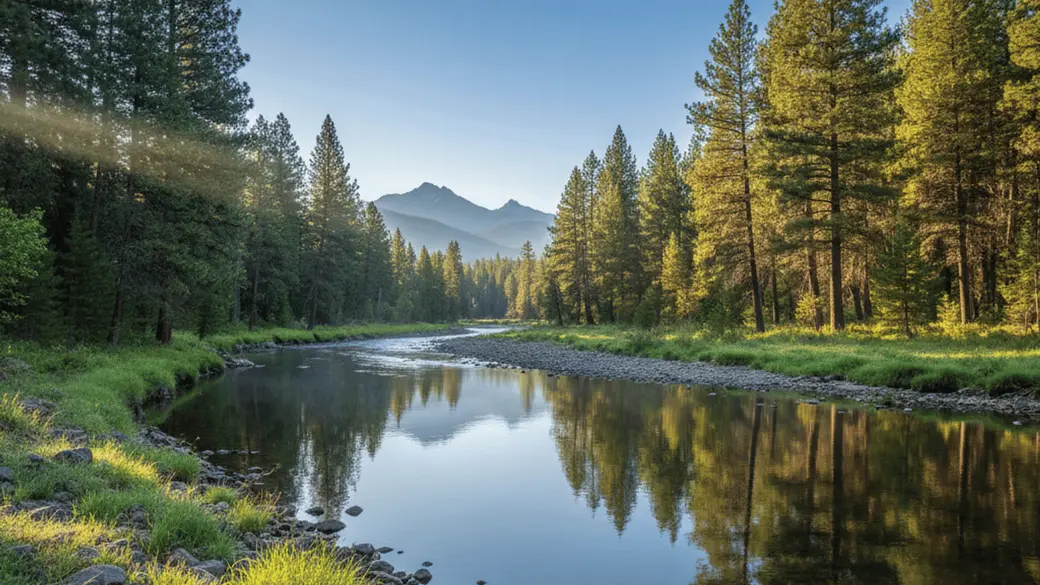
If you have ever spent a summer weekend biking the paved paths or a winter morning heading up to Mt. Bachelor, you understand exactly why people want to buy a home in Sunriver, Oregon. It is more than just a zip code; it is a premier destination for outdoor enthusiasts, offering 300 days of sunshine and a resort lifestyle that is hard to match anywhere else in the Pacific Northwest.
Most buyers here fall into two camps: those looking for a personal mountain retreat to escape the city, and investors seeking a robust vacation rental market. However, navigating the real estate landscape here requires a bit of local know-how. From understanding the Sunriver Owners Association to navigating the unique insurance requirements of the high desert, this guide is designed to walk you through exactly what it takes to own a piece of this Central Oregon paradise.
Overview of the Sunriver Real Estate Market
The market here is distinct because it is heavily driven by seasonality and second-home demand. Unlike a standard suburban market, inventory fluctuates based on when visitors are in town. Generally, you will see more homes hit the market in late spring and summer, but the competition can be fierce.
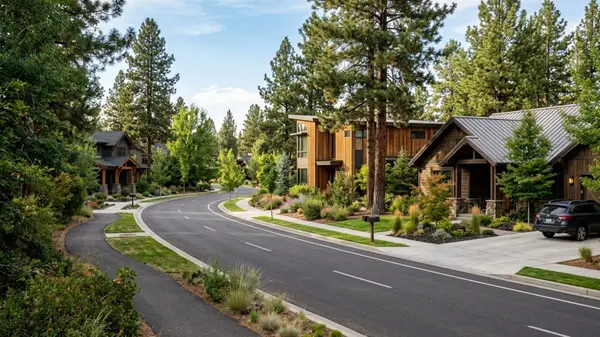
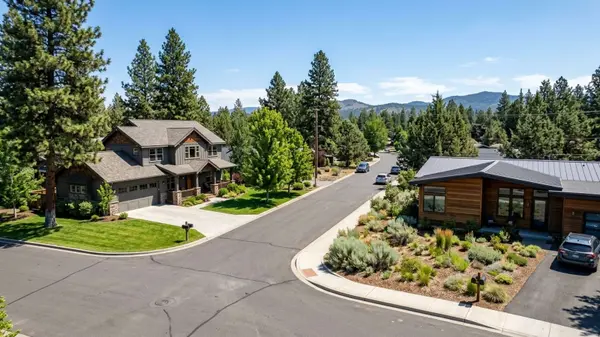
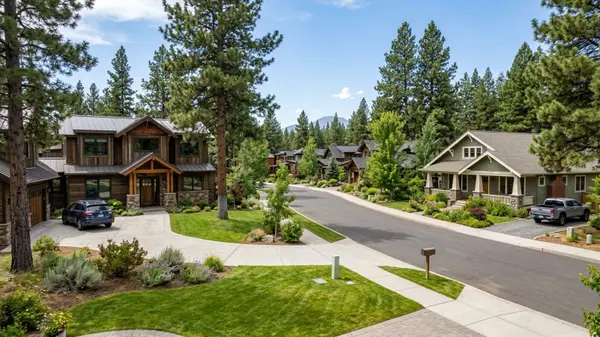
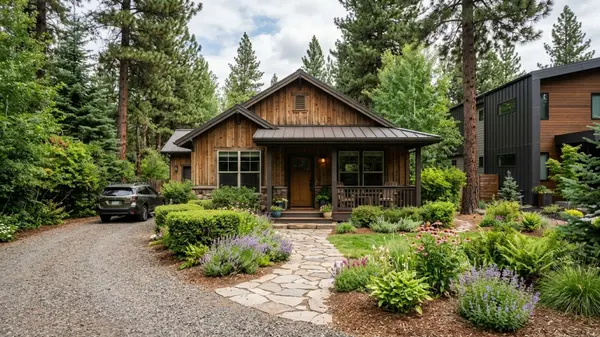
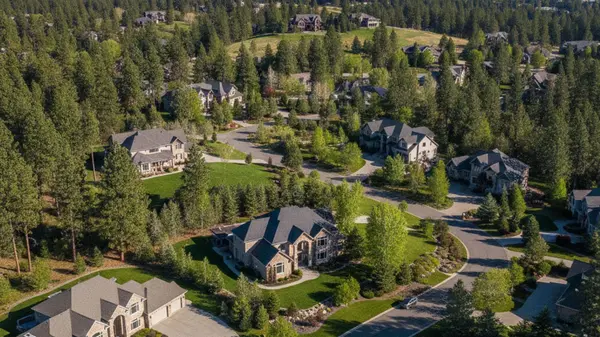
When you look at homes for sale in Sunriver, you will notice a wide mix of architectural styles. The inventory ranges from rustic 1970s cabins—often with that classic cedar smell and retro charm—to fully renovated luxury lodges and low-maintenance condos.
Here is a general idea of what pricing looks like right now:
- Single-Family Homes: Expect median price points to range generally from $800,000 to $1.5 million. The price depends heavily on updates, location, and proximity to the river or golf courses.
- Condos: These are a popular entry point, typically ranging from $400,000 to $700,000.
- Competition: It is not uncommon to see cash offers on prime properties, especially those that are "rental ready" with updated furniture and amenities.
Neighborhoods and Areas: North vs. South End
While Sunriver feels like one cohesive community, locals and frequent visitors know there is a distinct difference between the North and South ends. Understanding this geography is key to finding the right property for your lifestyle goals.
The South End is the hub of activity. If you want to be walking distance to The Village at Sunriver, the Sunriver Homeowners Aquatic & Recreation Center (SHARC), and the main lodge, this is where you look. It is busier, which is great for short-term rental demand, but it comes with more foot and bike traffic. The Meadows Golf Course winds through this area, offering great fairway views for many properties.
The North End offers a quieter, more residential vibe. The lots often feel a bit more wooded and secluded. It is home to the Woodlands Golf Course and generally feels more removed from the tourist bustle. For buyers seeking a true quiet mountain retreat, the North End is often the preference.
If you are looking for luxury beyond the standard Sunriver borders, you might also look at adjacent gated communities like Caldera Springs or Crosswater. These areas offer larger lots and exclusive amenities, though they come with a higher price tag and different HOA structures.
Understanding the Total Cost of Ownership
Buying the home is just the first step; understanding the carrying costs is vital for your monthly budget. In a resort community, your financial obligations go a bit beyond the mortgage.
Sunriver Owners Association (SROA) Fees Almost every property falls under the SROA. These fees—typically ranging between $150 and $200 per month—cover a lot of the heavy lifting that keeps property values high. This includes snow removal on the main roads (essential in winter), maintenance of the 34 miles of pathways, common area landscaping, and security services.
Property Taxes Deschutes County property taxes are generally reasonable compared to some other states, usually hovering around 1.0% to 1.2% of the assessed value. However, assessed value can reset upon sale or major renovation, so it is smart to check the specific tax history of any property you are eyeing.
Utilities and Insurance Don't underestimate utility costs in the high desert. Winters are cold, meaning heating bills can spike, and summers are getting warmer, making A/C usage more common.
Perhaps the most critical cost to investigate early is homeowners insurance. Because Sunriver is in a fire-prone ecosystem, some standard carriers have pulled back. You may need to look at specialty wildfire coverage or ensuring the home meets "defensible space" criteria to secure a policy. Premiums can be higher here than in the valley, so get a quote during your due diligence period.
Resort Amenities and the SHARC Assessment
When assessing value, amenities are a huge factor. The crown jewel is the SHARC (Sunriver Homeowners Aquatic & Recreation Center). This facility features indoor and outdoor pools, a lazy river, and slides.
For a vacation rental, having SHARC passes available for your guests is almost a requirement to command top-tier nightly rates. Owners get access, but the specific number of guest passes attached to a property can vary. Beyond the pools, owners enjoy access to tennis and pickleball courts, the marina for kayaking on the Deschutes River, and those famous paved bike paths that allow you to go anywhere in the community without a car.
Buying a Vacation Rental: ROI and Regulations
Many buyers look at Sunriver real estate listings with the intent of offsetting costs through short-term rentals. The demand here is strong year-round, balancing summer adventurers with winter skiers heading to Mt. Bachelor.
If you plan to rent, here is how the numbers usually break down:
- Management Fees: If you hire a full-service local property manager, expect to pay between 20% and 30% of your gross rental revenue. This pays for marketing, cleaning coordination, and guest services.
- Taxes: You will need to collect and remit transient room taxes, which generally total around 8% to 10%.
- Regulations: The SROA and Deschutes County have strict rules regarding occupancy limits, noise, and parking. Compliance is taken seriously here to maintain the peace for full-time neighbors.
To maximize your income, focus on properties with the right amenities. A private hot tub is non-negotiable for winter bookings. Air conditioning is becoming a must-have for summer guests. Homes with updated interiors that feel like a "modern cabin" tend to outperform dated properties significantly.
Financing a Second Home or Investment Property
Securing a loan for a Sunriver property can be different than buying your primary residence. Lenders categorize these differently, and it impacts your interest rate and down payment.
Second-Home Loans If you plan to stay in the home for a portion of the year (usually 14 days or 10% of the rental days), you may qualify for a second-home loan. These typically offer better interest rates and require lower down payments than investment loans.
Investment Property Loans If the property is purely for income and you do not intend to use it personally, you will likely need an investment loan. These often come with higher interest rates and stricter reserve requirements.
Also, be aware of "condo-tels" or non-warrantable condos. Some condo complexes in Sunriver have high rental concentrations or front-desk operations that make them ineligible for standard conventional financing. Working with a local lender who understands Central Oregon real estate can save you a lot of headaches here.
The Buying Process: From Search to Closing
Because this is a specialized market, working with a local agent who knows the specific history of Sunriver homes is crucial. A generalist might miss nuances about snow loads or HOA compliance.
Inspections Matter In the mountains, the elements take a toll. During your inspection period, you should specifically ask for:
- Dry Rot Inspection: Wooden decks and siding are prone to rot due to snow sitting against the wood.
- Sewer/Septic Scope: Some older homes are still on septic systems or have aging sewer lines.
- Snow Load Damage: Check roof structures for stress signs from heavy winter snows.
Timing Your Buy Inventory usually peaks in late spring and summer, giving you the most options. However, buying in late fall or winter can sometimes yield better deals, as sellers may be motivated to offload the holding costs before the snow flies.
Making Sunriver Your Home Base
Owning a home in Sunriver is an investment in a lifestyle. It is about waking up to the smell of pine trees, spending your days on the river or the slopes, and ending the evening by a fire. While the costs and maintenance of a high-desert home are real, the memories created here are the return on investment that matters most.
Whether you are looking for a cozy condo or a sprawling lodge, the market moves fast. Reach out to a real estate professional who specializes in Sunriver to start your search and find the perfect basecamp for your adventures.
Frequently Asked Questions
Is Sunriver a good place to invest in real estate?
Yes, Sunriver remains a strong market for investment due to its dual-season appeal. Demand for vacation rentals is consistent in both summer (golf, river, hiking) and winter (skiing at Mt. Bachelor), which helps stabilize rental income compared to single-season resort towns.
How much are HOA fees in Sunriver?
Sunriver Owners Association (SROA) fees typically range from $150 to $200 per month depending on the year and property type. These fees are vital as they cover snow removal on main roads, security, and the maintenance of the extensive bike path network and common areas.
Can I rent out my Sunriver home as a vacation rental?
Yes, short-term rentals are permitted and very common in Sunriver, but you must adhere to strict regulations. You will need to obtain a rental license, pay transient room taxes, and follow occupancy and parking rules enforced by the SROA and Deschutes County.
What is the best time of year to buy a house in Sunriver?
Inventory is generally highest in late spring and throughout the summer, offering buyers the most choices. However, buying in late autumn or winter can sometimes provide leverage for negotiation, as there is less competition from other buyers.
Categories
Recent Posts