Navigating Financial Assistance and Homebuyer Programs in Bend, OR
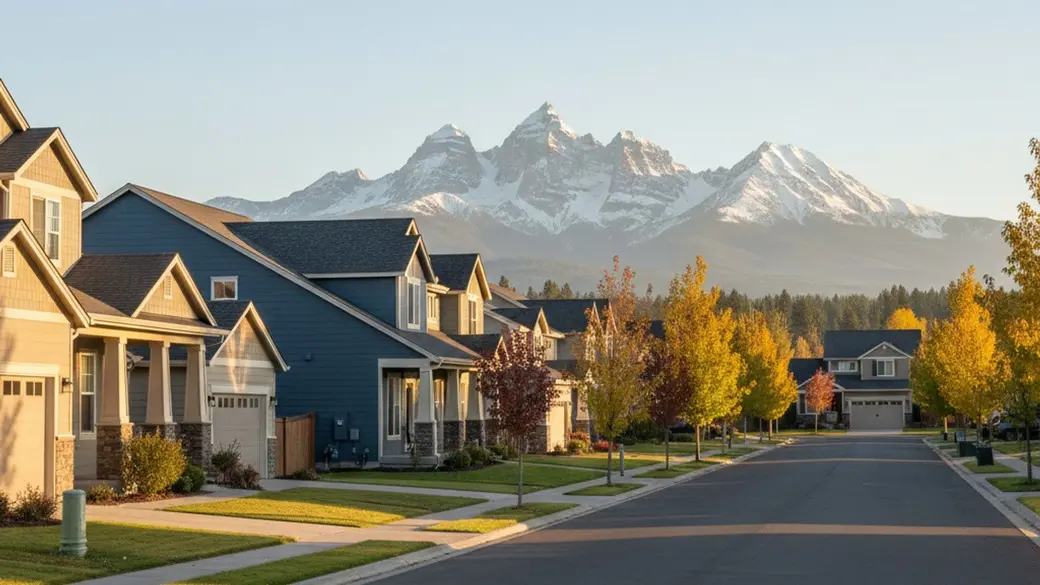
Let’s be real for a minute: looking at home prices in Bend can feel a little like staring up at Pilot Butte—steep and intimidating. We all know the story. As Bend has grown from a quiet mill town into a premier outdoor destination, the median home price has climbed right alongside its popularity. For many locals, the monthly mortgage payment isn't the only hurdle; it’s that massive, upfront cash requirement for a down payment.
But here is the good news that doesn't always make the headlines: you don't necessarily need to have 20% of the purchase price sitting in your savings account to buy a home here.
There is a robust network of financial assistance and homebuyer programs in Bend designed specifically to bridge the gap between what you have and what you need. These aren't just for low-income buyers; many are targeted at the "missing middle"—teachers, healthcare workers, and service industry pros who make a decent living but can't outpace the market's appreciation.
In this guide, we are going to break down the difference between local resources (specific to Deschutes County) and statewide Oregon programs. We’ll also talk about "stacking"—the strategy of combining these programs to maximize your purchasing power. If you are a first-time buyer or just trying to get back into the market, this is your roadmap.
Local Resources: NeighborImpact & City of Bend Initiatives
When we talk about buying in Bend specifically, the heavy hitter you need to know about is NeighborImpact. While state programs are great, local programs often have higher lending limits because they understand the unique cost of living in Central Oregon.
The NeighborImpact Down Payment Assistance (DPA) program is arguably the most powerful tool for buyers in our area. Unlike some programs that offer a small flat fee, this program functions as a revolving loan fund that can provide substantial backing.
Here is how it works on the ground:
It acts as a second mortgage. You aren't getting a bag of free money; you are getting a loan that sits behind your primary mortgage (a "second lien"). The beauty of this loan is the terms. It is typically a deferred loan, meaning you often don't make monthly payments on it. Instead, you repay the principal plus a share of the equity when you eventually sell the home, refinance, or pay off the first mortgage.
The loan amounts are significant. State programs often cap out at a small percentage, but NeighborImpact’s program has been known to cover up to 20% of the purchase price. In a market where homes often push past $500,000, that 20% coverage is the difference between renting and owning. This funding is often fueled by the City of Bend Affordable Housing Fund, which helps subsidize these loans and sometimes supports developer fee exemptions to keep the base price of new units lower.
It targets the "Missing Middle." Eligibility is based on Area Median Income (AMI). While this fluctuates year to year, the program generally targets households earning between 80% and 120% AMI. For a family in Deschutes County, this effectively means households earning roughly in the $114,000 to $146,000 range (depending on family size and current year stats) might still qualify.
You still need some skin in the game. While the assistance is massive, it’s not 100%. Borrowers are usually required to contribute a minimum amount from their own funds—typically around 1% of the purchase price. On a $500,000 home, that means you need to bring $5,000 to the table, while the program helps with the heavy lifting.
Statewide OHCS Homebuyer Programs Available in Deschutes County
If you don't fit the specific criteria for the local NeighborImpact program, or if you are looking to layer more assistance on top of it, you need to look at Oregon Housing and Community Services (OHCS). These are state-level programs available to buyers right here in Bend.
OHCS programs generally fall into two buckets: the Flex Lending Program and the Oregon Bond Residential Loan Program.
The Flex Lending Program is versatile. It pairs a standard first mortgage with a second loan to cover your down payment and closing costs. It’s designed to be adaptable to different income levels.
The Oregon Bond Residential Loan Program is the more traditional route. It offers below-market interest rates. In today's interest rate environment, shaving even half a percentage point off your rate can save you hundreds of dollars a month.
It is important to note the distinction in "First-Time Buyer" status. The FirstHome products within these programs strictly require you to be a first-time buyer (defined as not owning a home in the last three years). However, the NextStep products under Flex Lending may not have that strict requirement, opening the door for repeat buyers who still fall within the income caps (generally capped around $125,000 for the Flex NextStep option).
Deep Dive: The OHCS Flex Lending Program
The Flex Lending program is popular because it directly attacks the "cash to close" problem. If you have the income to make the monthly payment but your savings account looks a little thin, this is where you look.
-
Assistance Amount: The program typically provides 4% or 5% of the loan amount to be used for your down payment or closing costs. On a $450,000 loan, 5% is $22,500—a huge help for covering closing costs.
-
Forgivable vs. Repayable: This is a crucial detail. If your income is lower (generally under 80% AMI), the second loan for the down payment might be forgivable, meaning the balance is wiped clean over time if you stay in the home. However, for moderate-income borrowers (80-100% AMI), it is often a repayable 10-year loan with a modest interest rate.
-
Credit Score: You don't need perfect credit, but you do need to be solid. The minimum credit score is usually 620.
-
Property Limits: The home must be your primary residence. You cannot use this program to buy a vacation rental or an investment property.
Oregon Bond Residential Loan Program: Cash vs. Rate Advantage
When you choose the Oregon Bond Program, you are essentially standing at a fork in the road. You have to decide what matters more to your budget: upfront cash help or long-term monthly savings.
The Cash Advantage: This option gives you cash assistance—usually 3% of the loan amount—to help with closing costs and the down payment. The trade-off is that the interest rate on your main mortgage will be slightly higher than the "Rate Advantage" option. This is best for buyers who are tight on cash right now and willing to pay a little more monthly to get the keys.
The Rate Advantage: This path offers no cash assistance. You are on your own for the down payment and closing costs. However, in exchange, you get the lowest possible interest rate available through the program. Over the life of a 30-year loan, this can save you tens of thousands of dollars. This is the smart play for buyers who have saved up a down payment but want to keep their monthly obligation as low as possible.
Purchase Price Limits: Be aware that the Bond program has purchase price limits. In Deschutes County, these limits generally range between $480,000 and $830,000, depending on whether you are buying in a "Targeted" or "Non-Targeted" area. Your lender can look up the specific census tract of the home you want to buy to see which limit applies.
USDA Rural Development: Options for Bend's Outskirts
Sometimes the best way to afford a home in Bend is to look just outside of Bend. This is where USDA Rural Development loans come into play.
Here is the catch: You cannot use a USDA loan inside the Bend city limits. The population is too high. However, once you cross into areas like Tumalo, La Pine, and parts of Redmond, the map opens up.
The Zero Down Appeal: The USDA loan is famous for one thing: 100% financing. That means zero down payment is required. If you are willing to commute 15 or 20 minutes into Bend, you can bypass the down payment hurdle entirely.
Income Limits: USDA loans are strictly for low-to-moderate income households. The caps are firm. For a 1-4 member household in our area, the limit is approximately $119,850 (always check current year tables). If you earn significantly more than this, you will likely be ineligible.
Property Requirements: The home must be "modest, safe, and sanitary." USDA appraisers are strict about condition. They generally won't approve a fixer-upper with peeling paint or a bad roof. They want to ensure the home is livable immediately so the borrower isn't hit with huge repair bills they can't afford.
How to Stack Programs: Making Financial Assistance Work Together
This is where an experienced local lender earns their commission. You don't always have to pick just one program. In many cases, you can "stack" them to create a powerful layer cake of financing.
The Layer Cake Strategy: Imagine this scenario: You get a primary mortgage. Then, you use the OHCS Flex Lending program to cover your closing costs. On top of that, you apply for NeighborImpact assistance to cover a chunk of the principal balance. Suddenly, a home that felt out of reach is mathematically possible.
The Lender Role: You cannot do this alone, and you can't do it with just any online lender. You need a loan officer who is certified in both state OHCS programs and local NeighborImpact programs. Not all lenders participate in both. When you are interviewing lenders, ask them specifically: "Do you have experience layering OHCS Bond loans with NeighborImpact second liens?"
Timing and Patience: Free or cheap money comes with a cost: time. Applying for Down Payment Assistance (DPA) adds layers of paperwork and review. A standard closing might take 30 days, but a deal involving stacked assistance might take 45 to 60 days. You need to write your offer with a longer closing window to ensure all the agencies have time to approve the funds.
Eligibility Checklist & Education Requirements
While every program has its own fine print, there are some universal "vegetables" you have to eat to qualify for almost any assistance in Oregon.
Homebuyer Education is Mandatory: You cannot skip this. Almost every assistance program requires you to complete a homebuyer education course. In our area, NeighborImpact (via HomeSource) and DevNW are the primary providers. These classes aren't just a hoop to jump through; they teach you about budgeting, maintenance, and the legalities of owning a home.
-
Cost: Expect to pay between $75 and $99 for the course.
-
Tip: Take the class before you find a house. The certificate is good for a year, and having it ready proves to sellers you are serious.
Credit Score Benchmark: While FHA loans can sometimes go lower, most down payment assistance programs require a minimum credit score of 620. If you are on the borderline, talk to a lender about a "rapid rescore" or strategies to bump your number up a few points before applying.
Primary Residency Only: We mentioned this before, but it bears repeating: These programs are for people who plan to live in the house. You cannot use them to buy an Airbnb or a rental property.
The 3-Year Rule: Most programs define a "first-time homebuyer" as someone who has not owned a primary residence in the last three years. Even if you owned a home ten years ago, if you have been renting for the last four years, you are likely considered a "first-time buyer" again in the eyes of these programs.
Frequently Asked Questions
Do financial assistance and homebuyer programs in Bend work together?
Yes, absolutely. This is often called "stacking" or "layering" assistance. It is common for buyers to combine a state-level program (like the Oregon Bond) with a local resource (like NeighborImpact) to maximize their down payment and cover closing costs simultaneously.
What is the income limit for down payment assistance in Deschutes County?
It varies by program, but it is higher than many people expect. While some federal programs cap at 80% of the Area Median Income (AMI), local workforce housing programs often go up to 120% AMI. This means households earning roughly between $114,000 and $146,000 may still qualify for significant assistance.
Can I use the Oregon Bond Program for a home in Bend?
Yes. The Oregon Bond Residential Loan Program is a statewide initiative available to eligible buyers within the Bend city limits. You just need to ensure the home price falls within the purchase price limits for Deschutes County (approx. $480k–$830k depending on the specific area).
Does NeighborImpact offer grants or loans?
NeighborImpact primarily offers loans, not grants. Specifically, they offer a deferred second mortgage. This means you generally do not make monthly payments on the assistance amount, but you must repay the loan (plus a share of equity) when you sell the home, refinance, or pay off your main mortgage.
Who qualifies as a first-time homebuyer in Oregon?
In the eyes of most assistance programs, a first-time homebuyer is anyone who has not owned a primary residence in the past three years. This means even if you owned a home previously, you could regain your "first-time" status after renting for three years.
Categories
Recent Posts