First time home buyer tips: 2025 Guide
First Time Home Buyer Tips: A Local Agent’s Guide to Getting It Right
Buying your first home is one of the biggest milestones in life, but if you have ever felt like the process is written in a foreign language, you are not alone. Between mortgage acronyms and fluctuating interest rates, it is easy to feel overwhelmed.
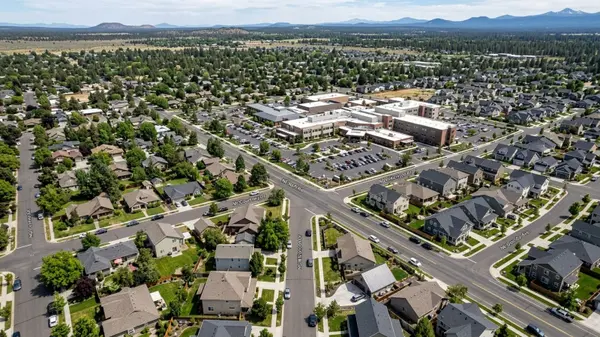
Think of this guide as a coffee chat with a local agent. We are going to walk through the real numbers, the timeline, and the "gotchas" that usually catch buyers off guard. Whether you are looking at PGA Village homes for sale or checking out the newest construction in Port St. Lucie, having a clear roadmap makes all the difference.
Let’s dive into the essential checklist for making your first purchase a success.
Assess Your Financial Readiness
Before we ever look at a listing or step into an open house, we need to look at your financial foundation. This is the unglamorous part of the process, but it is the most critical.
Start by pulling your credit report. Your credit score is the gatekeeper for your interest rate and loan options. Generally, a score of 620 is the baseline for Conventional loans, while FHA loans can sometimes work with scores between 500 and 580. Checking this early gives you time to fix errors or pay down balances if your score needs a boost.
Next, you need to understand your Debt-to-Income (DTI) ratio. Lenders look at how much of your monthly gross income goes toward debt payments like student loans, car notes, and credit cards. Most lenders want to see a DTI below 43%, though ideally, it is lower.
Finally, calculate your own "sleep at night" budget. Just because a lender says you qualify for $450,000 doesn’t mean you should spend that much. A good rule of thumb is the 28/36 rule: keep your housing costs under 28% of your gross income and your total debt under 36%. You want to enjoy living in Port St. Lucie, not just pay for the roof over your head.
Understand the Costs: It’s More Than Just the Price
One of the biggest shocks for first-time buyers is the amount of cash required upfront. It is not just the down payment; there are fees and prepaid items that add up quickly.
Let's talk about the Down Payment. There is a persistent myth that you need 20% down to buy a home. That is simply not true for most buyers. While 20% helps you avoid Private Mortgage Insurance (PMI), many buyers purchase with as little as 3% for Conventional loans or 3.5% for FHA loans.
However, you also need to budget for Closing Costs. These are the fees paid to third parties to facilitate the transaction—think lenders, title companies, and government recording fees. In our area, these typically range from 2% to 6% of the loan amount. You cannot roll these into the mortgage usually; they are cash due at signing.
Don't forget the ongoing "hidden" costs. Once you own the home, you are responsible for property taxes, homeowners insurance, and potentially HOA fees if you buy in a community like PGA Village Verano. A smart move is to budget about 1% of the home's value annually for maintenance repairs.
Explore First-Time Home Buyer Programs
If saving for that down payment feels like an uphill battle, you might have more options than you think. The government backs several loan types designed specifically to help people get into homes with lower upfront costs.
FHA Loans are a popular choice if your credit score is still a work in progress or if you have a smaller down payment. They are more forgiving on credit issues but do require a mortgage insurance premium.
If you are an active-duty service member or a veteran, VA Loans are incredible products. They often offer $0 down payment options and have very competitive interest rates. Similarly, USDA Loans offer $0 down payment options for properties in eligible rural or suburban areas. You might be surprised to find which parts of St. Lucie County still qualify for these.
It is also worth checking into state or local Down Payment Assistance (DPA) programs. These can sometimes provide grants or low-interest second mortgages to cover your upfront costs.
Get Pre-Approved (Not Just Pre-Qualified)
There is a big difference between browsing Port St. Lucie golf communities online and actually being ready to write an offer. That difference is a pre-approval letter.
A pre-qualification is just a rough estimate based on what you tell a lender. A Pre-Approval, on the other hand, means a lender has verified your income, pulled a hard credit check, and reviewed your assets. It is a formal commitment to lend you a specific amount.
In a competitive market, sellers might not even look at your offer without one. A pre-approval letter shows them you are a serious buyer who can actually close the deal. It also gives you a hard price ceiling so you don't fall in love with a house you can't finance.
Build Your Team and Start the Hunt
Once the money is sorted, it is time to find the right people to help you shop.
First, hire a buyer’s agent who knows the local area inside and out. In most cases, the buyer’s agent commission is paid from the seller's proceeds, meaning you get professional representation at no direct cost to you. A local expert can tell you the difference between living in Cresswind at PGA Village Verano versus a non-gated neighborhood nearby.
Before you start touring, sit down and make a "Needs vs. Wants" checklist. Needs are non-negotiables: the number of bedrooms, commute time, or a one-story layout. Wants are things like granite countertops or a pool—things that can be added later.
When researching neighborhoods, look beyond the house itself. Drive through the area at different times of day. Check the proximity to schools, grocery stores, and parks. Keep in mind that fair housing laws prevent agents from steering you based on demographics, so rely on your own observation to determine if a neighborhood fits your lifestyle.
Make an Offer and Negotiate
You found the one. Now comes the nerve-wracking part: submitting the offer.
Your agent will run "comps" (comparable sales) to see what similar homes nearby have sold for recently. This helps you determine a fair price so you don't overpay.
A strong offer isn't just about price; it's about terms. You will likely include contingencies for things like inspection, appraisal, and financing. These are your escape hatches—if the house has major issues or the loan falls through, you can get your deposit back.
Speaking of deposits, be ready to write a check for Earnest Money. This is a good-faith deposit, typically 1% to 3% of the purchase price, that shows the seller you are committed. It goes into an escrow account and is applied to your down payment at closing.
The Closing Process: Inspection to Keys
Once your offer is accepted, the clock starts ticking. This period usually takes 30 to 45 days, and it is busy.
The first major hurdle is the Home Inspection. Never skip this. An inspector will check the roof, AC, plumbing, and electrical systems. If they find major issues, you can ask the seller to fix them or credit you the money to do it yourself.
While you handle the inspection, your lender will order an Appraisal. This ensures the home is actually worth what you are paying for it. If the appraisal comes in low, we have to renegotiate or you might have to bridge the gap in cash.
Finally, your file goes to Underwriting, where the lender double-checks everything. Do not quit your job or move large sums of money during this time! Once you get the "Clear to Close," you'll do a final walkthrough to make sure the house is empty and in good shape. Then, you sign the papers, pay your closing costs, and get the keys.
Common First-Time Buyer Mistakes to Avoid
Even with a great team, it is easy to make unforced errors. Here are a few traps I see buyers fall into constantly.
The biggest one is opening new credit lines before closing. I have seen deals fall apart because a buyer went out and bought furniture or a new car a week before closing day. It changes your DTI ratio and can disqualify you from the loan immediately. Wait until you have the keys in hand.
Another mistake is maxing out your budget. Just because you qualify for a certain amount doesn't mean you should spend it all. You don't want to be "house poor," where you have a lovely home but no money left over for travel, dining out, or emergencies.
Lastly, don't overlook the neighborhood for the sake of a nice kitchen. You can always upgrade a countertop, but you cannot move the house. If the location means a miserable commute or being far from amenities you use, the shiny appliances won't make up for it.
Frequently Asked Questions
How much do first-time home buyers need to put down?
You typically do not need 20% down. Most first-time buyers put down between 3% and 5% for Conventional loans, or 3.5% for FHA loans. Some programs, like VA and USDA loans, even allow for 0% down if you qualify.
What is the very first step in buying a home?
The very first step is checking your finances and getting pre-approved by a lender. You need to know exactly how much you can borrow and what your monthly payment will look like before you start falling in love with houses.
Do I pay the real estate agent fees?
In most standard residential transactions, the seller pays the commission for both their agent and the buyer’s agent. This means you generally get professional representation and guidance throughout the process without paying a direct fee.
How long does the home buying process take?
From the moment your offer is accepted to the day you get the keys, the process usually takes 30 to 45 days. However, finding the right home before that can take anywhere from a few weeks to several months depending on inventory and your specific needs.
Categories
Recent Posts