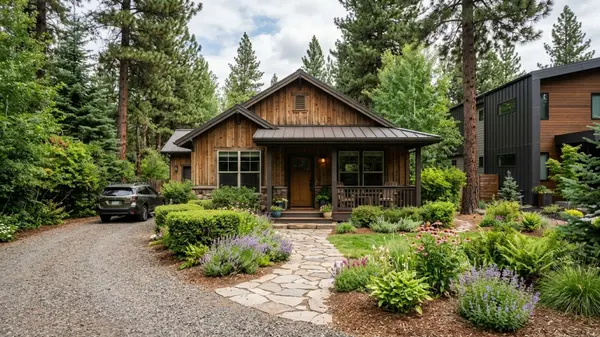
Fall home tips: Cozy Seasonal Guide

Why Fall Maintenance is Critical for Your Home's Value
Let's be honest for a second—nobody gets excited about cleaning gutters on a Saturday afternoon. But as a real estate strategist, I tell my clients to look at fall maintenance through a different lens: it’s not just chores, it’s asset protection.
Fall is that crucial "shoulder season" where the weather is forgiving enough to work outside, but the clock is ticking before the harsh stuff hits. The goal here is simple: seal up the building envelope. You want to make sure your home is tight, dry, and ready to handle whatever winter throws at it.
When we look at property values, "deferred maintenance" is a massive red flag. I’ve walked through countless homes with buyers where a small water stain on the ceiling (caused by a clogged gutter two winters ago) creates suspicion about the whole house. Spending a little time and money now—like grabbing a $10 tube of caulk—often prevents the kind of rot and mold disasters that cost thousands later. Plus, there’s a real peace of mind in knowing your biggest investment is secure when the temperature drops.
Exterior Defense: Roof, Gutters, and Siding
The first place we need to look is your home’s exterior shell. Think of this as your first line of defense against moisture. If water gets in and freezes, it expands, and that is where the expensive structural damage happens.
Clean Gutters & Downspouts
This is the big one. If your gutters are full of leaves, water can't drain. In freezing temps, that trapped water turns into ice dams, which can back up under your shingles and leak right into your walls. You want to make sure those downspouts are clear and directing water at least 5 feet away from your foundation.
Roof Inspection
You don’t necessarily need to climb up there if you aren't comfortable. Grab a pair of binoculars and scan your roof from the yard. You’re looking for shingles that are lifted, curled, or completely missing. Catching a loose shingle now is a cheap repair; fixing a leak in the middle of a February snowstorm is a nightmare.
Siding, Paint, and Foundation
Take a walk around the perimeter of your house. Check for peeling paint or cracks in your siding where moisture could sneak in. While you're at it, look at the foundation. If you spot new cracks, you want to seal them up before the ground freezes and potentially makes them wider.
Curb Appeal & Landscape: Winterizing the Yard
Even if you aren't planning to sell until spring, what you do in the yard now dictates how good the home looks then. Landscaping is a significant part of your property’s value—usually 5-15%—so protecting those plants is protecting your equity.
Lawn Care
Don't put the mower away just yet. Late fall is actually the best time to aerate and fertilize. The grass roots are still active even if the blades aren't growing fast, so feeding them now leads to a lush, green lawn as soon as the snow melts.
Tree Trimming
Take a look at the trees overhanging your roof or driveway. Dead branches are heavy, and when you add the weight of snow or ice, they snap. Trimming them back now prevents damage to your roof or power lines during winter storms.
Water Systems
If you only do one thing from this list, let it be this: disconnect your garden hoses. I see this all the time—homeowners leave a hose attached, the water inside freezes, and it bursts the pipe inside the wall. It’s a messy, expensive flood that is 100% preventable. Also, make sure to drain your sprinkler systems so the lines don't crack underground.
Leaves
Finally, deal with the leaves. If you leave wet piles of leaves on your grass all winter, they can encourage mold growth and suffocate your turf. Mulch them with your mower or rake them up to keep the yard healthy.
Interior Systems: Heating, Efficiency, and Safety
Once the outside is secure, let's move indoors. This is all about efficiency, safety, and keeping your utility bills from spiking.
HVAC Tune-Up
I always recommend scheduling a professional furnace inspection in the fall. Technicians get incredibly busy once the first cold snap hits, so beat the rush. A tune-up usually costs between $89 and $159, but it ensures your system is running efficiently and safely. While you're at it, change your filter now and plan to swap it out monthly during heavy use months.
Seal the Envelope
Drafty windows are like throwing money out the window. Check your window frames and door jambs for drafts. If the weatherstripping is worn out or the caulk is cracked, replace it. It’s an easy DIY project that makes a noticeable difference in comfort.
Fireplace & Chimney
If you have a wood-burning fireplace, get the chimney swept. Creosote buildup is a real fire hazard. Even gas fireplaces should have the damper checked to ensure it opens and closes properly so you aren't losing heat when it's not in use.
Safety Detectors & Fans
This is a great time to test your smoke and carbon monoxide detectors. If they are older than 10 years, replace the whole unit, not just the batteries. Also, take a second to reverse your ceiling fans to run clockwise. This pushes warm air that rises to the ceiling back down into the room, which can actually help lower energy bills.
The Ultimate Fall Home Maintenance Checklist
Here is a quick summary you can screenshot or print out to keep you on track this season.
- Exterior:
- Clean gutters and downspouts thoroughly.
- Inspect roof for loose shingles.
- Check siding and foundation for cracks.
- Landscaping:
- Disconnect all garden hoses and drain sprinklers.
- Trim dead tree branches.
- Aerate and fertilize the lawn.
- Rake or mulch leaves.
- Interior:
- Schedule furnace tune-up and change filters.
- Check windows/doors for drafts and re-caulk.
- Test smoke and CO detectors.
- Sweep the chimney.
- Equipment:
- Winterize your lawn mower (stabilize fuel).
- Check your snow shovel condition and stock up on ice melt.
Frequently Asked Questions
When should I start fall home maintenance?
Ideally, you want to start in early fall, around late September or October, before the leaves have finished falling but before the first hard freeze. This gives you comfortable weather to work in and ensures your home is sealed up before winter conditions make exterior repairs difficult or impossible.
Is a furnace tune-up really necessary every year?
Yes, it is highly recommended. Aside from keeping your warranty valid, a yearly tune-up catches small issues—like a cracked heat exchanger or a failing sensor—before they become emergency breakdowns in the dead of winter. It also keeps the system running efficiently, which helps you winterize your home without overspending on fuel.
What is the most ignored fall maintenance task?
Disconnecting garden hoses is the most commonly overlooked task, and it causes significant damage. Homeowners often assume a "frost-proof" faucet is safe, but if a hose is attached, water gets trapped and can freeze back into the pipe, causing it to burst inside the house.
Does fall maintenance increase home value?
Absolutely. Consistent maintenance prevents the "deferred maintenance" label that devalues homes during inspections. A well-maintained home shows buyers that the property has been cared for, which allows you to maintain your home's value and often commands a higher price when you decide to sell.
Categories
Recent Posts