
Fall home maintenance tips: 2025 Guide
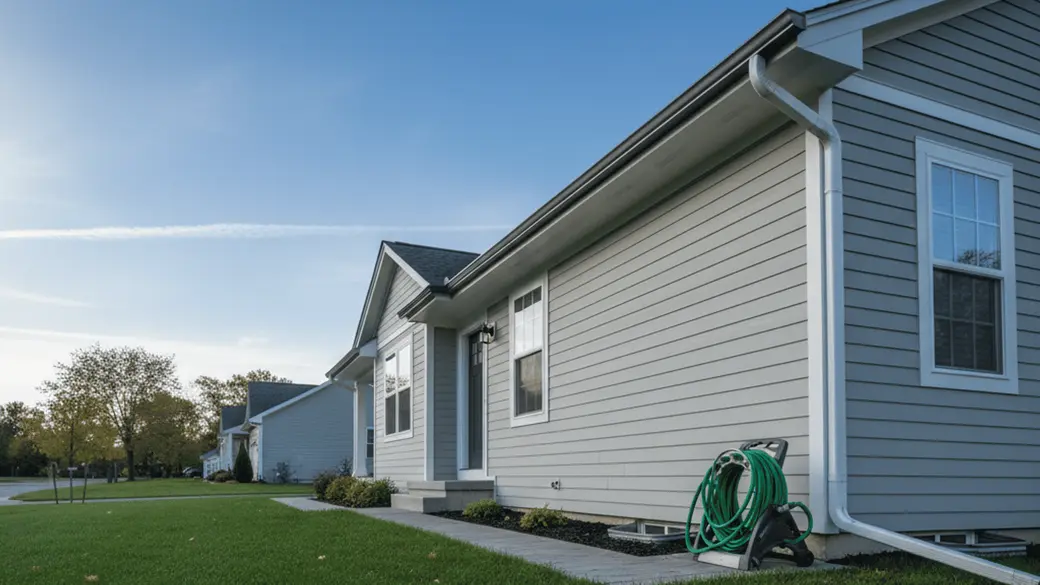
Fall Home Maintenance Guide: Protect Your Investment Before the Freeze
There is a specific window of time every year that I like to call the "Goldilocks" season for homeowners. It’s that crisp period in early autumn when it’s cool enough to work comfortably outside without breaking a sweat, but the ground and your fingers haven't frozen yet. This is the absolute best time to tackle the maintenance tasks that will keep your home running smoothly through winter.
Many people think of home maintenance as just a list of chores, but I always tell my clients to look at it differently: it’s asset protection. Taking a weekend to prepare your home for winter isn't just about comfort; it's about avoiding the kind of catastrophic repairs that happen when pipes freeze or water infiltrates the foundation. A little prevention now helps you maintain your home's value and prevents the panic of an emergency call to a plumber in the middle of January.
Exterior Maintenance: Protect Your Home's Shell
The most critical part of fall prep is water management. When water freezes, it expands, and that physics equation can wreak havoc on your home’s exterior if you aren't careful. We want to make sure that rain and melting snow flow away from your house, not into it.
Start by looking up at your gutters and downspouts. If they are clogged with autumn leaves, water can back up and freeze, creating what we call "ice dams." These are thick ridges of solid ice that form at the eaves, preventing melting snow from draining. That water has to go somewhere, so it often backs up under your shingles and leaks into your attic. If you aren't comfortable on a ladder, hiring a pro for a gutter cleaning typically costs between $150 and $300 depending on the size of your house—a small price compared to water damage repairs.
Next, take a look at your roof. You don't necessarily need to climb up there; a good pair of binoculars works wonders from the ground level. You are looking for loose, damaged, or missing shingles, as well as any cracked flashing around the chimney or vent pipes. These are the weak points where winter moisture will try to enter. While you are inspecting the perimeter, check your siding and foundation for cracks. Small gaps might seem harmless, but mice are looking for a warm winter home just like you are, and water that freezes in those cracks can widen them significantly.
Finally, deal with your outdoor plumbing. This is the single most common cause of winter disasters. Disconnect your garden hoses and store them away. If you leave them attached, water gets trapped in the spigot and can freeze back into the pipe inside the wall. Shut off the water to exterior faucets from the inside valve and open the outdoor handle to drain the line. Water damage from burst pipes is a massive headache, often costing homeowners upwards of $10,000 to repair, so this five-minute task is non-negotiable.
Landscaping and Yard Prep
Once the house itself is secure, turn your attention to the yard. You want your landscaping to survive the cold so it bounces back green and healthy when spring rolls around.
Give your lawn a little extra attention before the first hard frost. Late fall is actually a great time to aerate and fertilize because it strengthens the roots, giving the grass a better chance of surviving the winter stress. You also want to stay on top of raking. I know it’s tedious, but letting a thick layer of leaves sit on your lawn all winter can suffocate the grass and breed mold. If you don't want to rake, mulch them with your mower to feed the soil.
Speaking of mowers, don’t just shove your equipment in the shed and forget about it. If you leave gas in the tank all winter, it can degrade and gum up the carburetor. Add a fuel stabilizer to your mower and run it for a few minutes to circulate it, or drain the tank completely. Also, if you have an in-ground sprinkler system, you need to have it blown out to prevent the underground lines from cracking.
Take a walk around your property and look at your trees, specifically looking for dead branches. Heavy snow or ice storms can snap weak limbs easily. If a dead branch is hanging over your roof, driveway, or power lines, trim it now. You don't want a winter storm turning that branch into a projectile.
Interior Checks: Warmth, Safety, and Efficiency
Now that the outside is secure, let's head indoors. Your goal here is to keep the heat inside and the utility bills down.
Your HVAC system is the MVP of the winter months, so treat it nicely. Schedule a professional furnace tune-up to ensure everything is running safely and efficiently. At the very least, change your air filters. A clogged filter forces your furnace to work harder, which shortens its lifespan and raises your costs. While you are thinking about mechanics, check your sump pump if you have a basement. Pour a bucket of water into the pit to make sure the pump activates and ejects the water properly. You want to know it works before the snow starts melting.
Next, hunt down drafts. Walk around your home on a breezy day and feel for cold air around windows and door frames. Heating accounts for about 29% of the average utility bill, and drafty windows can increase your energy loss by 25–30%. That is literally money floating out the window. Apply fresh weatherstripping or caulk to seal those gaps. This is one of the easiest ways to improve energy efficiency and keep your home cozy.
If you have a wood-burning fireplace, safety is paramount. Over time, a substance called creosote builds up in the flue, which is highly flammable and the leading cause of chimney fires. Have a sweep inspect it before your first fire of the season; this usually costs between $225 and $400, which provides huge peace of mind.
Lastly, check your safety detectors. I always recommend swapping out the batteries in your smoke and carbon monoxide detectors when you change your clocks for Daylight Savings. Winter is when we seal our homes up tight and run heaters, fireplaces, and furnaces, making carbon monoxide checks essential for safety.
Regional Considerations: Cold vs. Mild Climates
Depending on where you live, your focus might shift slightly.
If you are in a cold climate where temperatures regularly drop below freezing and snow accumulates, your priority is insulation and plumbing. You need to be vigilant about preventing ice dams and ensuring your pipes are insulated against the deep freeze.
If you are in a milder climate that sees more rain and wind than snow, your focus should be on "weatherproofing" rather than "winterizing." Focus heavily on roof integrity to prevent leaks during winter storms, and ensure your drainage systems (gutters and grading) are moving high volumes of rainwater away from the foundation.
Frequently Asked Questions
When should I start my fall home maintenance?
You should aim to start in early autumn, ideally around late September or October. You want to complete exterior tasks like gutter cleaning and hose draining before the first hard frost hits your area.
What is the most important fall maintenance task?
If you only have time for one thing, focus on water management—specifically cleaning gutters and draining outdoor faucets. Water damage from ice dams or burst pipes is significantly more expensive and destructive than almost any other winter issue.
Can I perform a furnace inspection myself?
You can and should change the air filters yourself, but a full inspection requires a professional. An HVAC technician needs to check the heat exchanger for cracks, test the burner ignition, and verify safety controls, which are tasks best left to an expert.
Categories
Recent Posts