Bend Oregon 300 days of sunshine – Outdoor Adventure Guide
Bend Oregon 300 Days of Sunshine: Myth or Reality?
If you have spent any time looking into moving to Bend Oregon, you have almost certainly seen the statistic. It is plastered on brochures, mentioned by tour guides, and it is the first thing locals brag about to their friends back in Seattle or Portland.
"Bend gets 300 days of sunshine a year."
For anyone coming from the grey, drizzly Pacific Northwest, that number sounds like a different planet. It is the primary magnet that pulls people over the Cascade Mountains to living in Central Oregon. But as a local real estate professional, I like to be straight with people. Is it really sunny 300 days a year?
The short answer is: mostly, but with some asterisks. Let’s grab a coffee and break down what the weather here actually feels like, separate the marketing from the meteorology, and talk about how that high desert sun impacts your home and lifestyle.
Fact vs. Fiction: Does Bend Really Get 300 Days of Sun?
So, where does that "300 days" number come from? It has been a marketing tagline for decades, likely originating from early railroad advertisements or tourism boards trying to sell the high desert dream.
If you look strictly at the hard data from NOAA, the number of perfectly clear, cloudless days in Bend is closer to 158 per year. If you stopped reading there, you might feel shortchanged. However, that doesn't tell the full story.
In the meteorology world, days are often split into "clear," "partly cloudy," and "cloudy." Bend gets about 105 "partly cloudy" days a year. In many climates, "partly cloudy" implies overcast with breaks. In the high desert, it usually means big, white puffy clouds floating across a massive blue sky.
When you combine the crystal clear days with the partly cloudy days, you end up with roughly 260 days of usable, bright light. While that isn't quite the nice round "300" number, the difference in light quality compared to the Willamette Valley is staggering.
We also have what locals call "Bluebird Days." These are winter days immediately following a storm where the sky turns a deep, electric blue and the sun reflects off the snow. It is bright enough that you absolutely need sunglasses to drive, even in January.
The Science: Understanding the High Desert Climate
To understand why Bend Oregon climate is so different from the rest of the Pacific Northwest, you have to look at geography. We sit in a "rain shadow."
As moisture-heavy storms roll in off the Pacific Ocean, they hit the Cascade Mountains. The mountains act like a sponge, wringing out almost all that water on the west side (creating the lush forests of the valley). By the time the air pushes over the peaks and down into Central Oregon, it is dry and clear.
There are two other major factors to keep in mind:
Elevation Matters Bend sits at roughly 3,623 feet. The air here is thinner and holds less heat. This means the sun feels more intense on your skin (high UV), but the air temperature stays cooler than you might expect for how sunny it looks.
The Diurnal Shift This is the fancy term for "temperature swing." Because the air is so dry, it doesn't hold heat overnight. In the summer, it might be 85°F at 4:00 PM, but once the sun drops, the temperature plummets. It is remarkably common to see a 30 to 40-degree swing in a single day. You will quickly learn the local habit of bringing a sweater to a barbecue in July.
Weather by the Seasons: What to Expect
While the sunshine is fairly consistent, the seasons here are distinct. Here is how the year usually plays out for residents.
Summer Summer is the main event. You can expect highs in the 80s, with occasional heat waves pushing into the 90s or low 100s. The key difference is the humidity—there isn't any. It is a dry heat that cools off rapidly in the evening. The only caveat to our summer sun is "smoke season." In late summer, wildfire smoke from around the region can settle in the area, which is really the only thing that consistently blocks the sun.
Fall Ask any local, and they will likely tell you September and October are the best months. We get an "Indian Summer" with warm afternoons, crisp nights, and golden foliage. The tourist crowds thin out, and the weather is generally perfect for hiking and biking.
Winter This is where the geography gets interesting. Bend snowfall averages in town are usually between 21 and 27 inches a year. However, because the sun is so strong, snow on the roads often melts by the afternoon. Just 20 minutes away, the mountains get hammered with 370+ inches of snow. You can live in a town with relatively clear roads and drive a short distance to world-class skiing.
Spring We affectionately call this "Sprinter." It is the fake-out season. You will have a week of 60-degree sunny weather, followed immediately by a random snow squall in May. It’s a rollercoaster, but the sun is usually out between the storms.
Bend vs. Portland: The Sunshine Gap
For those thinking about relocating to Central Oregon from Portland or Seattle, the contrast is stark.
In the Valley, you are dealing with roughly 220 overcast days a year. The "Grey Gloom" is a real thing, and many people move to Bend specifically to escape Seasonal Affective Disorder (SAD). The psychological impact of waking up to bright light in December cannot be overstated.
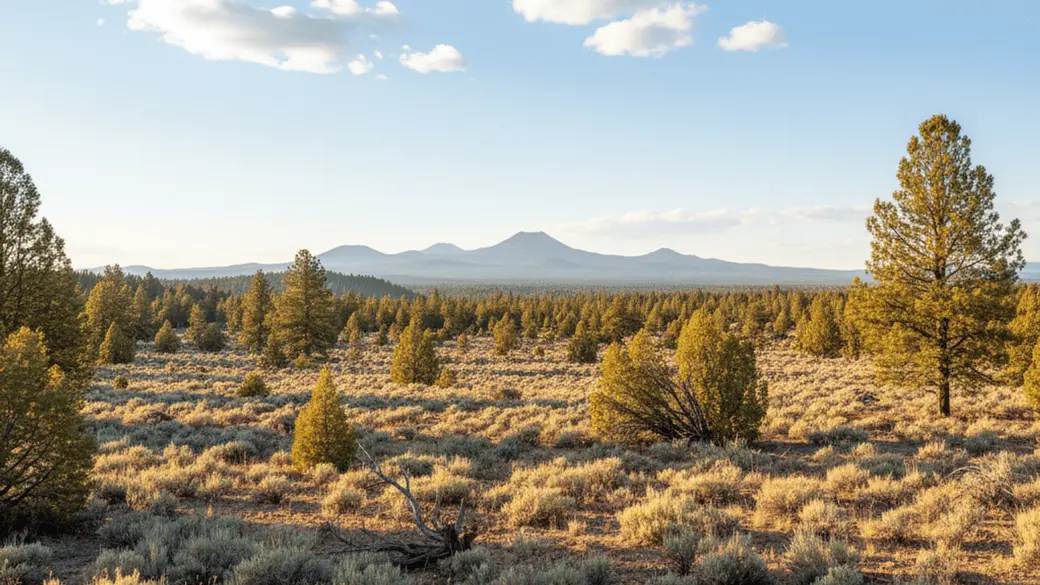
There is a trade-off, though. The constant rain in Portland creates emerald green forests and mossy lawns. In Bend, our landscape is High Desert. That means sagebrush, juniper trees, and ponderosa pines. The color palette here is gold, brown, and dusty green. If you love lush ferns, you might miss the rain. If you love blue skies, you won't look back.
Living the Outdoor Lifestyle in the Sun
The climate dictates the lifestyle here. Because we don't have the "soggy factor," outdoor recreation is year-round.
In the winter, you aren't skiing in freezing rain; you are often skiing in a t-shirt and sunglasses. This accessibility fuels the local economy and the Mount Bachelor culture. It is entirely possible—and common—to go skiing in the morning and play nine holes of golf in the afternoon during the spring months.
The dry climate also changes how you pack for adventures. You generally don't need heavy rain gear for hiking or mountain biking. However, you do need to manage hydration. The sweat evaporates so fast in the dry air that you often don't realize you are losing water. Carrying extra water and heavy-duty sunblock is mandatory, even for short trips.
Home & Garden: Adapting to the High Desert
Owning a home in this climate comes with a few specific maintenance quirks that are different from the coast.
- UV Damage: The high-altitude sun is relentless. It will fade hardwood floors, bleach siding, and crack outdoor furniture much faster than at sea level. Investing in UV-coated windows or high-quality blinds is smart.
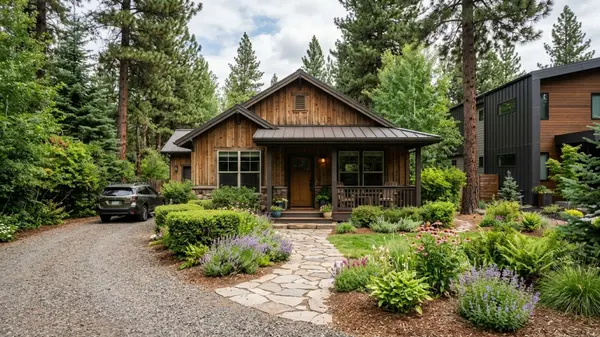
- Landscaping: You will hear the term "Xeriscaping" a lot. This means landscaping with drought-tolerant plants like native rye, lavender, and sage. Trying to keep a Kentucky Bluegrass lawn alive here is expensive and water-intensive.
- HVAC Systems: Because of that temperature swing, you need a system that can handle both extremes. Heat pumps are very popular here because they handle the moderate cooling needs of summer and the heating needs of winter efficiently.
- Ice Dams: While our roofs don't usually collapse under snow load like they might in the Sierras, we do get ice dams. This happens when the warm sun melts snow on the roof during the day, and it refreezes in the gutters at night. Good insulation and ventilation are key to preventing leaks.
Frequently Asked Questions About Bend Weather
Does Bend Oregon really have 300 days of sunshine?
It depends on how you count, but essentially, yes. While NOAA data shows about 158 perfectly clear days, if you include partly cloudy days (which are still bright), you get about 260 days of usable sun. It is significantly sunnier than anywhere west of the Cascades.
Is Bend Oregon humid or dry?
Bend is very dry. It is a high desert climate with low humidity year-round. This makes the summer heat feel much more manageable, but it also means you need to prioritize hydration and skin moisturizer.
How much snow does Bend Oregon get?
There is a big difference between "town" snow and "mountain" snow. Bend proper averages about 20 to 27 inches a year, which often melts quickly due to the sun. Mt. Bachelor, just 22 miles away, averages over 460 inches of snow at the summit.
Is it always cold in Bend due to the high desert?
Not at all. Summers are warm with highs consistently in the 80s. However, because of the elevation, the nights almost always cool down. Even on a hot day, you will likely want a jacket once the sun goes down.
Categories
Recent Posts