Redmond OR investment opportunity – 2025 Market Insight
Real Estate Investment Opportunities in Redmond, Oregon: A Local’s Guide to the 2025 Market
Is Redmond the Best Real Estate Bet in Central Oregon?
For years, Redmond was viewed merely as the affordable "bedroom community" serving its flashy neighbor to the south, Bend. But as we move into 2025, that narrative has completely shifted. Redmond has evolved into the "Hub of Central Oregon," boasting its own robust economic engine, critical infrastructure, and a housing market that stands on its own merits.
For investors, the appeal is often immediate when you look at the barrier to entry. While median home prices in Bend have climbed well north of $800,000, Redmond offers a much more accessible entry point, with median prices hovering closer to $580,000. That price gap is significant. It opens the door for cash-flow-focused investors who want a foothold in the high-growth Central Oregon market without the steep premium attached to a Bend zip code.
Redmond is consistently seeing annual population growth of around 4%, and it’s not just overflow traffic anymore. People are choosing Redmond for its practical lifestyle, community feel, and logistics. If you are looking for a market where the numbers still make sense for a traditional buy-and-hold strategy, this is where you should be looking.
Economic Drivers Fueling Housing Demand
When evaluating a market, appreciation is nice, but jobs are what pay the rent. Redmond’s economy is diversifying rapidly, moving well beyond tourism and into sectors that provide stable, year-round employment.
The city is anchoring itself as a center for manufacturing, healthcare, and aviation. The St. Charles Health System is a massive employer here, providing a steady stream of healthcare professionals who need quality housing. Additionally, companies like BASX Solutions and PCC Schlosser have expanded significantly, driving demand for workforce housing.
Infrastructure is another major indicator of future growth. The Redmond Municipal Airport (RDM) is undergoing expansion, and the Northern corridor is seeing new commercial developments. These aren't just "nice to have" additions; they signal long-term municipal investment. When industrial spaces expand, workforce housing needs rise in tandem. That is the gap that private investors can fill.
Redmond Rental Market Analysis: Rents & Vacancy
If you are a landlord, the numbers in Redmond are compelling. The most distinct feature of this market is how tight the inventory remains. We are seeing vacancy rates historically hover between 0.9% and 2% for quality rentals. In the rental world, that is effectively zero.
The tenant pool here is solid. You aren't just getting seasonal ski bums; you are getting young professionals, nurses, medical technicians, and long-term residents who want to stay in the school district. Because housing is in short supply, rent growth has been steady year-over-year.
Here is what the rental income typically looks like on the ground:
- 2-Bedroom Units: These generally command between $1,500 and $1,800 per month.
- 3-Bedroom Single-Family Homes: These are in high demand and can rent for $2,200 or more depending on the neighborhood and finishes.
Best Neighborhoods for Investment Property
Not every street in Redmond performs the same. Depending on your strategy—whether you want a turnkey property or a value-add project—different zones will offer different returns.
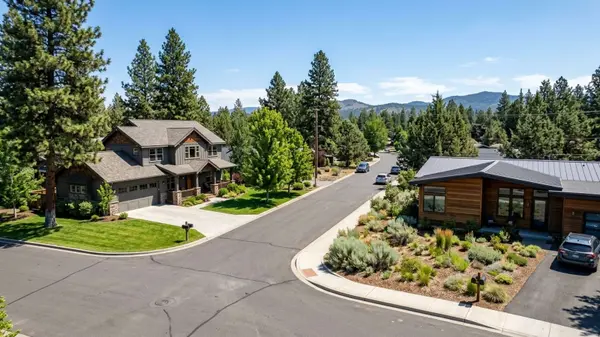
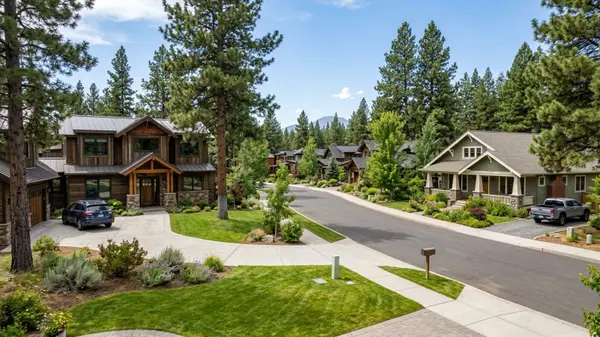
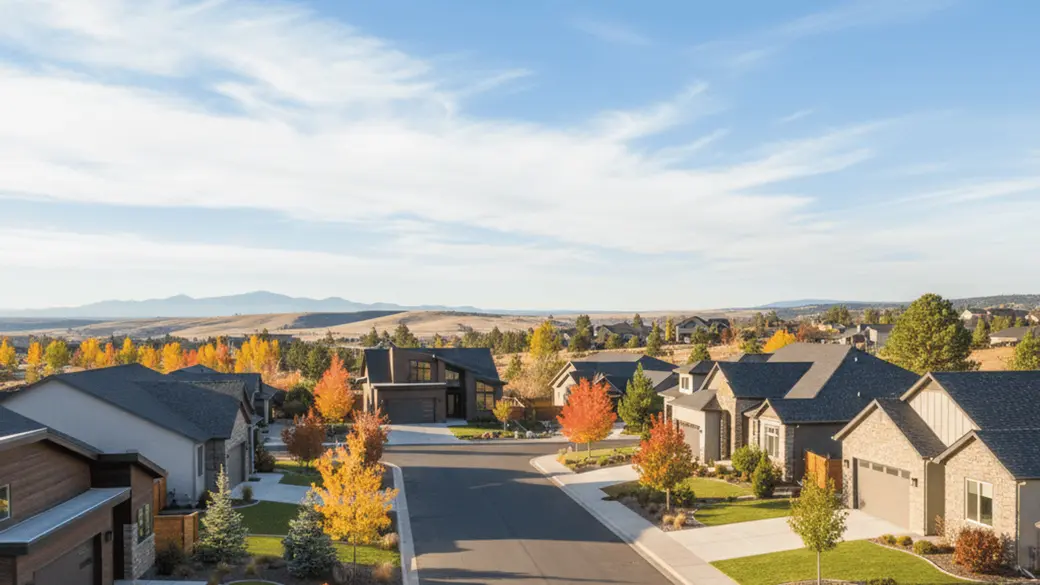
Canyon Rim Village This area is a favorite for investors who want a "set it and forget it" asset. The homes here are newer construction, meaning maintenance costs are generally lower in the first few years. It attracts stable, long-term tenants who appreciate the tidy aesthetic and proximity to parks.
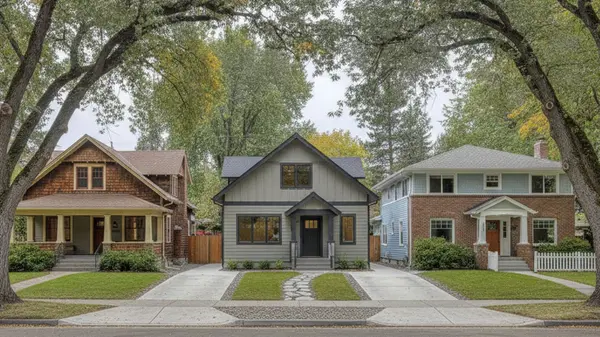
Southwest Redmond If you are looking to force appreciation through renovation, look here. This part of town features established neighborhoods with larger lots. The homes are older, but the "bones" are good. It is a prime area for investors willing to put in some work to modernize a property and bump up the rental value.
NW Redmond / Dry Canyon Walkability is a huge selling point for tenants. Properties near the Dry Canyon trail system or within walking distance of downtown amenities are always in high demand. Tenants here pay a premium for the lifestyle access—being able to walk the dog on the trail or grab a coffee without driving is a major perk.
Obsidian Trails This is an up-and-coming area with new inventory. For investors seeking turnkey properties who want to avoid the headaches of deferred maintenance found in older homes, this neighborhood is worth watching.
Choosing Your Strategy: Long-Term vs. Short-Term Rentals
Once you have picked a property, you need to decide how to operate it. In Redmond, the divide between long-term leasing and short-term hosting is sharp, mostly due to regulations.
Long-Term Rentals (LTR) This is currently the safest and most consistent bet in Redmond. Because the local workforce is growing and inventory is tight, finding a qualified tenant for a 12-month lease is rarely difficult. Vacancy risk is minimal, and management is straightforward.
Multifamily Investments Small multiplexes—duplexes, triplexes, and fourplexes—are absolute gold dust here. They don't hit the market often, but when they do, they are highly competitive. Cap rates for these properties typically sit around the 5.0% range. If you can secure a duplex, you generally have a very resilient asset.
Crucial Regulation: Short-Term Rental Rules in Redmond
If you are thinking about Airbnb or VRBO, you need to tread carefully. Redmond is not a "wild west" market for short-term rentals (STRs).
- Zoning Restrictions: This is the big one. STRs are generally not allowed in multifamily complexes. If you buy a duplex thinking you will Airbnb both sides, you are out of luck.
- Permits & Licensing: You must obtain a city business license and a specific STR permit.
- One Per Property: Typically, you are limited to one STR per property. You cannot rent out a main house and an ADU separately as two different short-term rentals.
- Taxes: Be prepared to remit a transient lodging tax of approximately 9%.
While STRs can be profitable—occupancy usually averages 50-60% with peaks in summer and winter—the regulatory hurdles make them a more complex strategy than traditional leasing.
Redmond vs. Bend: Investment Comparison
The most common question I get is whether to buy here or in Bend. When comparing investing in Bend real estate versus Redmond, it comes down to your capital and your goals.
Entry Price Redmond is roughly 30% cheaper to enter than Bend. That lower purchase price means your down payment goes further, and your mortgage is lower, which directly impacts your monthly bottom line.
Cash Flow vs. Appreciation Bend is primarily an appreciation play; you buy there hoping the luxury market keeps climbing, even if you break even or lose a little cash monthly. Redmond is where you go for cash flow. Because rents are comparable to Bend but purchase prices are lower, the math for positive monthly cash flow is much easier to balance in Redmond.
Lifestyle and Tenant Base Bend is driven by tourism, nightlife, and outdoor recreation. Redmond offers a quieter, community-oriented lifestyle. It appeals to tenants who want practicality—easy grocery runs, less traffic, and good schools—without the tourist crowds.
Frequently Asked Questions
Is Redmond, Oregon a good place to invest in real estate?
Yes, for most investors, Redmond offers a balanced mix of affordability and growth. With a strong local economy independent of Bend and historically low vacancy rates, it provides a stable environment for buy-and-hold strategies.
What are the rules for Airbnb in Redmond, OR?
Redmond has strict regulations, including a requirement for business licenses and STR permits. Most notably, short-term rentals are generally prohibited in multifamily zones (duplexes and apartments), so investors must verify zoning before purchasing for this purpose.
How does the cost of living in Redmond compare to Bend?
Redmond is significantly more affordable, particularly regarding housing costs. This affordability attracts a stable tenant base of workers who are employed in the region but priced out of the Bend market.
What is the average rental vacancy rate in Redmond?
The market is tight, with vacancy rates often hovering between 0.9% and 2%. This low availability gives landlords strong pricing power and reduces the risk of properties sitting empty for long periods.
Final Verdict: Is Redmond Right for Your Portfolio?
If you are an investor looking for stability and steady appreciation rather than the volatility of high-stakes luxury flips, Redmond is a strong contender for 2025. The economic fundamentals—jobs, infrastructure, and population growth—are all pointing in the right direction.
While the days of finding "dirt cheap" properties in Central Oregon are gone, Redmond represents the sweet spot of value and potential. The next logical step is to dig into the specific numbers. I recommend consulting with a broker or a specialist in central Oregon property management to run a pro forma on current listings and see exactly how a Redmond asset could perform for you.
Categories
Recent Posts