
Fall home and garden tips: 2025 Guide
Fall Home and Garden Tips: The Ultimate Seasonal Checklist
There is something undeniably crisp about the air when autumn rolls around. Even if you aren't seeing dramatic foliage changes right outside your window, the shift in seasons is the universal signal that it’s time to pay attention to your property.
I tell my clients all the time: your home is likely your biggest financial asset, and preventive maintenance is the best insurance policy you can buy. Fall isn't just about pumpkins and sweaters; it’s the critical window to secure your home’s "envelope" before the weather turns harsh. Whether you are dealing with a deep freeze or just a wetter, cooler season, taking a weekend to tackle these tasks now can save you from frantic, expensive emergency repairs—like burst pipes or roof leaks—down the road. Plus, a little effort now keeps your curb appeal sharp even as the garden goes dormant.
Let’s grab a coffee and walk through exactly what needs to be done to keep your home safe, efficient, and looking great.
Exterior Home Maintenance: Protecting the Shell
Think of your home’s exterior like a raincoat. If there are holes in it, you’re going to get wet eventually. The goal here is to tighten up the building envelope to keep moisture out and heat in.
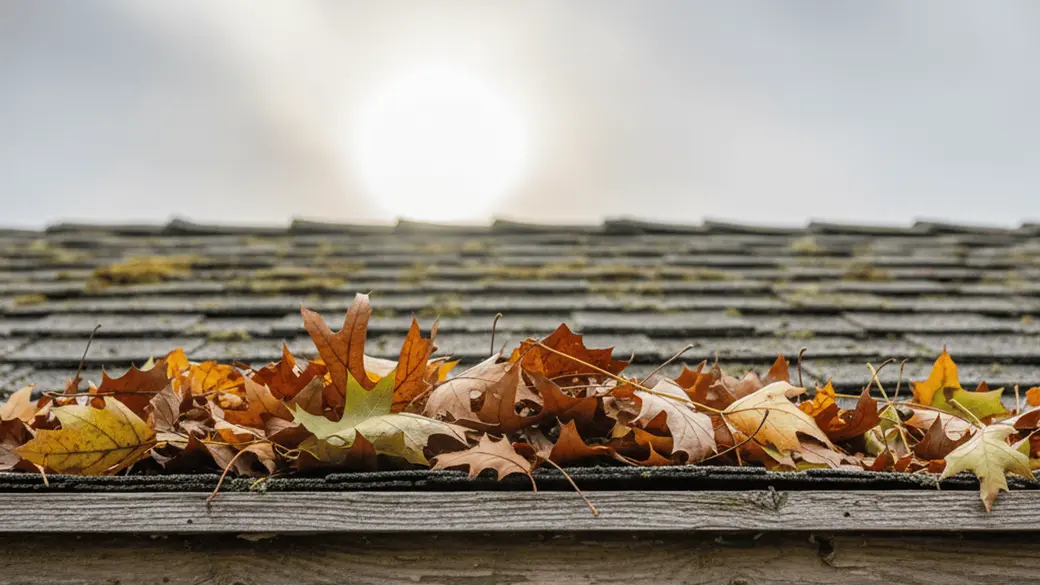
Inspect the Roof and Gutters Start at the top. You don't necessarily need to climb up there yourself, but you do need to eyeball your roof for loose shingles or damaged flashing. These are the weak points where water loves to intrude. Once the leaves have finished falling, cleaning your gutters is non-negotiable. If gutters are clogged, water can back up and freeze, leading to ice dams that tear up your roof or cause water to seep into your foundation. If you aren't comfortable on a ladder, hiring a pro for gutter cleaning tips and execution is money well spent.
Winterize Outdoor Plumbing Water expands when it freezes, which is a disaster for plumbing. Make sure to disconnect and drain all garden hoses. If you have interior shut-off valves for your outdoor faucets, turn them off and open the outdoor spigot to drain any remaining water. For those with in-ground irrigation, now is the time to blow out the sprinkler system to prevent underground lines from cracking.
Seal the Gaps Drafts are just money flying out the window. Take a walk around your house with a caulk gun and check the seals around windows and door frames. If you can see daylight or feel a breeze, replace the weatherstripping or add fresh caulk. It’s worth the effort—properly sealing air leaks can reduce your heating costs by up to 15%.
Furniture and Deck Care Finally, don't let your patio gear suffer. Clean and store your outdoor furniture and grills. If you have limited storage, high-quality covers can work, but moving them into a shed or garage is best to prevent rust and mold.
Fall Lawn Care for a Lush Spring
A common misconception is that lawns stop needing care once summer ends. In reality, fall is the most important season for establishing a great lawn for next year.
Manage those Leaves A thick, wet mat of leaves is a suffocating blanket for your grass. You have two choices: rake them up or mulch them. If you have a mower with a mulching setting, running over dry leaves can chop them into tiny pieces that break down and return nutrients to the soil. If the layer is too thick, rake it up to prevent fungal diseases.
Aeration and Feeding Over the summer, soil gets compacted from foot traffic and mowing. Fall is the ideal time to aerate, which pulls small plugs of soil out of the ground to let oxygen and water reach the roots. Follow this up with a fall-specific fertilizer. These blends are usually higher in potassium to help strengthen the roots for winter survival rather than pushing for rapid green growth.
The Final Cut Keep mowing as long as the grass is growing. However, for the last couple of cuts of the season, raise your mower blade. You want to leave the grass slightly longer to protect the crown of the plant from extreme cold, but not so long that it mats down under snow.
Garden Bed Cleanup and Winter Prep
Your garden beds need to be put to bed properly if you want a vibrant showing when purchasing PGA Village homes for sale or just updating your current landscape.
Planting for the Future If you love tulips and daffodils, now is the time to get those bulbs in the ground before it freezes. The general rule is to plant when night temperatures start hovering between 40-50°F.
Cleanup Strategy Pull out spent annuals and vegetable plants. Leaving dead plant matter in the garden over winter is an open invitation for pests and diseases to overwinter and return with a vengeance in spring. For perennials, it depends on the plant. Cut back things that turn into mush after a frost, like hostas. However, consider leaving plants with sturdy seed heads, like coneflowers or sedum, standing. They provide winter interest and essential food for birds.
Mulch and Tender Bulbs Once the ground cools down, apply a fresh layer of mulch. This isn't just for looks; it acts as insulation, keeping the soil temperature stable so plant roots don't heave out of the ground during freeze-thaw cycles. If you live in a colder zone and have tender bulbs like dahlias or cannas, you'll need to dig them up and store them indoors in a cool, dry place.
Interior Updates for Comfort and Safety
While the exterior is about protection, the interior is about safety and efficiency.
Heating Systems Before you need to crank the heat on the first freezing night, schedule a professional HVAC tune-up. It’s much easier to fix a glitch now than when the repair companies are booked solid in January. At a minimum, change your furnace filters to keep the air flowing efficiently.
Fireplace Safety If you have a wood-burning fireplace, inspect the chimney. Creosote buildup is a real fire hazard. If you use it frequently, a professional sweep is a smart safety move.
Safety Alarms and Vents This is the classic time to test your smoke and carbon monoxide detectors and swap out the batteries. While you are at it, check your dryer vent. Winter air is dry, and lint buildup combined with static electricity is a fire risk. A clean vent also helps your dryer run more efficiently.
Ceiling Fans Here is a small trick that costs nothing: reverse your ceiling fans. There is usually a small switch on the housing. detailed. By setting them to run clockwise at a low speed, you gently push the warm air that rises to the ceiling back down into the living space.
Essential Tools for Fall Cleanup
You don't need a hardware store in your garage, but a few key tools make this work much faster.
- Leaf Management: A sturdy rake is essential, but a leaf blower can save hours of back-breaking work. Have tarps ready for dragging piles to the curb or compost.
- Garden Prep: sharp bypass pruning shears for clean cuts on live plants, and loppers for thicker branches. Don't forget a good pair of gloves.
- Maintenance Gear: A caulk gun for sealing gaps and a ladder with a stabilizer for gutter work.
- Storage Prep: Remember to service your tools before putting them away. Sharpen blades and drain the gas from mowers to prevent carburetor gunk.
Regional Considerations: Cold vs. Mild Climates
Real estate varies by zip code, and so does maintenance. The advice changes drastically depending on whether you are looking at living in Port St. Lucie or managing a property in New England.
Cold Climates (Freezing Zones) If you are in the north, your priority is preventing freeze damage. You must drain pipes, apply heavy mulch, and perhaps even wrap sensitive shrubs in burlap to protect them from windburn and salt spray. Your timeline is dictated by the first hard frost—get everything done before the ground freezes solid.
Mild Climates (Non-Freezing Zones) For those in warmer areas, like many Port St. Lucie golf communities, "fall" is more of a relief than a shutdown. You might be planting cool-season annuals (pansies, snapdragons) now rather than cleaning them up. You won't need to winterize pipes as aggressively, but you should still check for drafts. If the autumn is dry, keep watering—your plants are still active.
Your Ultimate Fall Home and Garden Checklist
Here is a quick breakdown you can screenshot to keep yourself on track.
Exterior
- Inspect roof and flashing.
- Clean gutters and downspouts.
- Shut off and drain outdoor faucets/irrigation.
- Seal gaps around windows and doors.
Lawn & Garden
- Rake or mulch fallen leaves.
- Aerate and fertilize the lawn.
- Plant spring bulbs and remove dead annuals.
- Cut back mushy perennials; mulch beds.
Interior
- Service the furnace/HVAC.
- Check fireplace and sweep chimney.
- Test smoke/CO detectors.
- Reverse ceiling fans (clockwise).
Tools
- Clean, sharpen, and store garden tools.
- Drain gas from power equipment.
Frequently Asked Questions
When should I start my fall garden cleanup?
You generally want to wait until the first light frost hits or when perennials start to die back naturally. However, try to finish planting bulbs and sensitive tasks before the ground freezes completely.
Is it better to rake leaves or mulch them?
If you have a mulching mower, mulching is usually better because it returns valuable organic matter and nitrogen to the soil. However, if the leaf layer is thick and wet, rake it up to prevent it from smothering the grass.
What plants should I not prune in the fall?
Avoid pruning spring-blooming shrubs like lilacs, azaleas, and forsythias in the fall. These plants have already set their buds for next year, so pruning them now means cutting off next spring’s flowers.
How do I keep my house warm without turning up the heat?
Focus on sealing drafts around windows and doors with caulk or weatherstripping. You can also open curtains on south-facing windows during the day to let sunlight in and close them at night to insulate against the cold.
Do I really need to clean my gutters before winter?
Yes, absolutely. Clogged gutters trap water that can freeze, creating heavy ice dams that damage your roof, gutters, and potentially allow water to leak into your home’s walls or foundation.
Categories
Recent Posts