Bend Oregon Relocation Guide: Move-In Insights
Why Everyone is Talking About Bend, Oregon
If you have been hearing a lot of buzz about Central Oregon lately, you aren’t alone. Bend has transformed from a quiet mill town into a premier destination that seems to be on everyone's radar. The secret is definitely out—people are drawn here by that unique blend of high-desert beauty, instant access to the mountains, and a small-city vibe that still feels approachable.
However, with that popularity comes some serious growth. We have crossed the 100,000 resident mark, and the city is rapidly shifting from a hidden gem to a bustling hub for tech, remote work, and tourism. Moving here is a dream for many, but it requires some solid planning. This guide is designed to walk you through the practicalities—from the real cost of housing to the logistics of getting settled—so you can decide if the Bend lifestyle is the right fit for your next chapter.
Cost of Living: What to Budget
Let’s get the hard numbers out of the way first. Living in paradise comes with a price tag, often locally referred to as the "Sunshine Tax." Generally speaking, the cost of living in Bend sits about 12% to 22% higher than the national average, depending on whose data you are looking at. The primary driver of this isn't your grocery bill or your power bill—it is almost entirely housing.
While housing costs are steep, other expenses tend to be more moderate. Utilities and transportation are rising but generally manageable compared to major metros on the West Coast. Plus, there is one massive financial perk to living here: Oregon has no state sales tax. That 0% tax on everything from cars to coffee helps offset some of the sticker shock you might feel when looking at home prices.
- Housing: Significantly above national averages; the biggest line item in your budget.
- Daily Expenses: Gas and groceries can be slightly higher due to our geographic isolation from major distribution hubs.
- Taxes: No sales tax is a huge win, though property taxes and income taxes are the trade-off.
Navigating the Bend Real Estate Market
The real estate market here moves fast, and inventory has been tight for years. Whether you are looking for homes for sale in Bend or a rental, you need to be prepared for competition. Demand remains high, driven not just by retirees but also by a wave of remote workers seeking a better quality of life.
For many newcomers, renting first is a smart strategy. It gives you six months to a year to learn the lay of the land before committing to a purchase. Just know that both buying and renting require a healthy budget.
To give you a realistic idea of the market right now:
- Buying: The median home sold price currently hovers between $720,000 and $790,000.
- Renting: You should budget around $2,300 per month for an average rental, though this varies by location and size.
Best Neighborhoods and Districts
Understanding the geography of Bend is crucial before you start browsing listings. The town is split down the middle by Highway 97 and the Deschutes River, creating a distinct "Eastside vs. Westside" dynamic.
The Westside is what you typically see on postcards. It is close to the hiking trails, the river, and the walkable downtown core. Because of this, prices here are at a premium. The Eastside, on the other hand, is where the city is growing. It offers more affordable housing options, larger lots, and an increasing number of its own amenities, making it a very practical choice for many buyers. Then you have the Old Mill District and Downtown, which offer a more urban, condo-heavy lifestyle for those who want to be in the center of the action.
Spotlight on Key Areas
If you are trying to narrow down best neighborhoods in Bend Oregon, here is a quick look at a few distinct areas to help you find your vibe.
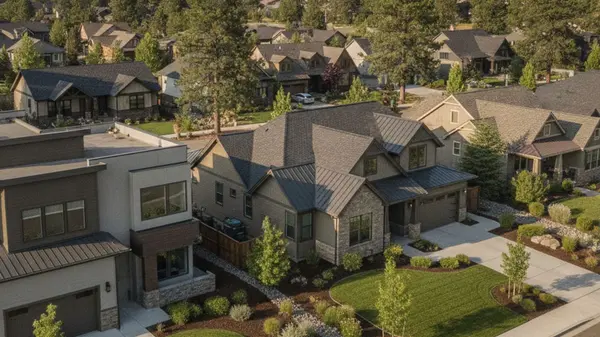
Northwest Crossing (NWX): This is a master-planned community that feels like its own village. It is incredibly walkable with its own restaurants and shops. The Saturday farmers market here is a huge community anchor. Expect newer construction and a higher price tag to match the convenience.
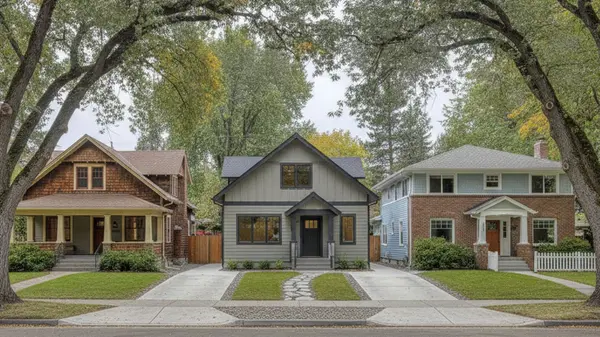
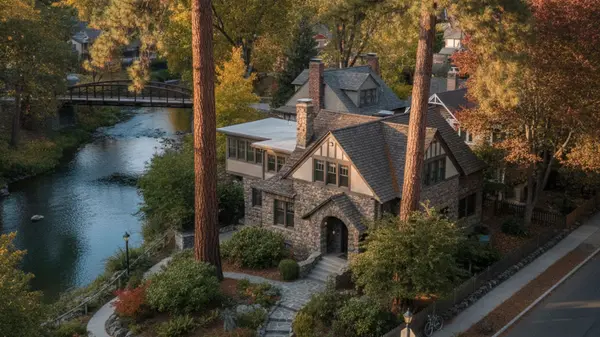
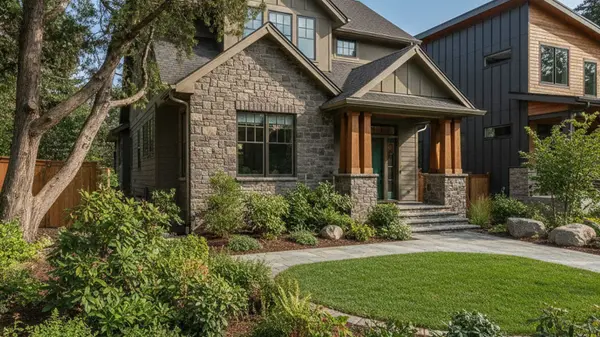
Old Bend/River West: If you love historic charm, this is the spot. You will find older bungalows, established trees, and easy access to the river. It is widely considered one of the most desirable areas because you can often walk to downtown.
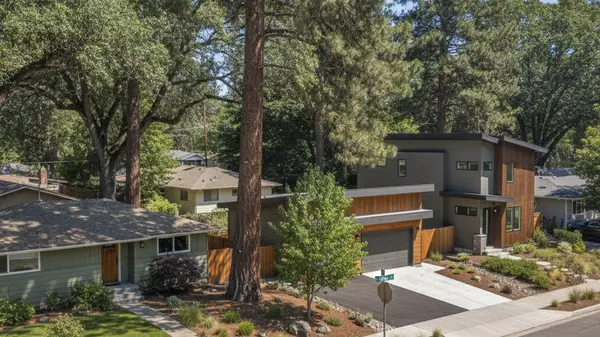
Orchard District/Midtown: This area is centrally located, offering a mix of original cottages and new infill housing. It is a great middle-ground option that offers accessibility without the extreme premiums of the Westside.
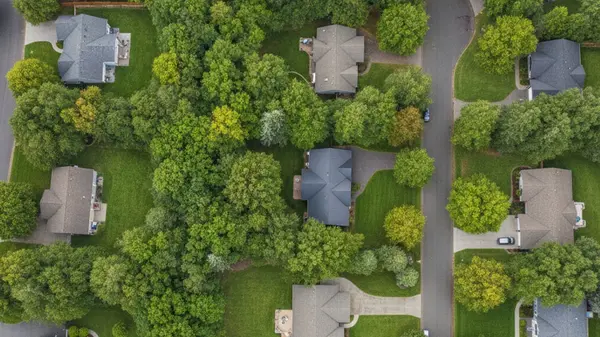
Larkspur/Southeast: This is a quieter section of town, home to the Bend Senior Center and plenty of parks. If you are looking for a bit more space and a slower pace, this is a strong contender.
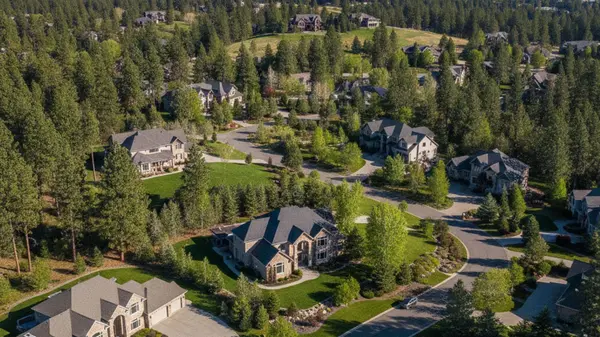
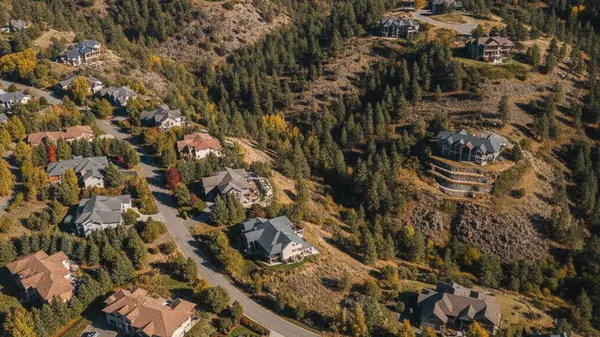
Awbrey Butte: Visible from almost anywhere in town, the Butte is known for luxury homes, winding roads, and sweeping views of the Cascades. You won’t find many sidewalks here, but you will find privacy and elevation.
Job Market and Economy
Bend is no longer just a ski town; it has become a legitimate economic hub for Central Oregon. While tourism and hospitality remain huge drivers—especially given the seasonal influx of visitors—the economy has diversified significantly. The healthcare sector is a massive employer, anchored by the St. Charles Health System.
We are also seeing a booming tech and startup scene. In fact, Bend is often called a "Zoom town" because of the high concentration of remote workers who brought their jobs with them. If you work remotely, you will find excellent connectivity and plenty of co-working spaces to get you out of the house.
- Top Employers: St. Charles Health System, Bend-La Pine Schools, and Mt. Bachelor.
- Key Industries: Healthcare, brewing/bioscience, and outdoor recreation gear.
- Unemployment: generally mirrors or dips slightly below national trends.
Education and Schools
If you are moving with students, you will be part of the Bend-La Pine School District. It is a large district geographically, serving over 17,000 students across a mix of urban and rural zones. The district is known for having a wide variety of options, including magnet schools and charter programs that focus on specific learning styles or curriculums.
For higher education, the city is home to the growing OSU-Cascades campus, which brings a university energy to the west side of town. Central Oregon Community College (COCC) is also a major fixture, situated on a hill with some of the best views in the city, offering both two-year degrees and community enrichment classes.
Climate: The High Desert Reality
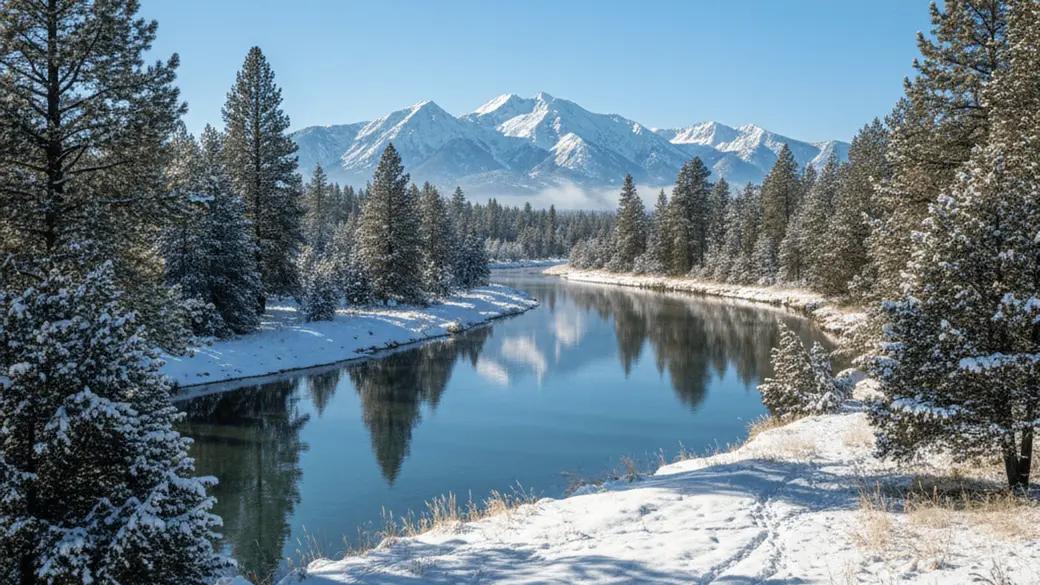
One of the biggest misconceptions about moving here is the weather. People hear "Oregon" and think of endless rain. That is true for the coast and Portland, but here in the high desert, it is a different story. We sit at an elevation of roughly 3,623 feet, which means our climate is semi-arid.
You will get four true seasons here. Summers are glorious with warm days and cool nights—that "dry heat" really does make a difference. However, you need to be prepared for winter. We are a ski town, after all. Snow is common, and roads can stay icy, so winter driving skills are a must.
- Sunshine: We get approximately 300 days of sunshine a year.
- Wildfire Smoke: Residents have to deal with "smoke season," typically in late summer (August/September), when wildfire smoke can settle in the valley and impact air quality.
- Precipitation: Annual rainfall is low; it is dry enough that you will need plenty of moisturizer.
Lifestyle: The Outdoor Playground
Let's be honest, the outdoor activities in Bend are probably the main reason you are reading this guide. The access to recreation here is world-class. In the winter, locals flock to Mt. Bachelor, which is only about 20 to 30 minutes from town, for skiing and snowboarding. If you prefer a slower pace, snowshoeing trails abound.
Come summer, the energy shifts to the water and the trails. "Floating the river" is practically a rite of passage here—you will see the Deschutes River filled with colorful tubes and paddleboards on any given hot day. For land lovers, there are hundreds of miles of single-track for mountain biking (Phil’s Trail is legendary) and endless hiking options like Tumalo Falls or a quick sunset hike up Pilot Butte. It is also an incredibly dog-friendly city; from brewery patios to parks, your four-legged friends are welcome almost everywhere.
Dining, Breweries, and Culture
You might come for the mountains, but you will stay for the beer. Bend has one of the highest numbers of breweries per capita in the country. The Bend Ale Trail is a fun way to explore staples like Deschutes Brewery, 10 Barrel, and Crux Fermentation Project.
The food scene has evolved well beyond pub grub, largely thanks to our food cart culture. Pods like The Lot or Midtown Yacht Club are community gathering spots where you can grab anything from sushi to tacos while sitting around a fire pit. Culturally, the city punches above its weight with concerts at the Hayden Homes Amphitheater, which draws big-name acts, and local traditions like WinterFest and the Summer Festival.
Healthcare and Wellness
As the regional hub for Central Oregon, Bend offers robust medical services. St. Charles Bend is a Level 2 Trauma Center and the largest hospital in the region. Because of the active lifestyle here, you will also find a very high concentration of physical therapists, orthopedists, and wellness practitioners.
However, it is important to note that the rapid population growth has put a strain on availability. Finding a primary care physician or a specialist can sometimes take weeks or months. If you are relocating, it is smart to start the process of establishing care as soon as you know your move date.
Transportation and Getting Around
While Bend is becoming more bike-friendly—especially with the explosion of e-bikes—it is still primarily a car-dependent city. Public transit is provided by Cascades East Transit, and while it is improving, most residents rely on their own vehicles to get to work and the mountain.
If you are a cyclist, you will love the bike lanes and paths, but winter riding does require fat tires or studded tires. For travel outside the region, Redmond Municipal Airport (RDM) is a breeze. It is only about 20 minutes north and offers great connections to major hubs like Denver, Seattle, and San Francisco without the hassle of a massive international airport.
Pros and Cons of Relocating
Making a move is a big decision, so let’s summarize the trade-offs of living in Bend pros and cons.
Pros:
- Unbeatable access to nature and outdoor recreation.
- A small-town community feel with big-city amenities.
- No state sales tax stretches your purchasing power.
- Incredible beer and food cart culture.
- Clean water and fresh air (outside of fire season).
Cons:
- High cost of housing and a competitive market.
- Wildfire smoke can ruin outdoor plans for weeks at a time.
- Geographic isolation—it is a three-hour drive to the nearest major metro (Portland).
- Traffic is growing, and infrastructure is playing catch-up.
Your Relocation Checklist
If you are ready to take the plunge, here is a quick list to keep you on track.
- Secure Housing Early: Do not wait until you arrive. The market moves too fast.
- Winter Prep: Ensure your vehicle has good traction tires or carry chains. You will need them.
- DMV Updates: Oregon requires you to register your vehicle and update your license fairly quickly after moving.
- Get Connected: Join local online community groups. They are great for asking specific questions about neighborhoods or finding a plumber.
FAQ: Living in Bend, Oregon
Is it expensive to live in Bend, Oregon?
Yes, living here is generally more expensive than the national average, primarily due to housing costs. While you save money with no sales tax, you should expect to pay a premium for housing, with median home prices sitting between $720,000 and $790,000.
What is the best area to live in Bend?
This really depends on your lifestyle and budget. The Westside is ideal if you want walkability and proximity to trails, but it is the most expensive; the Eastside offers better value, larger lots, and is quickly developing its own amenities.
Does Bend Oregon get a lot of snow?
Yes, Bend is a high-desert ski town, so snow is a regular part of winter. While it doesn't usually accumulate to massive depths in the city center compared to the mountains, you will definitely experience snow and icy roads from late fall through spring.
What is the main industry in Bend Oregon?
Healthcare is the largest employment sector, led by the St. Charles Health System. However, tourism, hospitality, and a rapidly growing tech and remote-work sector are also major pillars of the local economy.
Is Bend Oregon a good place to retire?
Bend is a very popular retirement destination due to its active lifestyle, high number of sunny days, and lack of tax on Social Security benefits. However, retirees should carefully consider the rising cost of living and the availability of healthcare providers before moving.
Categories
Recent Posts